Greek military junta's 1967 coup and the Polytechnic uprising
The 1967 military dictatorship marked a critical turning point in postwar Greek history, ending in the 1973 Polytechnic uprising.
KEY POINTS
- The military junta was imposed in Greece on April 21, 1967, with American-NATO backing.
- The regime carried out mass arrests, torture, imprisonment, exile, and harsh censorship against left-wing citizens.
- Thousands of leftists from EDA and Lambrakis Youth were exiled to Gyaros and tortured at Bouboulinas barracks.
- Popular resistance began with proclamations and slogans and later included bombs and an assassination attempt on Papadopoulos by Alexandros Panagoulis.
- The Polytechnic uprising was the culmination of popular resistance against the dictatorship.
A group of colonels imposed a military dictatorship in Greece on April 21, 1967, with the backing of American-NATO imperialists, according to Efsyn. The coup sought to halt the radical popular movement of the 1960s that demanded real democracy, social justice, and cultural rebirth. The regime also served the geopolitical plans of its backers in anticipation of the looming conflict in the Middle East, which erupted in June 1967 with the Six-Day War between Israel and Egypt.
From the first day, the junta carried out mass arrests, mainly of left-wing citizens, essentially communists because the Communist Party of Greece was illegal. The crackdown included persecution, arrests, torture, imprisonment, exile, and harsh censorship. Thousands of left-wing fighters from EDA and the Lambrakis Youth, along with other leftist organizations and democratic bodies, were arrested and exiled to Gyaros, while many were tortured at the Bouboulinas barracks.
“The Polytechnic uprising was a heroic act of resistance by Greek student youth and the Greek people.”
The junta established a regime of "absolute tomb silence" over society. Fundamental political rights and freedoms were trampled, and popular gatherings were banned. The April dictators Papadopoulos, Pattakos, and Makarezos self-proclaimed an "official state." Popular resistance began from the first days of the junta with simple forms such as proclamations and slogans, later taking a more dynamic character.
Resistance actions included bombs and even an assassination attempt against dictator Papadopoulos by Alexandros Panagoulis. The Polytechnic uprising stood as the culmination of popular resistance. The 1967 dictatorship constituted a crucial turning point in the country's postwar history, while the Polytechnic revolt was a heroic act of resistance by Greek student youth and the Greek people.
5 more sources below
COMMENTS (0)
No comments yet. Be the first.
RELATED STORIES
Quad Leaders to Meet in Manila Before Trump-Xi-Putin Summit
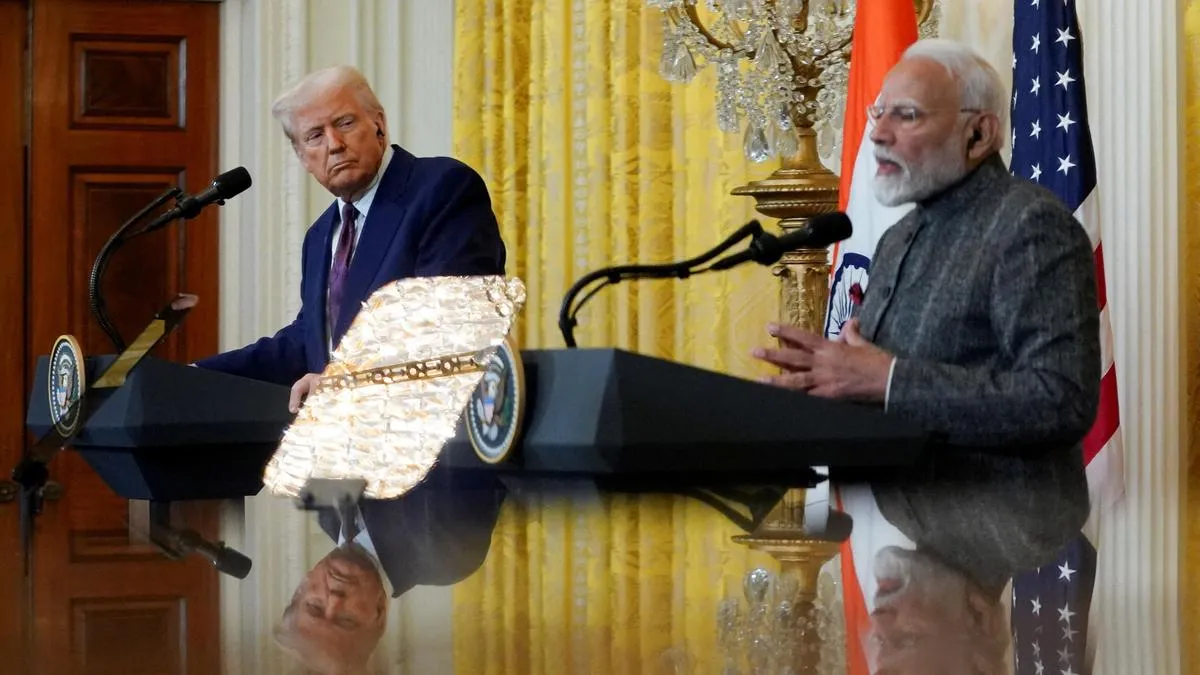
Quad leaders will gather in Manila on November 17 ahead of a historic trilateral meeting between the United States, China, and Russia in Shenzhen.
Cornell to review Greek life after gang-rape allegations
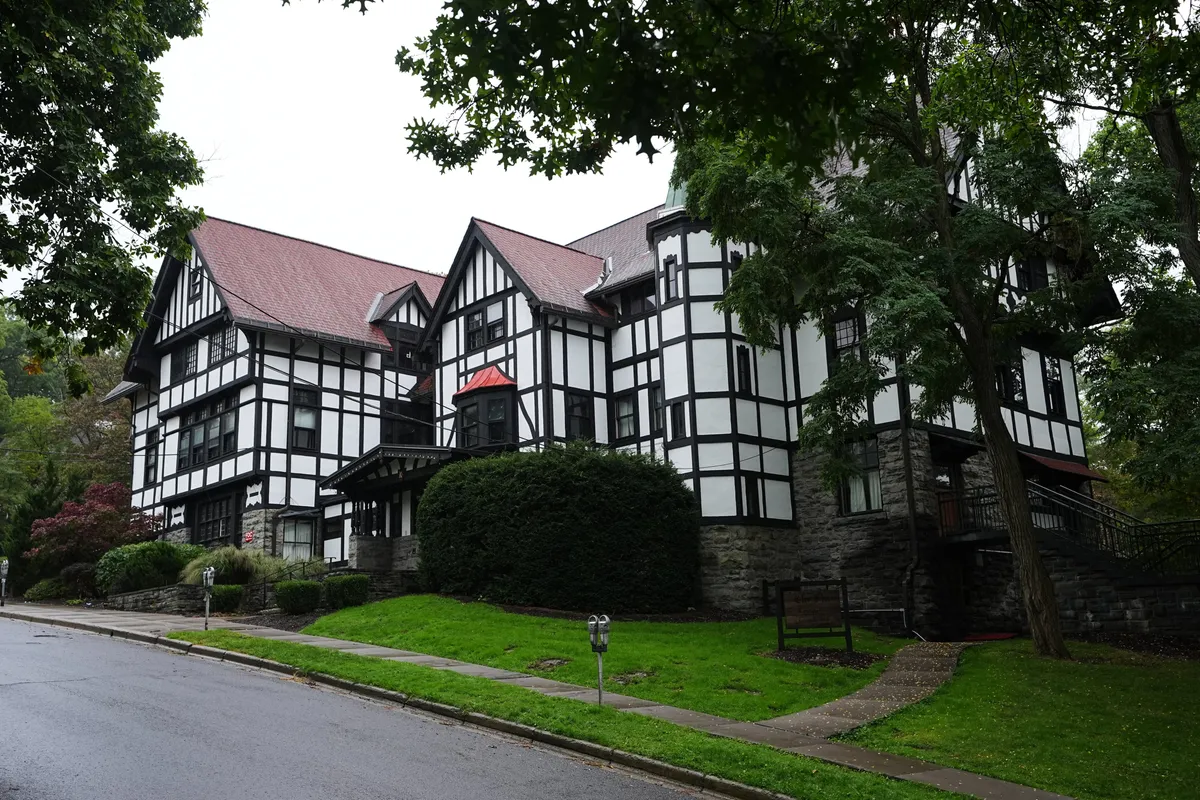
Cornell University will review its fraternity and sorority system following a lawsuit over an alleged 2024 gang rape at a fraternity house.
Cambodia urges border demarcation with Thailand at Francophonie Summit
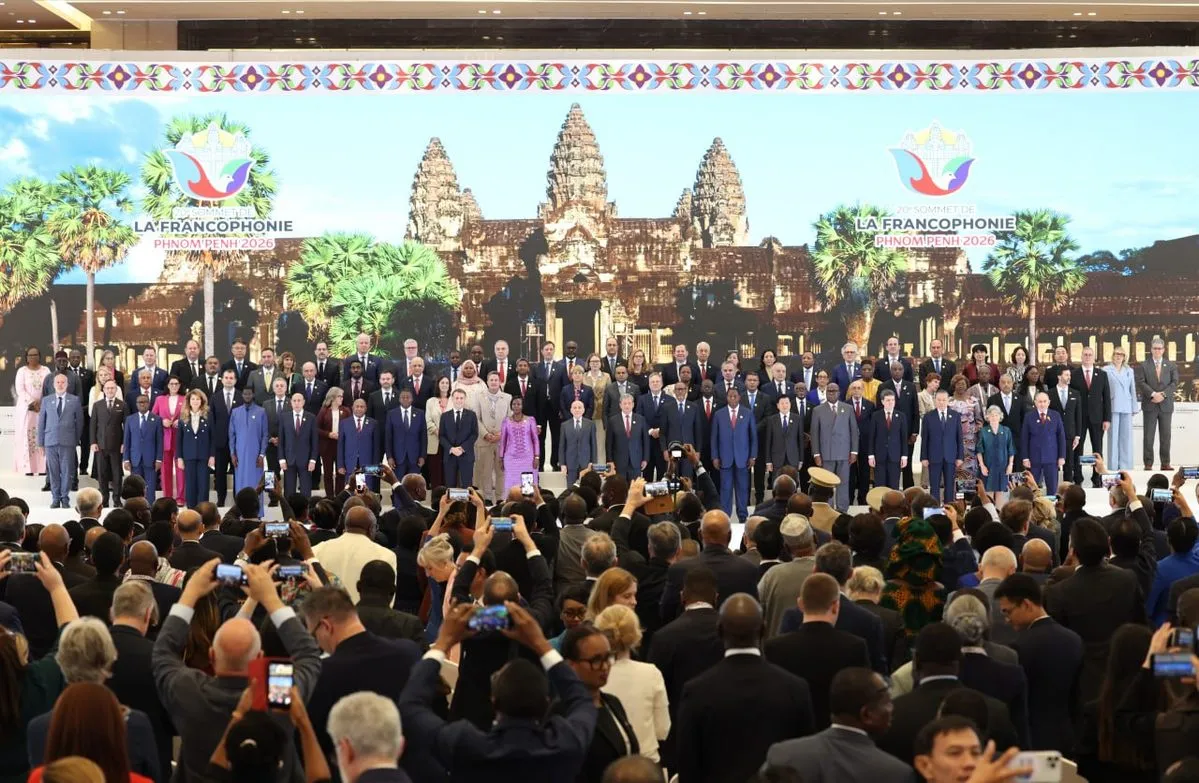
Prime Minister Hun Manet called for joint border surveys to resume and for displaced Cambodians to return home safely.
- Spain rail strike set for November 17 with minimum service levels
- Costa Rica condemns journalist Camilo Rodriguez murder amid political dispute
- US Army Major Files Whistleblower Complaint Over Kuwait Strike That Killed Six
- Xi-Trump APEC Meeting in Shenzhen Expected to Overshadow Taiwan Issue
- Nepal seeks billions for climate disaster fund at COP31 summit in Turkey
This page was compiled with AI assistance from the outlets named above and passed an automated language check before publication. Montegre has no reporters of its own; the byline names the outlets the story was compiled from. Method and editorial standards