Iran Used 5,000 Shell Companies to Import $2.3 Billion in Military Goods Despite Sanctions
A Reuters investigation reveals how Tehran maintained missile and drone supplies through a hidden network of agencies while under US strikes and sanctions.
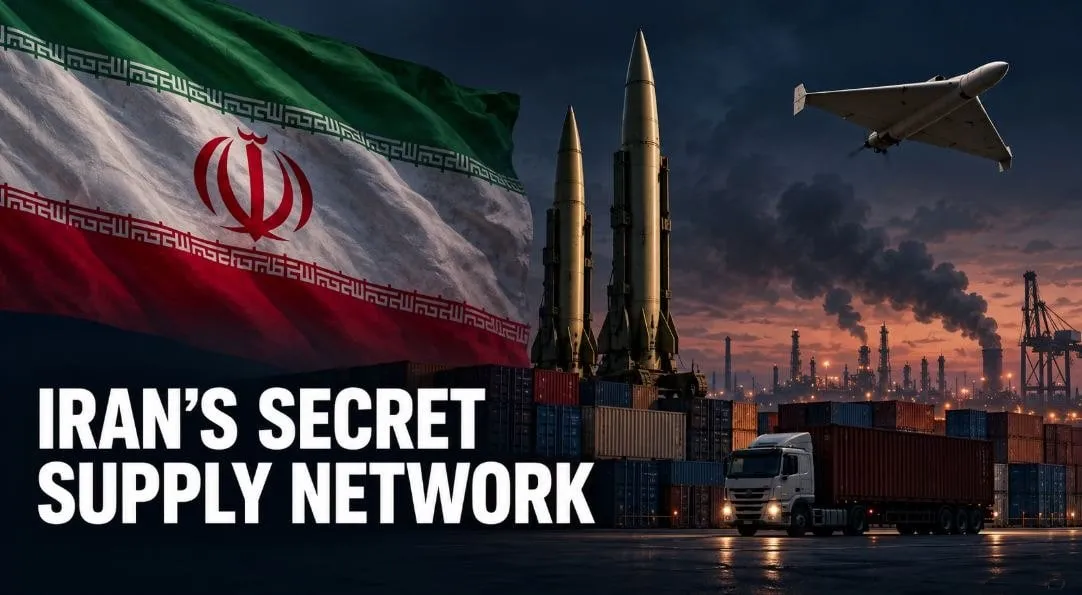
KEY POINTS
- More than 5,000 entities linked to Iran’s Ministry of Defence
- One agency imported $2.3 billion in military goods over 18 months
- Shipments originated from China, Russia, Germany and the UAE
- Companies list February 11, 1979 as founding date but records show 2013
- Investigation based on thousands of Iranian banking and state documents
US strikes damaged Iran’s weapons factories, yet Tehran continued securing military supplies through a hidden network. More than 5,000 entities have been linked to Iran’s Ministry of Defence, forming a procurement system that operated during the war with the US and Israel.
One agency alone imported $2.3 billion worth of goods over eighteen months. The cargo included rocket-fuel ingredients, detonators, aircraft components and hundreds of heavy trucks capable of serving as mobile missile launchers.
“How does the IRGC replenish its missile and drone stocks while firing thousands of them?”
Shipment records list China, Russia, Germany and the United Arab Emirates as origins. Goods arrived by land, sea and air, allowing Iran to replenish missile and drone stocks despite a US naval blockade and Western sanctions.
The companies carry names beginning with “MOD” followed by five or six digits and share the Tehran address of the Ministry of Defence and Armed Forces Logistics headquarters. They list February 11, 1979, the date of Iran’s Islamic Revolution victory, as their establishment date.
Corporate records indicate most were actually created in 2013, when sanctions squeezed Iranian oil exports and pressured the currency. Some agencies are linked to the Islamic Revolutionary Guard Corps and business conglomerates known as bonyads controlled by Iran’s elite.
The investigation was based on thousands of Iranian banking and state documents, corporate registration data and import records. Reuters conducted the research together with 240 Analytics, a consultancy analysing threats facing Washington and Tel Aviv.
2 more sources below
COMMENTS (0)
No comments yet. Be the first.
RELATED STORIES
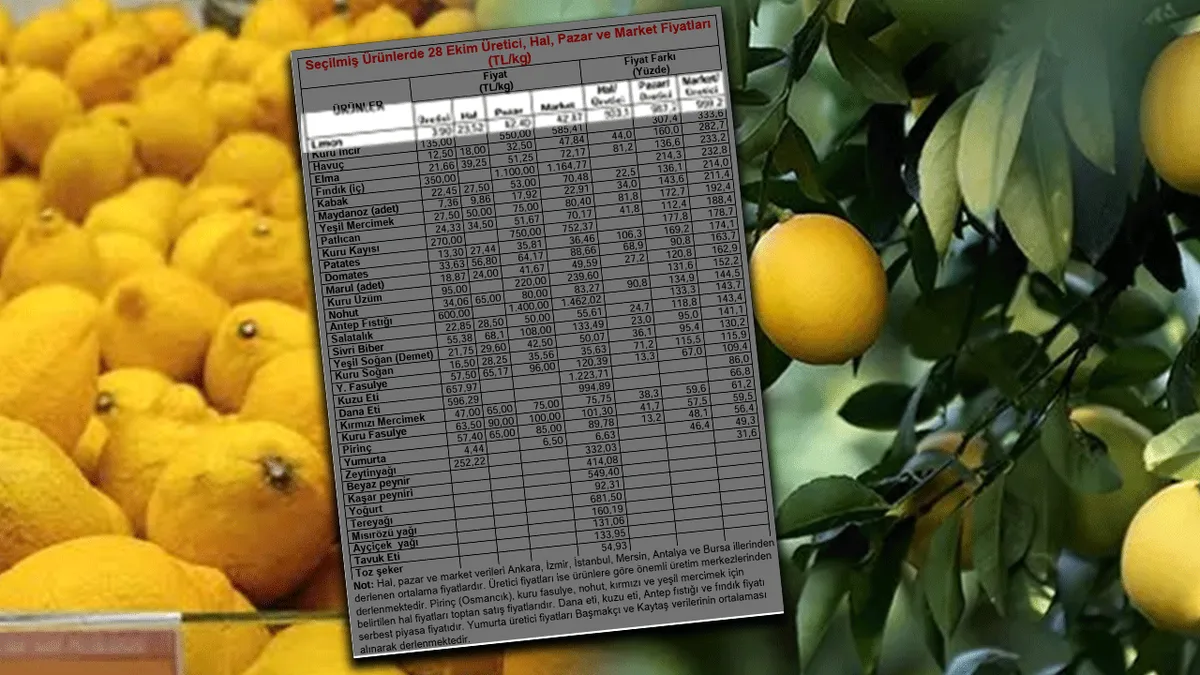
TZOB reports lemon producer price 3.90 lira, market price 42.87 lira in October
Turkey's Chambers of Agriculture union says producer-to-market price gaps widened sharply for lemons and other goods last month.

Eight-year-old boy assaults six-year-old girl at Panchkula school
An eight-year-old boy allegedly attacked a six-year-old girl inside a government school classroom in Haryana's Panchkula on October 28.

Bulgaria presidential runoff pits Radev ally against pro-Western rival
Iliana Yotova and Andrey Gyurov face off in Sunday’s presidential runoff after a close first round.
- School Security Meetings Held in Merzifon and Karabük
- Colombia confirms malaria, not Ebola, in two travelers from Congo
- Iranian leader warns US and Israel of geographically unrestricted military response
- European small museums on alert after Louvre theft and art heists
- Opposition Leader Calls for Olive Aid in Balikesir Visit
This page was compiled with AI assistance from the outlets named above and passed an automated language check before publication. Montegre has no reporters of its own; the byline names the outlets the story was compiled from. Method and editorial standards