Spain Enacts New Traffic Rules for Scooters, Cyclists
Reforms effective October 1 set minimum age, helmet rules, and stricter overtaking distances for vulnerable road users.
KEY POINTS
- New traffic regulations effective October 1, 2026
- E-scooter minimum age set at 15; helmets mandatory
- Cyclist helmets required on all interurban roads
- Overtaking rules tightened: -20 km/h, 1.5m distance, lane change
- 200-euro fines for helmet and reflective vest violations
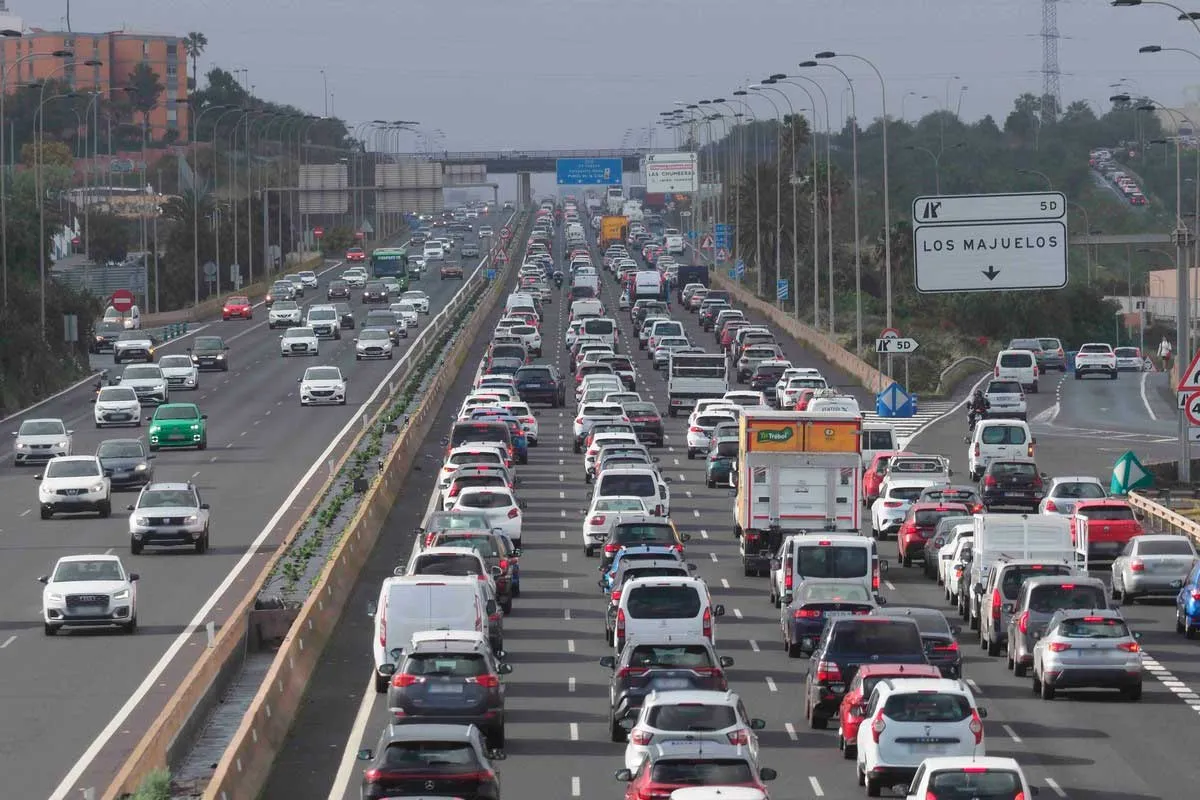
Spain's revised General Traffic Regulations took effect on October 1, 2026, introducing new obligations for electric scooter riders, cyclists, and motorists. The reforms aim to protect vulnerable road users, a category now formally defined to include pedestrians, cyclists, and personal mobility vehicle users.
Electric scooter operators must now be at least 15 years old and wear protective helmets at all times. Reflective vests are mandatory at night or in low visibility, while permanent lighting becomes compulsory starting October 1, 2027. Outside urban areas, scooters may use segregated bike lanes unless expressly prohibited.
“For the first time, the Regulation formally defines the 'vulnerable road user'.”
For cyclists, helmets are now mandatory on all interurban roads, removing previous exemptions. Professional riders and delivery workers must also wear reflective vests. Violations for missing helmets or vests carry a 200-euro fine classified as a serious offense.
Motorists overtaking cyclists must reduce speed by at least 20 km/h below the limit and maintain a 1.5-meter lateral distance. On multi-lane roads, drivers must change lanes completely. In cities, cyclists should ride in the lane center, and following vehicles must keep a five-meter gap.
2 more sources below
TOPICS
COMMENTS (0)
No comments yet. Be the first.
RELATED STORIES

Russian Strikes Close Three Kyiv Bridges, Disrupt Traffic
Mayor Vitali Klitschko confirmed partial closures on three Dnipro River crossings as Moscow intensifies attacks on civilian infrastructure.
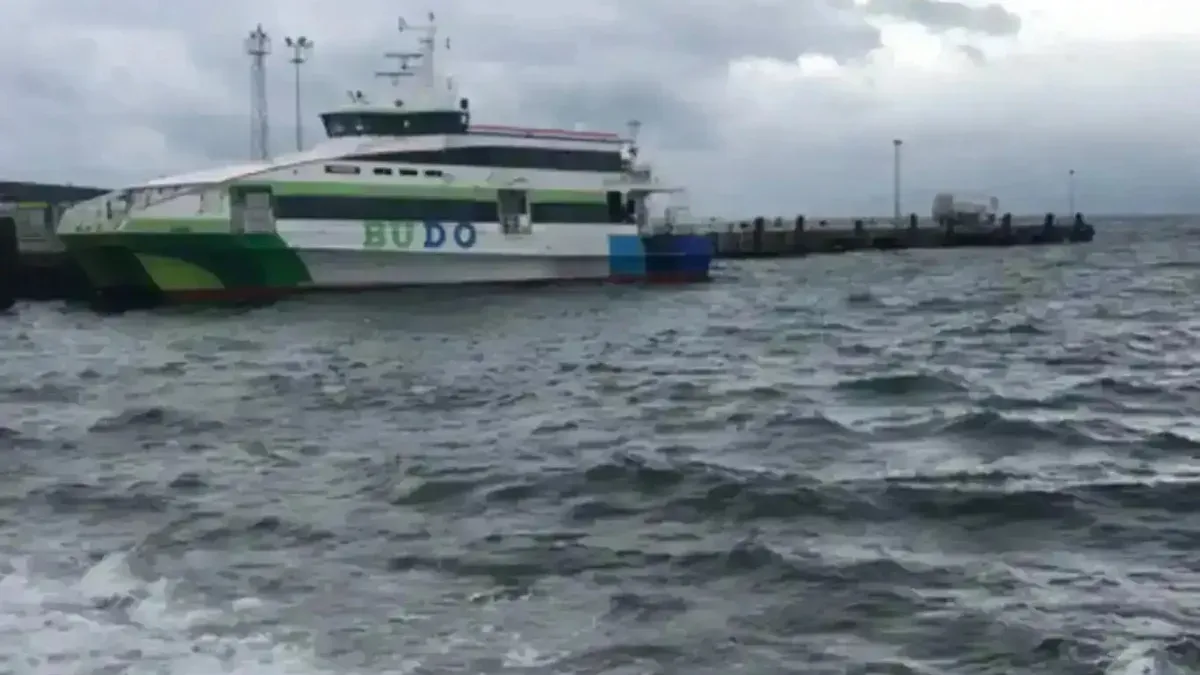
Storm Cancels Eight BUDO Ferry Sailings Across Marmara
Adverse weather halts services between Mudanya, Kabataş and Armutlu on 3 October.

Dendias Urges Rapid EU Defence Build-Up, Cites Turkey Threat
Greek Defence Minister warns Europe has delayed too long and must create a pan-European defence to face 360-degree threats.
- Trump Warns Iran of 'Very Hard' Strike Over FlyDubai Flight Incident
- SpaceX Crew-13 Launches Four Astronauts to ISS for Six-Month Mission
- Crete on Red Alert as Severe Storms Bring Flood Risk, Gale-Force Winds
- Gulf Oil Flows Through Hormuz Rebound to 80% of Pre-War Levels
- Flydubai flight diverted to Saudi Arabia after cockpit knife attack
This page was compiled with AI assistance from the outlets named above and passed an automated language check before publication. Montegre has no reporters of its own; the byline names the outlets the story was compiled from. Method and editorial standards