Arab parties hold key to Israeli government after election
No bloc has reached the 61-seat majority needed to form a government, making Arab parties decisive in coalition talks.
KEY POINTS
- Netanyahu's right-wing bloc has 53 seats; Eisenkot's opposition bloc has 47
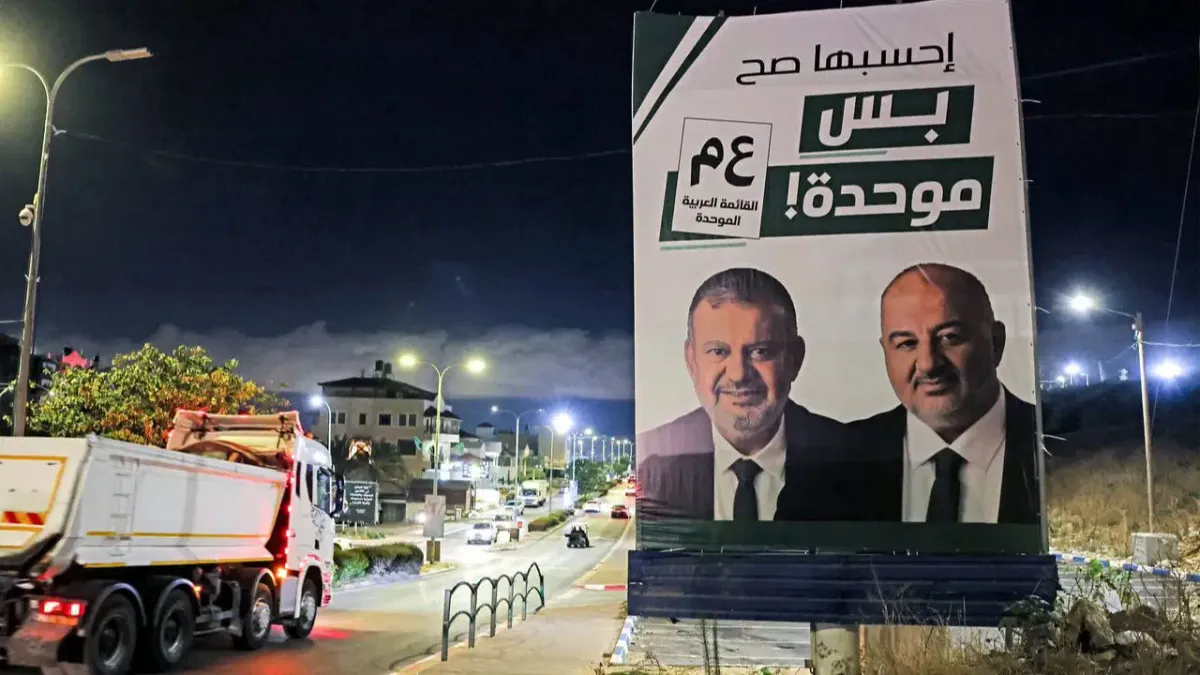
- Arab parties hold 19 seats after the United Arab List gained one more
- A 61-seat majority is required in the 120-member Knesset to form a government
- Mansur Abbas said a governing majority must be confirmed before coalition terms are discussed
- Ra'am previously joined the 2021 Bennett-Lapid coalition
Vote counting continues in Israel following the latest elections. According to the Central Elections Committee, results from 8,702 ballot boxes show Prime Minister Benjamin Netanyahu's right-wing coalition bloc at 53 seats, while Gadi Eisenkot's opposition Change Bloc holds 47 seats. Neither alliance has reached the 61-seat majority required to form a government.
Arab parties have increased their total representation to 19 seats following an additional seat won by the United Arab List. High voter turnout among Arab citizens contributed to this historic result. Their position could prove decisive in determining whether a new government can be formed.
Ra'am Party leader Mansur Abbas said on Channel 16 that parliament must first determine whether a governing majority exists before coalition conditions are discussed. He did not outline specific terms for a potential coalition. Abbas emphasized that the outcome depends on the final seat distribution.
Television exit polls have produced conflicting projections. Three channels suggested Netanyahu's bloc would fall short of a majority, while Channel 14's updated estimate indicated he might reach it. These figures are projections, not final results.
A similar precedent exists from 2021, when Ra'am joined the Naftali Bennett-Yair Lapid coalition. That made an Islamist-conservative Arab party part of a government led by an Israeli right-wing prime minister. Whether a comparable alliance can be formed now remains uncertain.
Arab citizens make up about 21 percent of Israel's population, or roughly two million people. Their political influence has returned to the forefront of Israeli debate. The next step is formal coalition negotiations based on the official results.
2 more sources below
COMMENTS (0)
No comments yet. Be the first.
RELATED STORIES
Bloomberg and trading firms pay for faster Trump Truth Social access
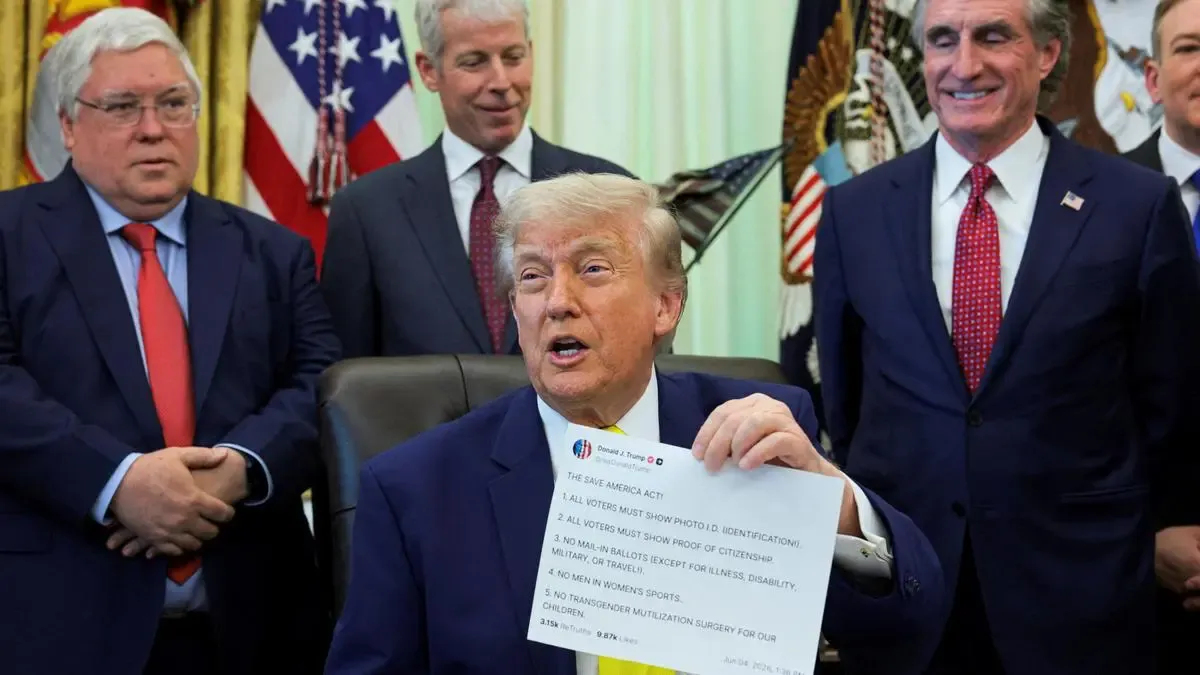
Bloomberg, Susquehanna International Group and Jump Trading pay up to $100,000 monthly for faster access to President Donald Trump's posts on Truth Social.
Sinem Dedetaş Released from Prison Under House Arrest in Üsküdar Case
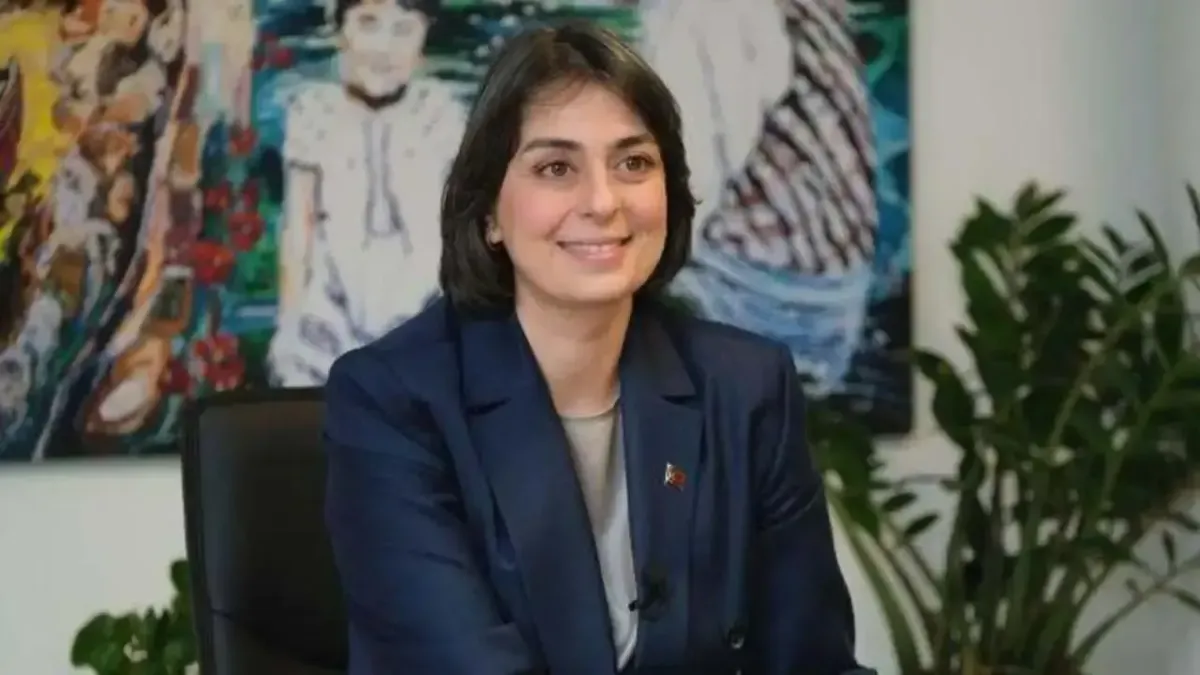
Former Üsküdar mayor Sinem Dedetaş has been released from Tekirdağ Karatepe Women’s Closed Prison after about three months in detention, with house arrest imposed as a judicial control measure.
ECB President Lagarde to Step Down on February 7, 2027
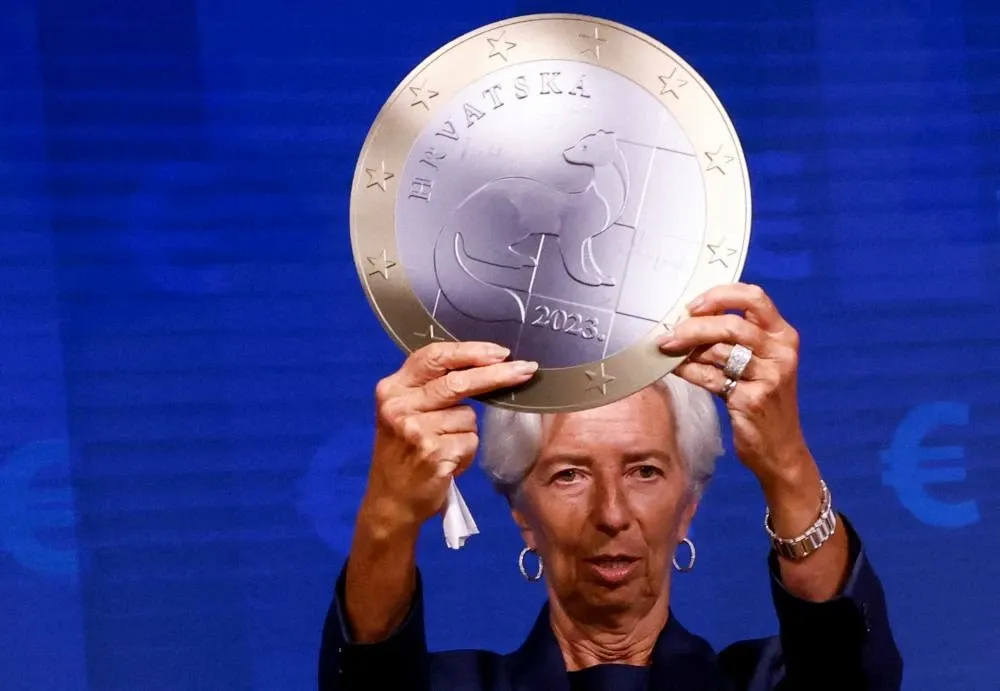
Christine Lagarde will leave the European Central Bank presidency nine months before her term ends.
- US Vice President Vance Sends Letter to Iran Hard-Liner to Revive Peace Talks
- Karnataka voter roll shrinks by nearly one crore after special revision
- Republic Day ceremonies mark 103rd anniversary in Avanos and Karaman
- Kazakhstan to Spend $14.3 Billion on Infrastructure by 2029
- Putin praises Musk as Russia launches Starlink rival Rassvet
This page was compiled with AI assistance from the outlets named above and passed an automated language check before publication. Montegre has no reporters of its own; the byline names the outlets the story was compiled from. Method and editorial standards