Karnataka voter roll shrinks by nearly one crore after special revision
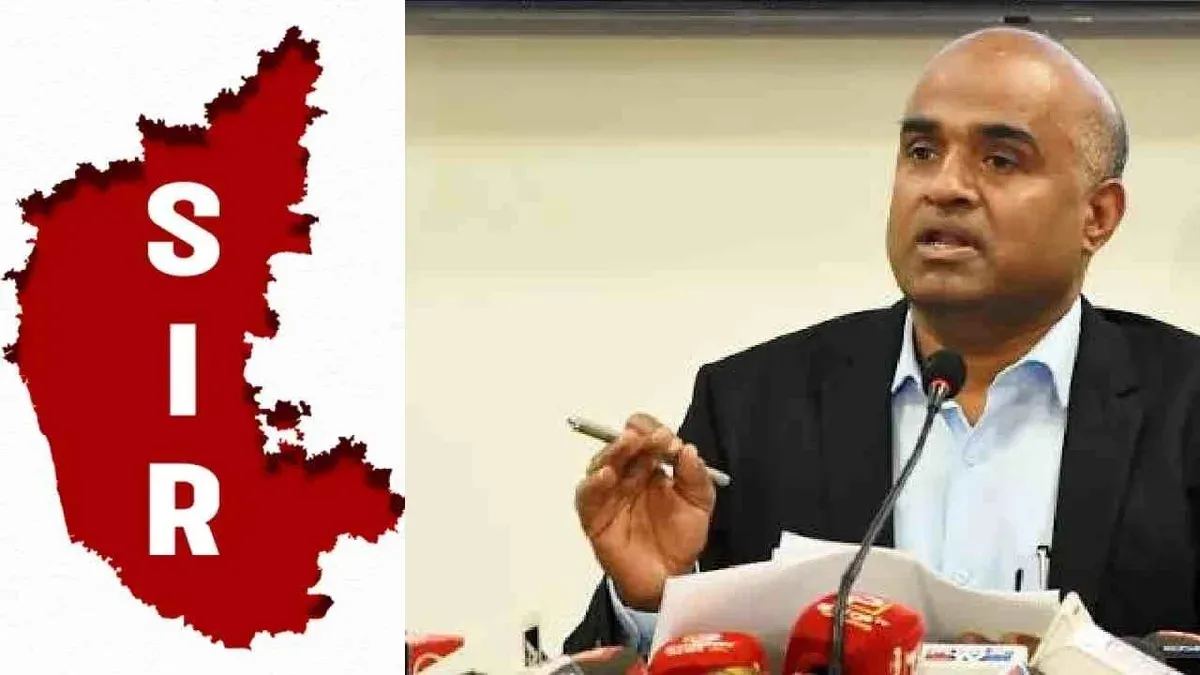
Karnataka’s final electoral list contains 4.55 crore electors after the Special Intensive Revision removed about 99.32 lakh names.
KEY POINTS
- Final voter list published on October 27 lists 4,55,00,011 electors
- Roll shrank by 99,32,303 names, nearly 18 percent of the earlier electorate
- Special Intensive Revision began in Karnataka on June 30 after preparatory work from June 20 to 29
- Draft roll on August 24 recorded about 4.46 crore electors
- Removed names may include deceased persons, shifted residents, duplicates and untraceable electors
Karnataka’s final voter list, published on October 27, contains 4,55,00,011 electors, down from 5,54,32,314 before the Special Intensive Revision began. The reduction of 99,32,303 names equals nearly 18 percent of the earlier electorate and is the largest percentage purge reported by any state so far.
The draft roll published on August 24 had recorded about 4.46 crore electors. Claims, objections and verification then produced additions and other changes before the final list was issued.
“A name being removed from a voter list does not, by itself, establish electoral fraud.”
The Special Intensive Revision officially started in Karnataka on June 30, following preparatory work between June 20 and 29. Booth Level Officers visited households and distributed enumeration forms during the exercise.
Under the SIR method, a Booth Level Officer brings an enumeration form to every elector on the roll. The elector signs it and links himself or herself, or a parent, to the 2002 roll. If the form does not come back, the name does not enter the draft roll.
The reduction does not automatically mean that nearly one crore bogus voters were found. Removed entries may include deceased persons, people who shifted residence, duplicate registrations, untraceable electors and other cases requiring scrutiny.
Organiser notes that establishing genuinely fraudulent registrations requires category-wise information and the findings of the verification process. The South First compares the removal with state population figures and suggests that about only 62 lakh people should have been removed instead of nearly one crore.
2 more sources below
COMMENTS (0)
No comments yet. Be the first.
RELATED STORIES
ECB President Lagarde to Step Down on February 7, 2027
Christine Lagarde will leave the European Central Bank presidency nine months before her term ends.

US Vice President Vance Sends Letter to Iran Hard-Liner to Revive Peace Talks
JD Vance reached out to Iran’s Supreme National Security Council secretary Mohsen Rezaei at President Trump’s direction to explore a negotiation framework.

Republic Day ceremonies mark 103rd anniversary in Avanos and Karaman
Wreath-laying ceremonies and Independence March recitals opened Republic Day celebrations in two Turkish districts.
- Arab parties hold key to Israeli government after election
- Kazakhstan to Spend $14.3 Billion on Infrastructure by 2029
- Congress demands probe into Ram temple donation theft case
- Canada says US trade deal not ready before midterms
- Argentina-Brazil Ties Worsen After Bolsonaro's Departure and Milei's Silence
This page was compiled with AI assistance from the outlets named above and passed an automated language check before publication. Montegre has no reporters of its own; the byline names the outlets the story was compiled from. Method and editorial standards