Joe Wallach, Globo executive who helped structure TV network, dies at 103 in Los Angeles
Joe Wallach, who helped structure TV Globo in its early years and later founded Telemundo, has died at age 103.
KEY POINTS
- Joe Wallach died at 103 in Los Angeles
- He helped structure TV Globo in 1965 and later founded Telemundo
- The Globo-Time-Life deal involved US$ 6 million and was questioned under Brazilian law
- A Parliamentary Inquiry Commission investigated the Globo-Time-Life relationship
- Boni later acknowledged the agreement was irregular
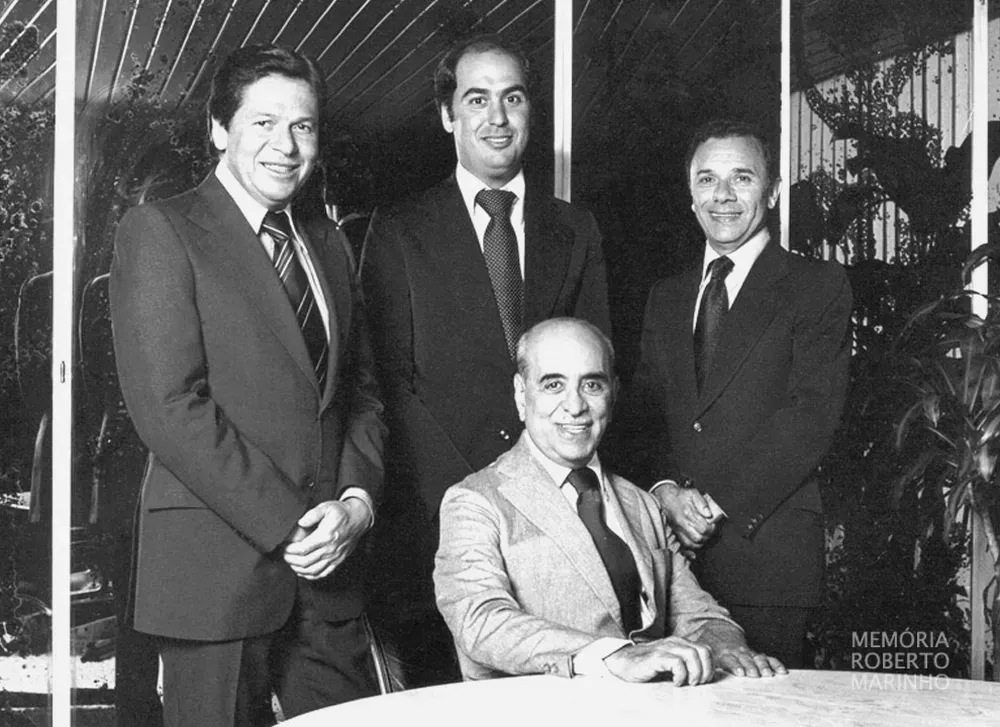
Joe Wallach, an American television executive who helped structure TV Globo during its early years, died last Friday in Los Angeles at the age of 103. He was born in New York on September 10, 1923, and arrived in Brazil in 1965 sent by the American group Time-Life to oversee a US$ 6 million investment in Roberto Marinho's newly launched station.
Wallach participated in the administrative and operational structuring of Globo in 1965 and later helped found Globosat. He also founded Telemundo, a television network aimed at the Latino community in the United States. He lived in Los Angeles with his wife, Doreen, and earned a degree in astronomy after turning 90.
“The agreement was totally illegal, in my point of view.”
The Globo-Time-Life agreement dated back to 1962, when Roberto Marinho obtained the station's concession. Under the deal, Time-Life provided financial resources, equipment, and technical assistance for the construction and operation of Globo in exchange for a share in the Brazilian company's financial results.
The deal came under scrutiny just two months after the station's inauguration in 1965 because Brazilian law at the time prohibited foreign capital in the ownership and direction of journalistic and broadcasting companies. Wallach's presence as Time-Life's representative inside Globo raised questions about U.S. influence over the company's administration and strategic decisions.
The suspicions led to the opening of a Parliamentary Inquiry Commission (CPI) to investigate relations between Globo and the foreign group. The case became one of the main episodes involving the station's expansion during the military dictatorship, when Globo consolidated its presence in the national television market.
Decades later, José Bonifácio de Oliveira Sobrinho, known as Boni, acknowledged that he considered the partnership irregular. In an interview with Imprensa magazine, he stated that the agreement was totally illegal in his view.
The news of Wallach's death was announced by TV director José Bonifácio de Oliveira, known as Boninho, on his Instagram profile. Roberto Irineu Marinho, João Roberto Marinho, and José Roberto Marinho also issued a statement highlighting Wallach's importance to TV Globo and describing him as a great partner of their father and a dear friend of the family.
3 more sources below
COMMENTS (0)
No comments yet. Be the first.
RELATED STORIES

First Lady Seeks N70bn to Complete Abuja National Library
Nigeria’s First Lady says construction has resumed on the long-stalled National Library and appeals for additional funding.

Former Romania footballer Gabi Tamaș detained 24 hours after Bucharest Old Town brawl
Gabi Tamaș was handcuffed and brought from Brașov to Bucharest police headquarters after two men filed criminal complaints against him.

Romanian football legend Dudu Georgescu dies at 76 in Toronto
Dudu Georgescu, Romania's all-time top scorer in the first league, has died at age 76 in Canada.
- Spanish Court Frees US Extradition Suspect Over FBI Translation Errors
- Child Rights Awareness Events Mark Universal Children's Day in Siirt and Karabuk
- Ortahisar Mayor Faces Legal Process After Neighborhood Dispute
- Mayor Mamdani Honors Javits Frimpong at Bronx Funeral
- Mets Sign Tarik Skubal to Record $450 Million Nine-Year Deal
This page was compiled with AI assistance from the outlets named above and passed an automated language check before publication. Montegre has no reporters of its own; the byline names the outlets the story was compiled from. Method and editorial standards