Chilean lawmaker demands explanations for 56 sentence reductions for child sex offenders
Socialist deputy Raúl Leiva says Justice Ministry granted sentence cuts administratively without individual court orders.
KEY POINTS
- Socialist deputy Raúl Leiva questioned 56 administrative sentence reductions for child sex offenders
- The reductions covered 29 rape cases and 27 sexual abuse cases
- Decrees were issued between March 11 and September 13, 2026, without individual judicial orders
- Supreme Court President Gloria Ana Chevesich assigned formal responsibility to Justice Minister Fernando Rabat
- Leiva requested the Comptroller's Office to review the legality of the decision
Socialist deputy Raúl Leiva questioned the government of President José Antonio Kast for granting 56 sentence reductions to people convicted of rape and sexual abuse against children and adolescents. He said the Justice Ministry made the decision administratively, without an individual judicial order requiring it to do so.
According to Leiva, 29 of the reductions were for rape and 27 were for sexual abuse. The decrees were issued between March 11 and September 13, 2026, as reported by Interferencia and confirmed by Justice Minister Fernando Rabat.
“The Government took a decision that favored people convicted of sexual crimes against children, girls and adolescents, even though a law expressly excludes the perpetrators of these crimes from sentence reductions.”
Leiva cited Law No. 21.421, in force since February 2022, which amended Law No. 19.856 to exclude those convicted of sexual crimes against minors from sentence reductions. He argued that a judicial sentence binds only the case in which it is issued and does not require the ministry to extend the same benefit automatically to all convicts who request it.
Supreme Court President Gloria Ana Chevesich rejected the government's excuses and placed formal responsibility directly on Justice Minister Fernando Rabat. She said Rabat issued the decrees using his legal powers and declined to comment on the substance of the rulings or on Supreme Court decisions.
Chevesich explained that a sentence-reduction commission issues decisions, and courts cannot rule on the matter unless a protection appeal is filed against that decision. She said determining whether uniform case law exists is the task of legal scholars, not the court.
Leiva demanded that the legal grounds for the decision be made transparent and asked the Comptroller's Office to examine its legality.
3 more sources below
COMMENTS (0)
No comments yet. Be the first.
RELATED STORIES
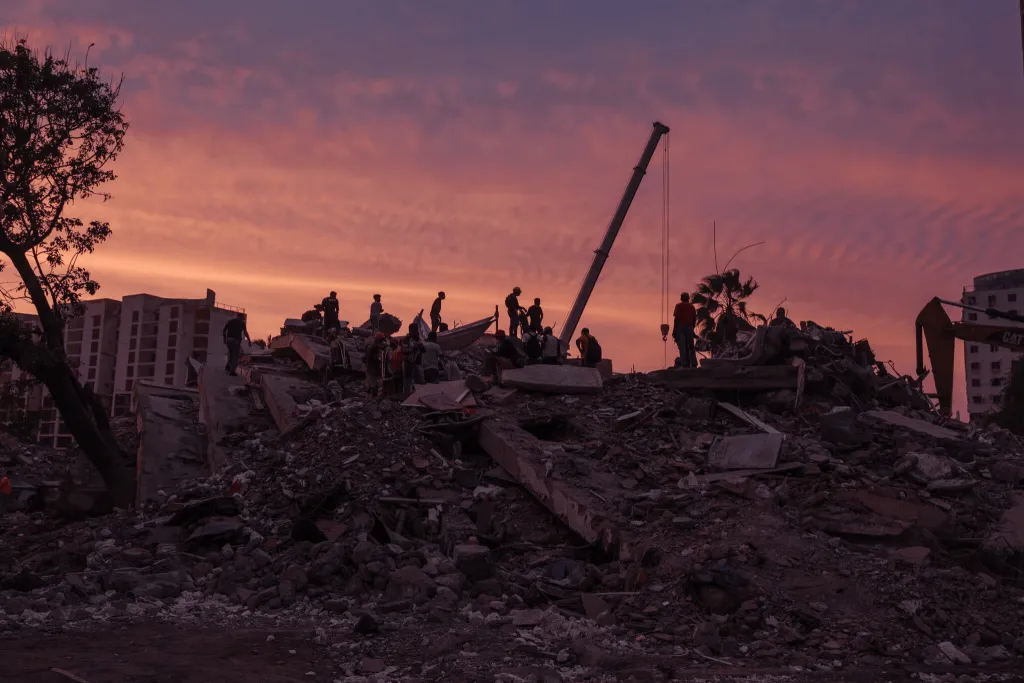
Analysis Suggests Venezuela Earthquake Death Toll Far Exceeds Official Count
Independent estimates indicate the June earthquake deaths in Venezuela may be substantially higher than the government's official figure.

US congressional nominee Brad Lander detained during West Bank olive harvest, released hours later
Brad Lander was detained by Israeli forces while helping Palestinian farmers harvest olives near Bethlehem and released several hours later with a warning.

Free Rail Travel on Republic Day Across Five Lines
Presidential decree makes selected rail services free on 29 October 2026.
- Sánchez admits errors on Ábalos and Ceuta in TV interview
- Serbia Votes Sunday as Student Movement Challenges Vucic's 12-Year Rule
- Judge Orders Trump to Give Deposition by December 11 in BBC Defamation Suit
- Turkey's SPK Files Criminal Complaints Against 56 People Over ALKLC and ANELE Trades
- Formula 1 Returns to Africa With Rwanda Grand Prix Deal
This page was compiled with AI assistance from the outlets named above and passed an automated language check before publication. Montegre has no reporters of its own; the byline names the outlets the story was compiled from. Method and editorial standards