Lula Signs Critical Minerals Law, Creates Council to Vet Strategic Deals
Brazil's new policy offers tax credits and a guarantee fund to boost domestic processing while giving the presidency power to block foreign acquisitions of sensitive mineral assets.
KEY POINTS
- Law 15.506 creates National Policy for Critical and Strategic Minerals and presidential council (CIMCE) to vet strategic transactions
- Tax credits of R$ 1 billion/year (2030-2034) for domestic processing projects, plus R$ 5 billion guarantee fund
- Council includes 13 ministries and industry groups; first meeting within 10 days to define official minerals list
- Brazil has 21 million tons of rare earth reserves (2nd globally) but only 25% of territory mapped
- Lula emphasizes sovereignty, rejects raw ore exports, frames law as electoral asset for 2026 campaign
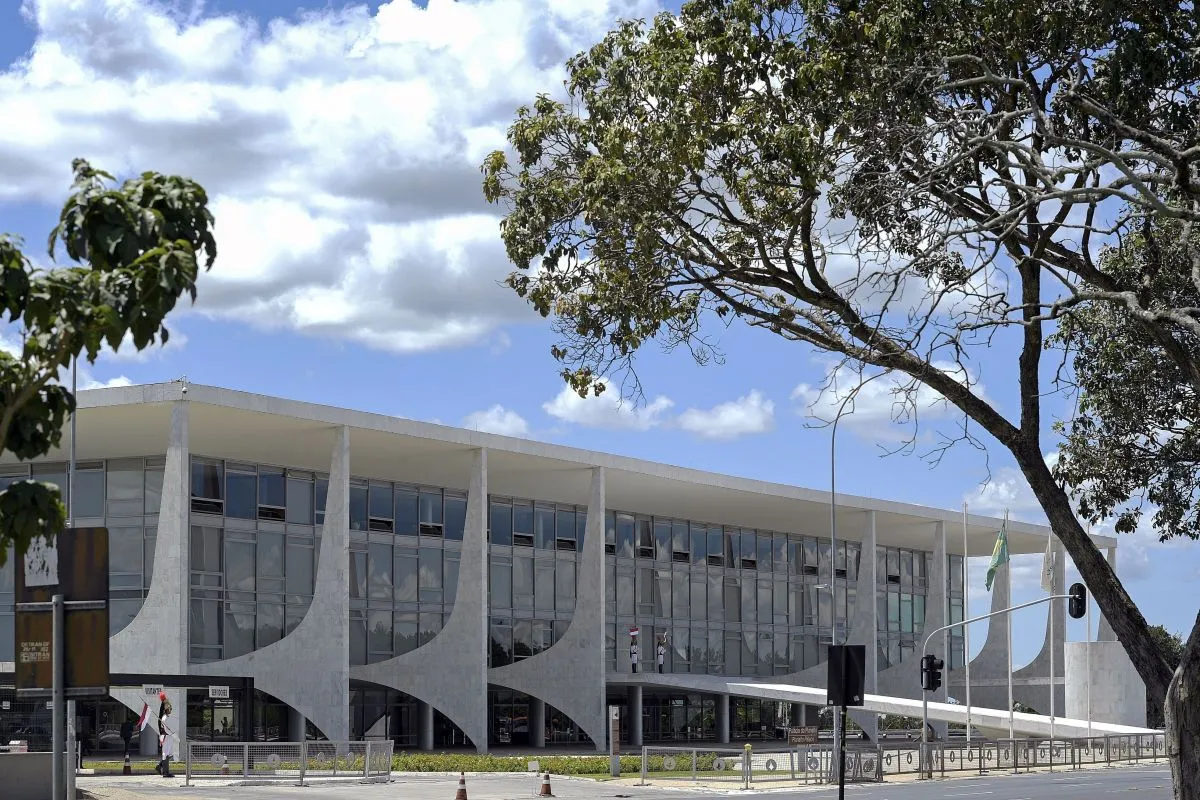
President Luiz Inácio Lula da Silva signed Law 15.506 on Wednesday, establishing the National Policy for Critical and Strategic Minerals (PNMCE) and a presidential council with authority to approve or block transactions involving sensitive mineral assets. The ceremony took place at the Palácio do Planalto alongside the installation of the National Council for Industrialization of Critical and Strategic Minerals (CIMCE).
The law combines fiscal incentives with state control mechanisms. It creates a federal tax credit program worth R$ 1 billion annually from 2030 to 2034, totaling R$ 5 billion, covering up to 20% of eligible project expenses for mineral processing, manufacturing, and recycling. A guarantee fund of up to R$ 5 billion, with up to R$ 2 billion from the Union, will back qualifying ventures.
“Our sovereignty is non-negotiable. We are not and will never again be a colony of anyone.”
The CIMCE, housed in the presidency, comprises representatives from 13 ministries plus industry, mining, and municipal associations. It will review changes in corporate control, transfers of mining rights, and international contracts linked to critical minerals. Its first meeting is expected within ten days to define the official list of critical and strategic minerals.
Brazil holds 21 million metric tons of rare earth reserves, the world's second-largest after China, yet only about 25% of its territory has been geologically mapped. The Geological Survey of Brazil's research budget will jump from R$ 8 million to R$ 300 million to expand resource knowledge.
Lula framed the law as a sovereignty measure, declaring Brazil would no longer export raw ore "at banana prices" and calling political opponents who favor foreign control "traitors of the fatherland." The legislation allows the government to impose value-addition requirements on exports but does not ban raw ore shipments; details will be set in future regulations.
9 more sources below
YORUMLAR (0)
Henüz yorum yok. İlk yazan siz olun.
RELATED STORIES
Fed Raises Rates 25 Basis Points for First Time Since 2023
Unanimous decision lifts target range to 3.75-4.00%; gold surges then drops $80 as dollar strengthens.
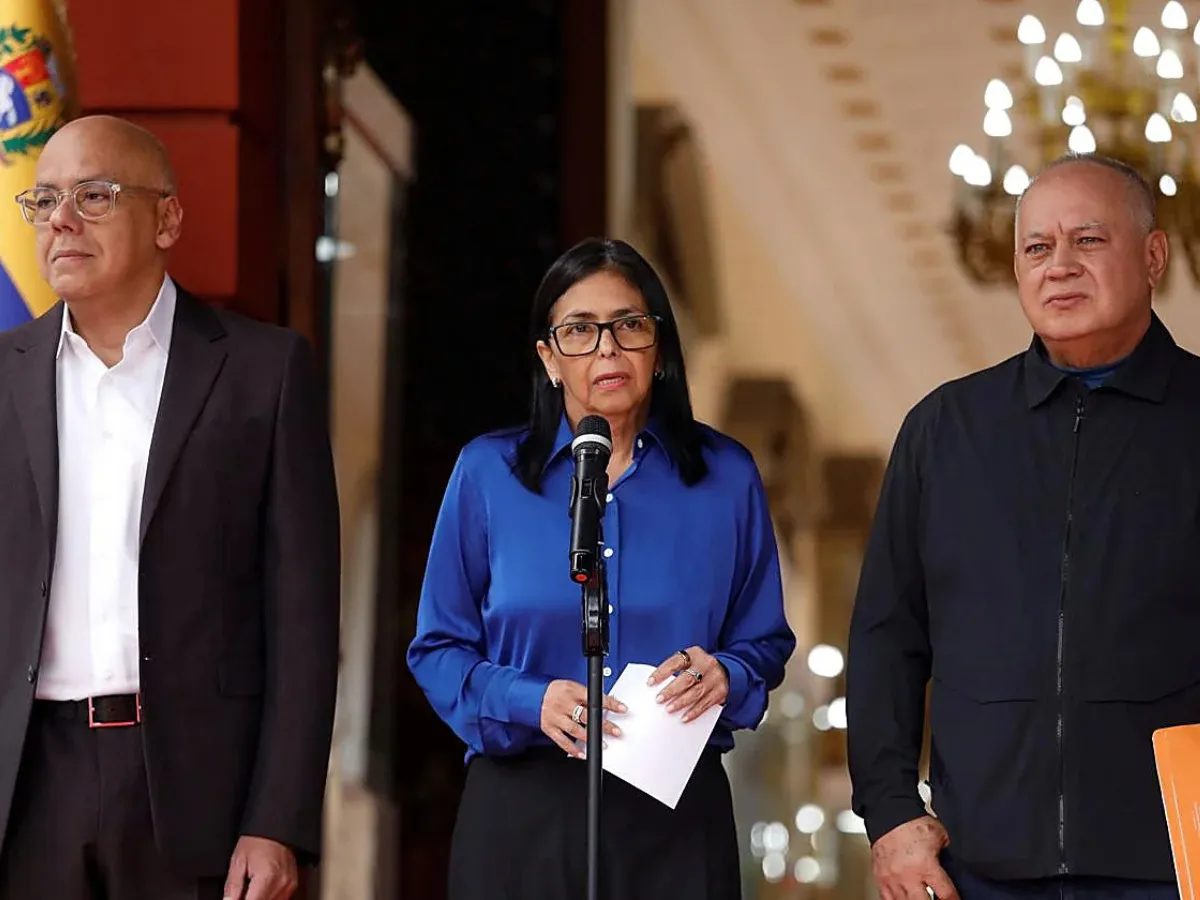
US removes Venezuela from drug blacklist after 20 years; Colombia kept on list
Trump certifies Venezuela's cooperation under interim leader Delcy Rodríguez while maintaining Colombia's decertification for a second year, citing Petro's record but praising new president de la Espriella.

Diesel price tops 100 TL per liter for first time in Turkey
A second hike in days pushes diesel to record highs across provinces, with taxes set to add another 7.2 TL in October.
- OpenAI Launches Framework to Track and Disclose AI Model Misalignment
- Climate change worsened deadly Nepal flood, scientists find
- Fed Hikes Rates for First Time Since 2023; Brazil Cuts Selic to 13.75%
- EU proposes associate membership for Canada; Trump threatens tariffs
- US House passes Russia sanctions bill with Trump tariff powers
This page was compiled with AI assistance from the outlets named above and passed an automated language check before publication. Montegre has no reporters of its own; the byline names the outlets the story was compiled from. Method and editorial standards