Lula begins fourth term facing fiscal credibility challenge after campaign spending
Brazil's re-elected president must restore public finances after election-year measures raised spending and cut revenue.
KEY POINTS
- Lula re-elected for fourth non-consecutive term
- Election-year measures raised spending and cut revenue
- General government gross debt reached 82.9 percent of GDP
- Citi says stabilizing debt requires a 3.3 percent of GDP primary surplus
- Current primary result is an effective deficit of 0.5 percent of GDP
Luiz Inacio Lula da Silva was re-elected on Sunday for a fourth non-consecutive term and will face the next four years with the task of putting Brazil's public accounts in order. Analysts and market agents remain skeptical after election-year measures increased government spending and reduced revenue.
The Treasury had already warned in June that the economic team's strategy to improve the primary balance by 2030 would become unsustainable from 2028 without new fiscal measures. During the campaign, Lula gave mixed signals about fiscal commitment while his team defended the current public accounts framework.
“Many people said the fiscal crisis was not being discussed during the campaign. I preferred first-round silence to the flood of promises made afterward without adequate or explicit financing. He will have to do his homework.”
The independent fiscal institution linked to the Senate said many people claimed the fiscal crisis was not discussed during the campaign. Its executive director, Marcus Pestana, said he preferred first-round silence to the flood of promises made afterward without adequate or explicit financing.
General government gross debt rose by more than 10 percentage points during Lula's administration to 82.9 percent of GDP. Economists consider the indicator the main thermometer of the country's solvency.
Under IMF methodology, the indicator should end the year about 20 percentage points above the average of emerging economies. This helps explain the risk premium demanded by investors to finance a government that still records a primary deficit despite recent progress in reducing fiscal imbalance.
Citi estimates that stabilizing this escalation would require a primary surplus of 3.3 percent of GDP. Since the current primary result hovers around an effective deficit of 0.5 percent of GDP, this implies a fiscal consolidation effort of nearly 4 percentage points of GDP.
2 more sources below
COMMENTS (0)
No comments yet. Be the first.
RELATED STORIES
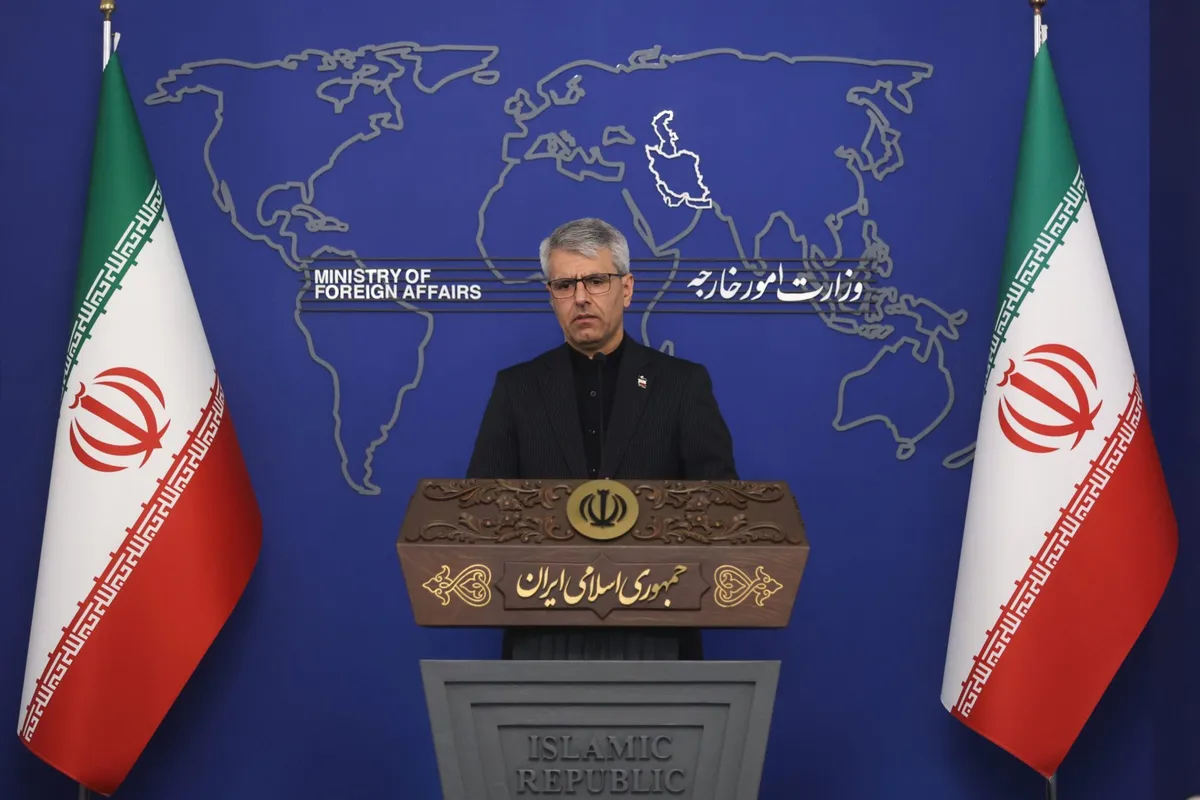
Iran keeps diplomatic channel open as Trump rules out strike today
Iran says messages continue to reach the U.S. through intermediaries while Trump says no attack is planned for today.
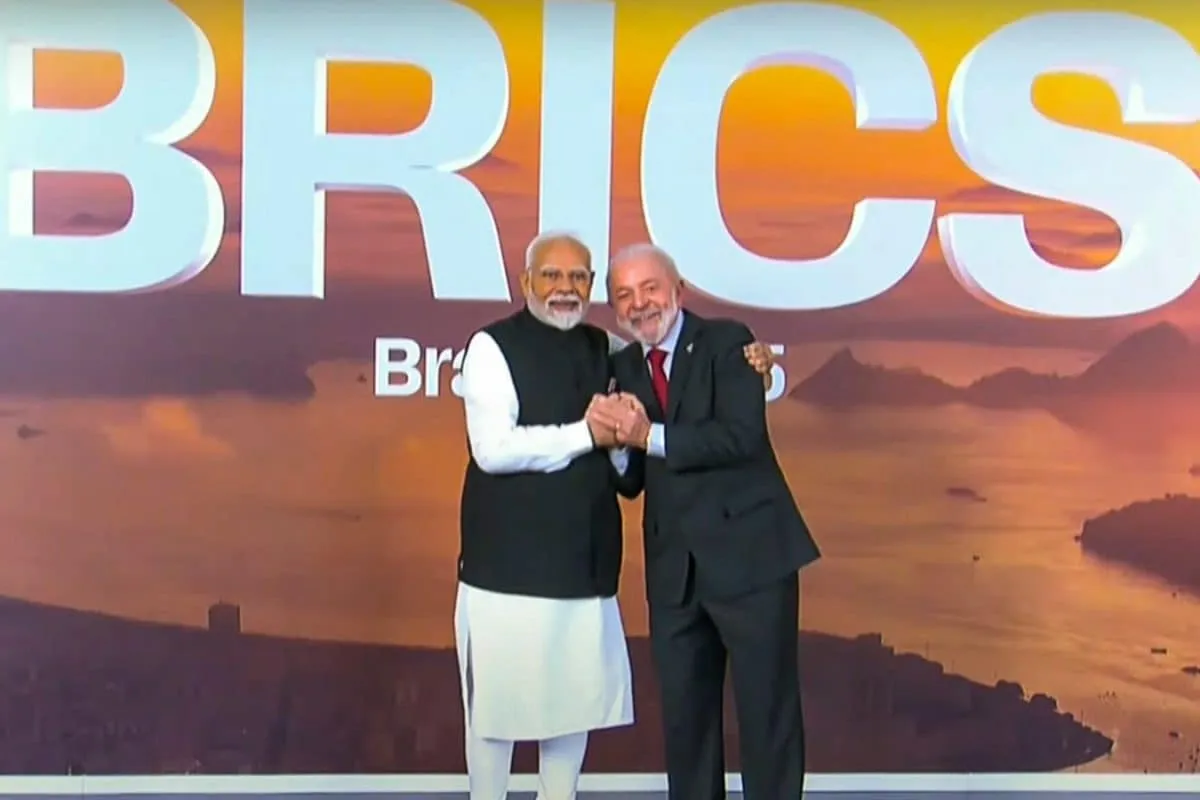
Latin American leaders celebrate Lula's victory in Brazil's presidential runoff
Presidents and former presidents across the region congratulated Luiz Inácio Lula da Silva after his win over Flávio Bolsonaro.
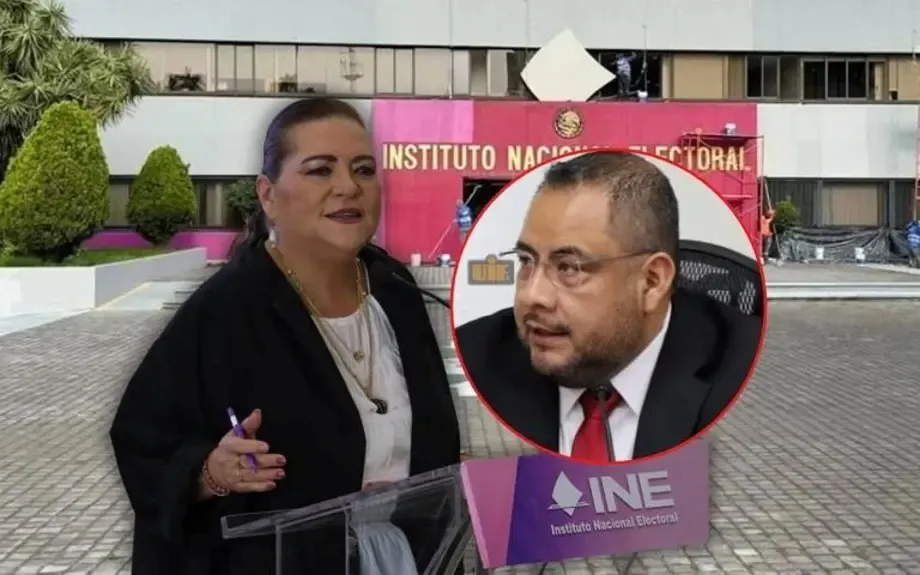
Mexico's INE President Asks Audit Office to Review Contracts Amid Irregularity Claims
Guadalupe Taddei has asked the ASF to investigate contracts tied to former employees after corruption allegations surfaced in Reforma.
- Serbia election polls close amid record turnout and violence reports
- Lula, 80, Seeks Historic Fourth Term in Brazil Presidential Runoff
- President visits family of slain Cali police officer, vows justice
- Bulgaria presidential vote heads to runoff as Black Sea drone incidents shape campaign
- Former MP Ertan Aydın Sent to Court Over Fund Manipulation Request
This page was compiled with AI assistance from the outlets named above and passed an automated language check before publication. Montegre has no reporters of its own; the byline names the outlets the story was compiled from. Method and editorial standards