Morocco votes in parliamentary election dominated by economic grievances
Voters choose a new parliament as parties promise jobs and higher wages amid youth unemployment and migration pressure.
KEY POINTS
- Nearly 16 million Moroccans voted Wednesday for 395 parliamentary seats.
- Economic issues — jobs, wages, inequality — dominated the campaign.
- RNI and PAM, current coalition partners, offered competing social pledges.
- King Mohammed VI will appoint the prime minister from the winning party.
- Youth turnout is a critical indicator after last year's protests and July's Ceuta crossing.
Moroccans went to the polls on Wednesday to elect the 395 members of the House of Representatives, with nearly 16 million of the country's 36 million citizens eligible to vote. Polling stations opened at 8:00 a.m. and closed at 7:00 p.m. local time, with preliminary results expected late in the evening.
The election follows deadly youth-led protests last year and a mass border crossing into the Spanish enclave of Ceuta in July that left dozens dead. While the migration crisis did not dominate campaign rhetoric, parties focused heavily on purchasing power, unemployment, and inequality.
“We have carried out reforms in education and health, we have increased wages. We answered the call when Moroccans needed us.”
A total of 7,288 candidates from 27 parties are competing. The National Rally of Independents (RNI), which leads the current coalition, campaigned on a record including expanded social coverage and direct aid. Prime Minister Aziz Akhannouch led the RNI campaign despite stepping down as party leader.
The Authenticity and Modernity Party (PAM), a coalition partner, pledged tax exemptions for salaries below 15,000 dirhams and 100,000 housing solutions for youth. The RNI promised a guaranteed minimum wage of 5,000 dirhams and the creation of one million jobs.
The next prime minister will be appointed by King Mohammed VI from the party that wins the most seats, though the monarchy retains control over strategic sectors. Voter turnout, particularly among young people, is seen as a key test of legitimacy for the new government.
2 more sources below
YORUMLAR (0)
Henüz yorum yok. İlk yazan siz olun.
RELATED STORIES
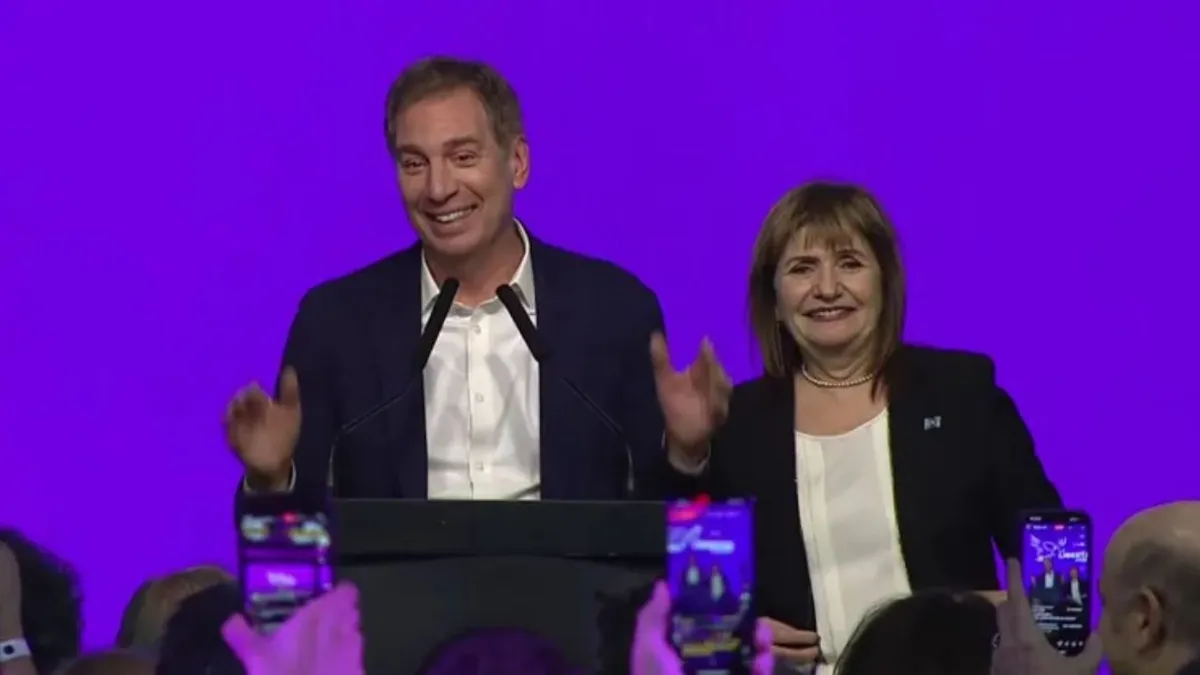
Bullrich contradicts Santilli over disability budget cuts
Senator denies she left early and says disability changes were never discussed in political coordination meeting.

Battleground Republicans Urge Swift End to Iran War Over Gas Prices
Senators Husted, Hinson, and Rogers break with Trump as rising fuel costs threaten GOP midterm prospects.
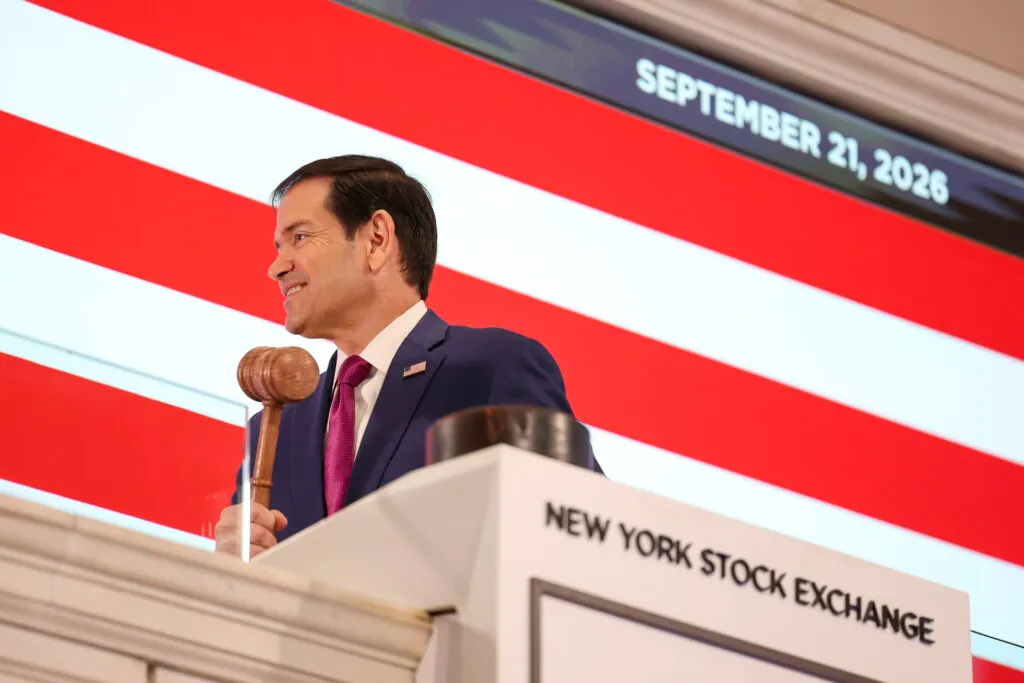
Wall Street Surges on AI Chip Rally; Oil Falls Below $100
Nasdaq hits record as Intel and AMD jump double-digits on Meta's Muse AI optimism while oil drops on Iran diplomacy hopes.
This page was compiled with AI assistance from the outlets named above and passed an automated language check before publication. Montegre has no reporters of its own; the byline names the outlets the story was compiled from. Method and editorial standards