Tinubu says non-oil sector now makes up 96 percent of Nigeria's GDP
President Tinubu says non-oil exports have crossed $6bn, the highest level in Nigeria's history.
KEY POINTS
- Non-oil activities account for about 96 percent of Nigeria's GDP
- Non-oil exports have crossed $6bn, the highest level in history
- External reserves rose to about $55bn, covering more than 14 months of imports
- Non-oil revenue grew from N13.63tn in 2023 to N16.4tn in the first half of 2026
- Government targets a $1tn economy by 2030
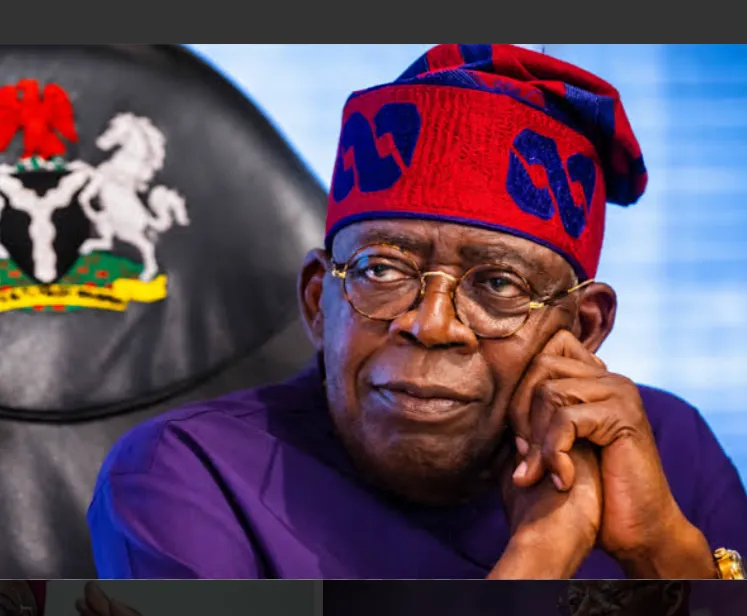
President Bola Tinubu said non-oil activities now account for about 96 percent of Nigeria's gross domestic product. He added that the country's non-oil exports have crossed $6bn, the highest level in its history.
External reserves have risen to about $55bn, representing more than 14 months of import cover, according to the president. Tinubu made the remarks on Thursday in Abuja at the public presentation of a book titled Economic Diversification and Structural Transformation in Nigeria: Past, Present and Future.
“We chose reform over ruin. We removed the fuel subsidy. We unified the exchange rate. These were not easy decisions, and I know the weight they placed on every household. But they were necessary, and today the pain is yielding its promise.”
The book was authored by Abdulmumin Jibrin Kofa, the member representing Kiru/Bebeji Federal Constituency of Kano State. Tinubu was represented at the event by Tajudeen Abbas, the Speaker of the House of Representatives.
Tinubu said the figures reflected progress in efforts to move the economy away from its historical dependence on crude oil. He noted that Nigeria had depended heavily on oil revenues for decades, leaving its budget, currency and livelihoods vulnerable to international oil market fluctuations.
The administration inherited a difficult economic situation marked by a weakening naira, high debt-service obligations, depleted foreign reserves, fuel subsidy costs and declining industrial activities. Tinubu said his administration chose difficult but necessary reforms, including the removal of fuel subsidy and unification of the foreign exchange market.
Nigeria's economic priorities have shifted from stabilisation to shared prosperity, with the government targeting a $1tn economy by 2030 under the Medium-Term National Development Plan 2026–2030. Non-oil revenue grew from N13.63tn in 2023 to N16.4tn in the first half of 2026.
2 more sources below
COMMENTS (0)
No comments yet. Be the first.
RELATED STORIES
Modi to Launch Karnataka Projects Worth Over Rs 15,600 Crore on Nov 13
Prime Minister Narendra Modi will inaugurate metro, railway and energy projects during his Karnataka visit.

Hegseth Holds First Pentagon Presser in Six Months Amid Impeachment Threat
Defense Secretary Pete Hegseth faced impeachment questions and press warnings at his first briefing in half a year.

Begoña Gómez Speaks at PSOE Campaign Launch as Ayuso Mocks Her
Pedro Sánchez's wife made her first campaign appearance while Madrid's regional president attacked her with a sauna remark.
- Argentina's October inflation hits 2.2%, highest since April
- Kocaeli to Present Environmental Projects at COP31 Climate Summit in Antalya
- Mercedes-Benz Halts New Investments in Germany Amid Factory Closure Risk
- Ebonyi APC Leaders Pledge Tinubu Victory in 2027 Election
- Ghana Finance Minister Presents 2027 Budget Focused on Jobs and Fiscal Discipline
This page was compiled with AI assistance from the outlets named above and passed an automated language check before publication. Montegre has no reporters of its own; the byline names the outlets the story was compiled from. Method and editorial standards