Ghana Finance Minister Presents 2027 Budget Focused on Jobs and Fiscal Discipline
Cassiel Ato Forson calls for production-led growth and disciplined spending ahead of the 2027 budget presentation.
KEY POINTS
- Forson calls for an end to recurring economic crises and sustainable job creation
- Unemployment was about 12.8 per cent in January 2025
- Extractive sector accounted for approximately 16 per cent of GDP growth over the last decade
- Private sector credit was about 11 per cent of GDP, with a goal above 20 per cent
- US$10 billion New Economy programme to be spread over four years
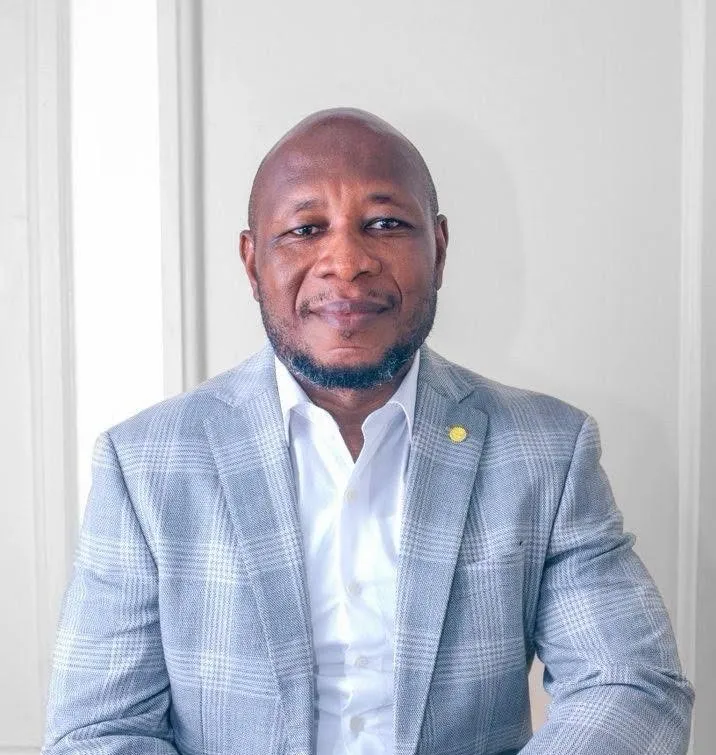
Finance Minister Dr Cassiel Ato Forson has called for an end to Ghana's recurring economic crises. He urged the country to channel gains from its economic recovery into productive investments, sustainable job creation and improved living standards.
Presenting the 2027 Budget Statement and Economic Policy to Parliament, Forson said Ghana must prioritise production, decent employment and a national development agenda capable of delivering prosperity beyond electoral cycles.
“Mr Speaker, the best measure of an economy must be an improvement in the quality of life.”
He noted that Ghana's historical dependence on a narrow range of export commodities, including gold, cocoa and oil, had exposed the economy to external shocks. He said the extractive sector accounted for approximately 16 per cent of GDP growth over the last decade, while unemployment stood at about 12.8 per cent in January 2025.
Reflecting on the 2022 economic crisis, Forson said temporary revenue windfalls had been used to finance permanent expenditure commitments. He stated that reckless spending, weak revenue and expensive debt produced deficits that could no longer be sustained.
Three days before the budget presentation, Forson spoke at KNUST and asked staff and students to test the assumptions behind his policies. He outlined what some call "Atonomics": spend only what you have, finish what you start, bring down the cost of credit, buy Ghanaian, and write the rules into law.
Forson said bank credit to the private sector was only about 11 per cent of GDP, against 25 to 26 per cent in Côte d'Ivoire. His goal is to lift private sector credit above 20 per cent of GDP.
He also said spreading the US$10 billion New Economy programme over four years, about US$2.5 billion a year, is sensible macroeconomics.
3 more sources below
COMMENTS (0)
No comments yet. Be the first.
RELATED STORIES
Türkiye and Saudi Arabia Sign 3,000-Megawatt Renewable Energy Deal at COP31 in Antalya
The agreement adds wind power, high-voltage direct-current transmission, and battery storage to existing solar projects in Sivas and Karaman.
Valencian election campaign opens with housing and flood response at center
The PP and PSPV-PSOE launched their campaigns for the November 29 vote, focusing on housing policy and the management of the dana floods.
German coalition reaches budget compromises, electricity tax cut remains unresolved
Union and SPD settle several 2027 budget disputes ahead of Thursday's final committee talks, but fail to fund a planned electricity tax reduction.
- Dublin road closures begin ahead of EU political summits this week
- Democrats sweep Texas statewide offices, setting up 2028 battleground fight
- Indonesian Vice President Gibran Rakabuming Raka Resigns Amid Credential Questions
- COP31 Launches 35-by-35 Electrification Pledge in Turkey
- US senators probe Kennedy over Samoa trip and vaccine claims
This page was compiled with AI assistance from the outlets named above and passed an automated language check before publication. Montegre has no reporters of its own; the byline names the outlets the story was compiled from. Method and editorial standards