Oxford Museum Returns 39 Naga Ancestral Remains to India
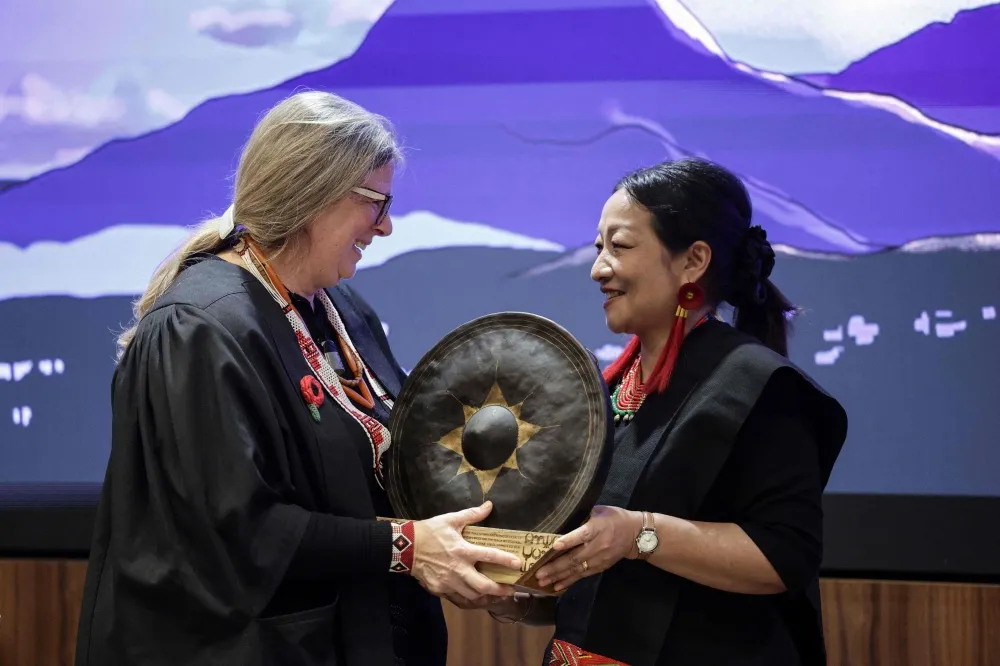
Oxford’s Pitt Rivers Museum has handed back the remains of 39 Naga people taken during British colonial rule.
KEY POINTS
- Oxford’s Pitt Rivers Museum returned 39 Naga ancestral remains on 9 November 2026
- Almost 30 Naga community members travelled from Nagaland to Britain for the ceremony
- The remains are mainly skulls collected between about 1910 and 1940
- Oxford’s governing council approved the return of 39 remains on 13 July 2026 but refused one further ancestor
- Naga leaders plan to bury the remains together under a joint memorial in a park
Oxford University’s Pitt Rivers Museum returned the remains of 39 Naga people to community representatives on 9 November 2026. The remains were taken during British colonial rule in India and are mainly skulls.
Almost 30 people from Nagaland travelled to Britain for the handover ceremony. Museum director Laura Van Broekhoven described the event as a historic moment that will be part of stories told to future generations.
“We shall put them to respectful rest.”
The museum said both sides signed a formal agreement on the handover. The remains were already on their way to Heathrow airport after the museum overcame what the director called so much red tape everywhere.
Naga tribal leaders plan to bury the remains together under a joint memorial in a park. Tribal leader Thejao Vihienuo said they shall put them to respectful rest.
Oxford’s records show most remains arrived between about 1910 and 1940 through British colonial administrators John Henry Hutton and James Philip Mills. Some had been displayed in the museum before all human remains were removed from display in 2020.
Oxford’s governing council approved the return of 39 remains on 13 July 2026 but turned down the request for one further ancestor. The museum still has around 2,700 human remains in storage.
The return is part of a broader trend among Western museums reassessing how they acquired exhibits from other cultures, particularly human remains, and in some cases returning them.
2 more sources below
COMMENTS (0)
No comments yet. Be the first.
RELATED STORIES

Russia's Novaya Gazeta shuts down after 33 years under state pressure
The independent Russian newspaper closed its Moscow office on November 9 following eviction and pressure from authorities and security services.
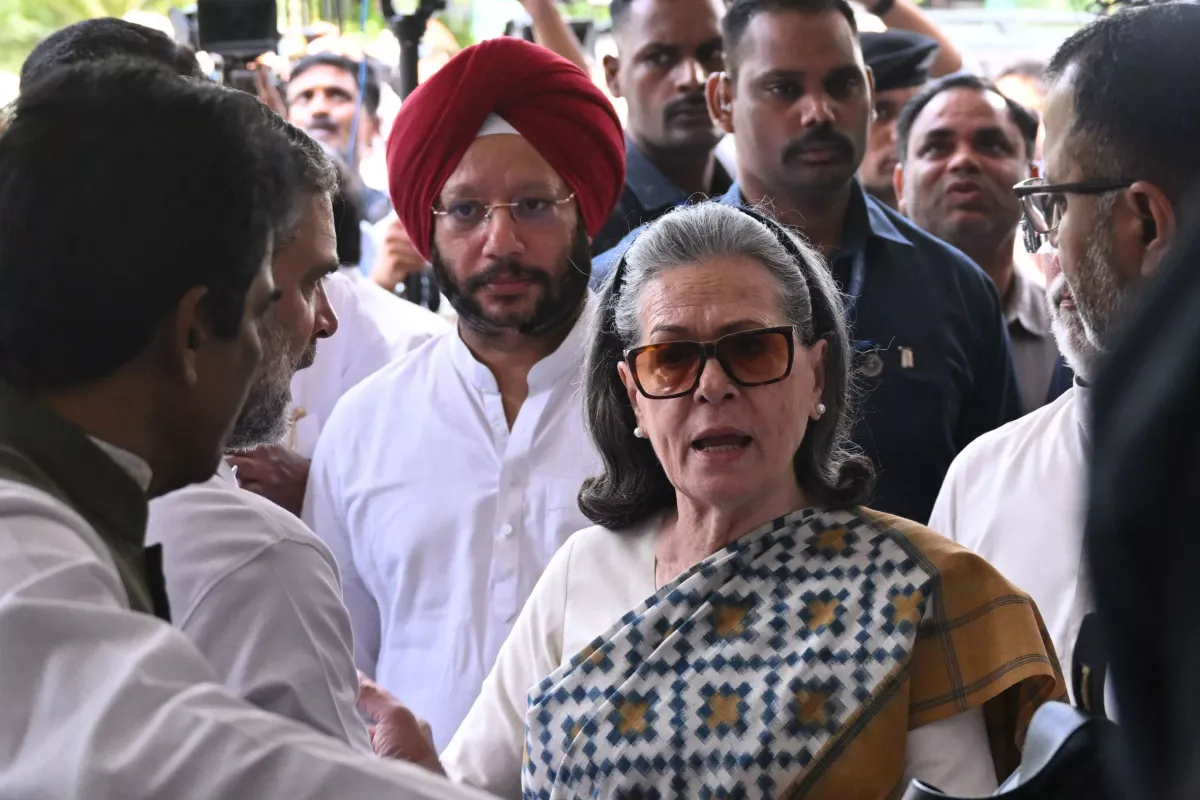
BJP labels Sonia Gandhi memoir whitewashing over Emergency remarks
BJP national spokesperson C R Kesavan says Gandhi's book Belonging attempts to justify the 1975 Emergency and shield the Nehru-Gandhi family.
British celebrity may be named after missing appeal deadline in sexual misconduct case
A British celebrity accused of sexual misconduct could be identified after failing to appeal a High Court ruling by Monday's deadline.
- Cult leader gets 200 years for Shakahola starvation deaths
- Royal couple to attend Toledo funeral for 69 Urda train crash victims
- Meghan Skips Brussels Speech After Father's Arrest, Harry to Speak Alone
- Peru unveils 14-meter statue honoring Peruvian-born Pope Leo XIV ahead of papal visit
- Ataturk commemorated in Malatya and Erzincan on 88th anniversary of his death
This page was compiled with AI assistance from the outlets named above and passed an automated language check before publication. Montegre has no reporters of its own; the byline names the outlets the story was compiled from. Method and editorial standards