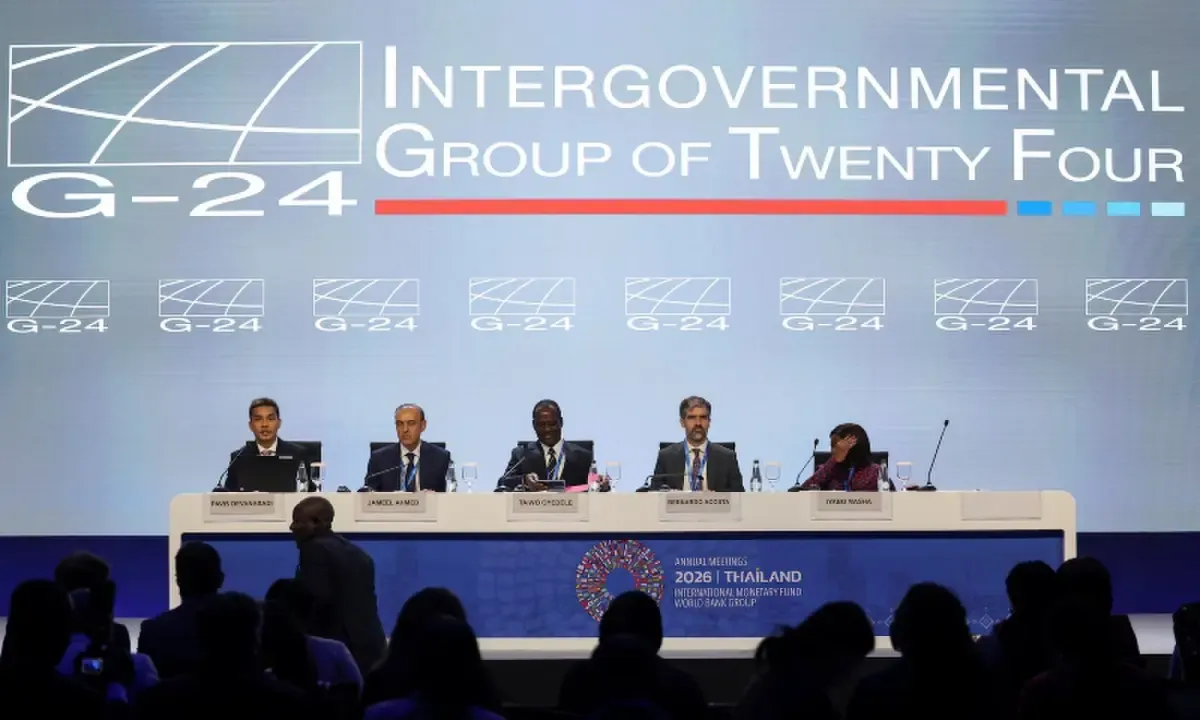
Pakistan Assumes G-24 Chairmanship to Lead Developing Nations
Finance Minister Aurangzeb takes over G-24 leadership from Nigeria to advocate for fairer global financial policies.
KEY POINTS
- Pakistan assumed G-24 chairmanship from Nigeria on Sunday
- Finance Minister Muhammad Aurangzeb leads the bloc
- Three priorities: development-centered policymaking, multilateral frameworks, affordable financing
- Prime Minister Shehbaz Sharif called it a major diplomatic milestone
- Focus on IMF, World Bank, and Bretton Woods institutions
Pakistan officially assumed the chairmanship of the Group of 24 (G-24) on Sunday, taking over the role from Nigeria. Finance Minister Muhammad Aurangzeb will now lead efforts to amplify the voice of developing economies and push for fairer financial policies at the IMF and World Bank.
The G-24 is an intergovernmental coalition of developing countries established in 1971 to coordinate positions on international monetary and financial issues. Pakistan previously served as the group's First Vice-Chair before assuming the leadership role.
“The future of developing economies is not peripheral to the future of the global economy. It is central to it.”
Aurangzeb described the chairmanship as a profound responsibility and called for renewed international cooperation and stronger multilateral institutions. He emphasized that the future of developing economies is central to the future of the global economy, not peripheral to it.
The finance minister outlined three strategic priorities for Pakistan's tenure: placing development at the center of global economic policymaking, strengthening multilateral frameworks, and advancing a development-oriented international financial architecture. He stressed that macroeconomic stability must underpin investment, productivity, employment, and shared prosperity.
Prime Minister Shehbaz Sharif congratulated Pakistan on what he called a major diplomatic milestone. He praised Aurangzeb and the Ministry of Finance team for their efforts, noting that it reflects Pakistan's growing engagement and standing in global economic affairs.
The new responsibility comes with the challenge of turning diplomatic influence into meaningful financial reforms. Developing countries are currently grappling with mounting debt, expensive borrowing, climate-related disasters, and persistent economic instability.
Aurangzeb highlighted the immense potential of emerging and developing nations as drivers of investment, innovation, entrepreneurship, and global growth. He also advocated for greater responsiveness of Bretton Woods institutions to the evolving needs of their members.
2 more sources below
COMMENTS (0)
No comments yet. Be the first.
RELATED STORIES
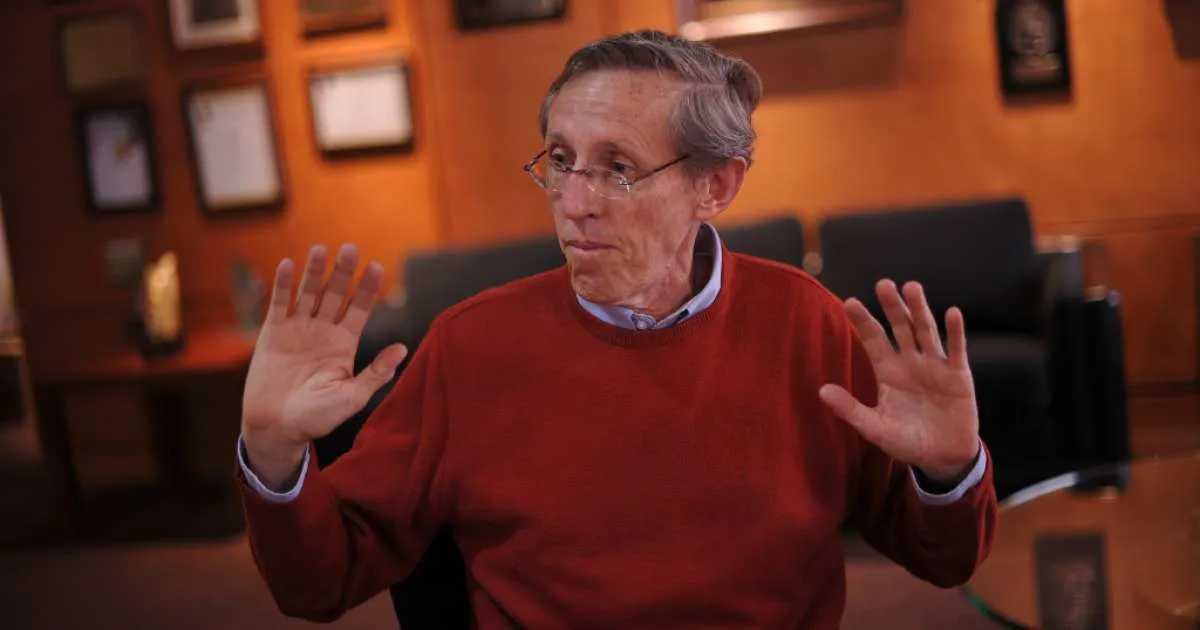
Antonio Navarro Wolff, former M-19 leader and 1991 constitution president, dies at 78
Antonio Navarro Wolff, former president of Colombia's 1991 National Constituent Assembly, died at age 78 on Sunday, his family confirmed.

Consumer groups demand inclusion in Supreme Court hearing on online betting ban
Eight consumer defense organizations ask Justice Luiz Fux to allow their representatives at Tuesday's public hearing on Provisional Measure 1,394/2026.
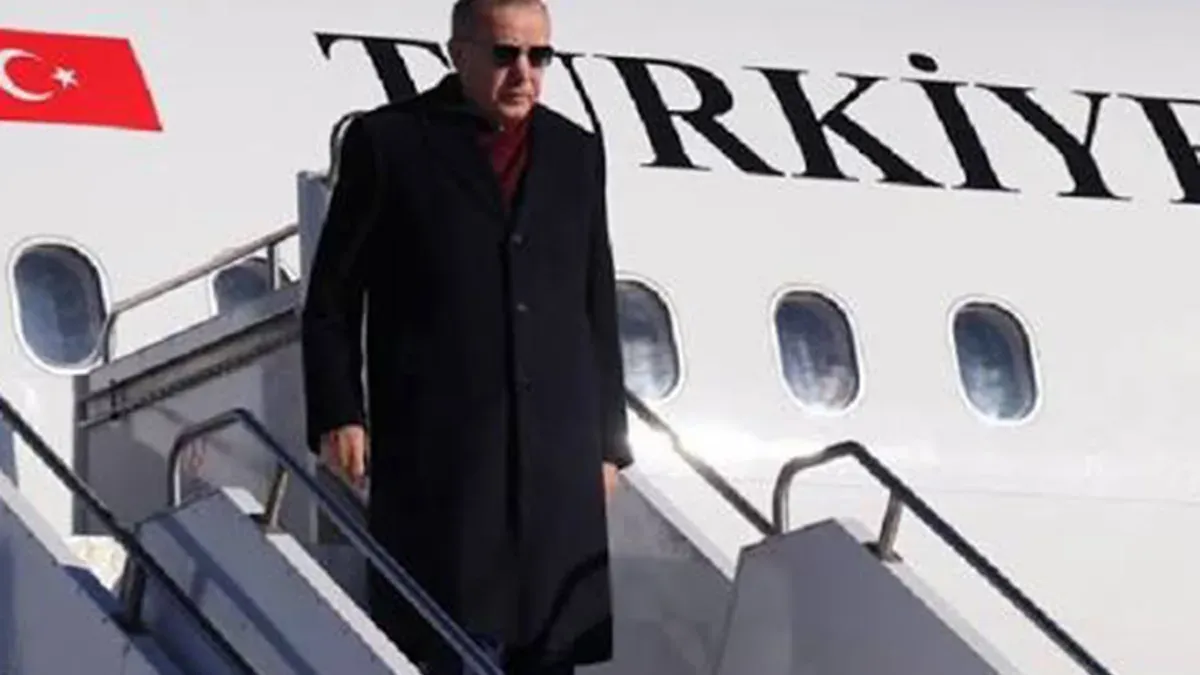
Turkish President to Visit South Korea as Deputy President Assumes Acting Role
President Recep Tayyip Erdoğan will visit Seoul from November 2 to 4, 2026, while Vice President Cevdet Yılmaz serves as acting president under Article 106 of the Constitution.
- Takasbank Chief Gives Statement as Suspect in Fund Scandal, Then Resigns
- Malatya Mayor Says Reconstruction and Infrastructure Work Transforms City
- US midterm elections could reshape Washington and affect Brazil and Argentina
- US Court Filing Says ICE Will Not Monitor Midterm Polls
- STF ministers feared Bolsonaro release before runoff, columnist says
This page was compiled with AI assistance from the outlets named above and passed an automated language check before publication. Montegre has no reporters of its own; the byline names the outlets the story was compiled from. Method and editorial standards