Pope Leo XIV Undergoes Lung Surgery for Adenocarcinoma
The Vatican confirmed the removal of the lower lobe of the right lung after a 90-minute procedure at Rome's Gemelli Hospital.
KEY POINTS
- Pope Leo XIV, 71, had lower lobe of right lung removed Tuesday at Gemelli Hospital in Rome.
- Vatican confirmed diagnosis of pulmonary adenocarcinoma, most common non-small cell lung cancer subtype.
- Surgery lasted 90 minutes using video-assisted technique; completed without complications per Holy See.
- Argentine expert notes lesion was only 3mm; likely no further treatment needed if no node invasion.
- Pontiff returned to hospital room on tenth floor after brief post-operative observation.
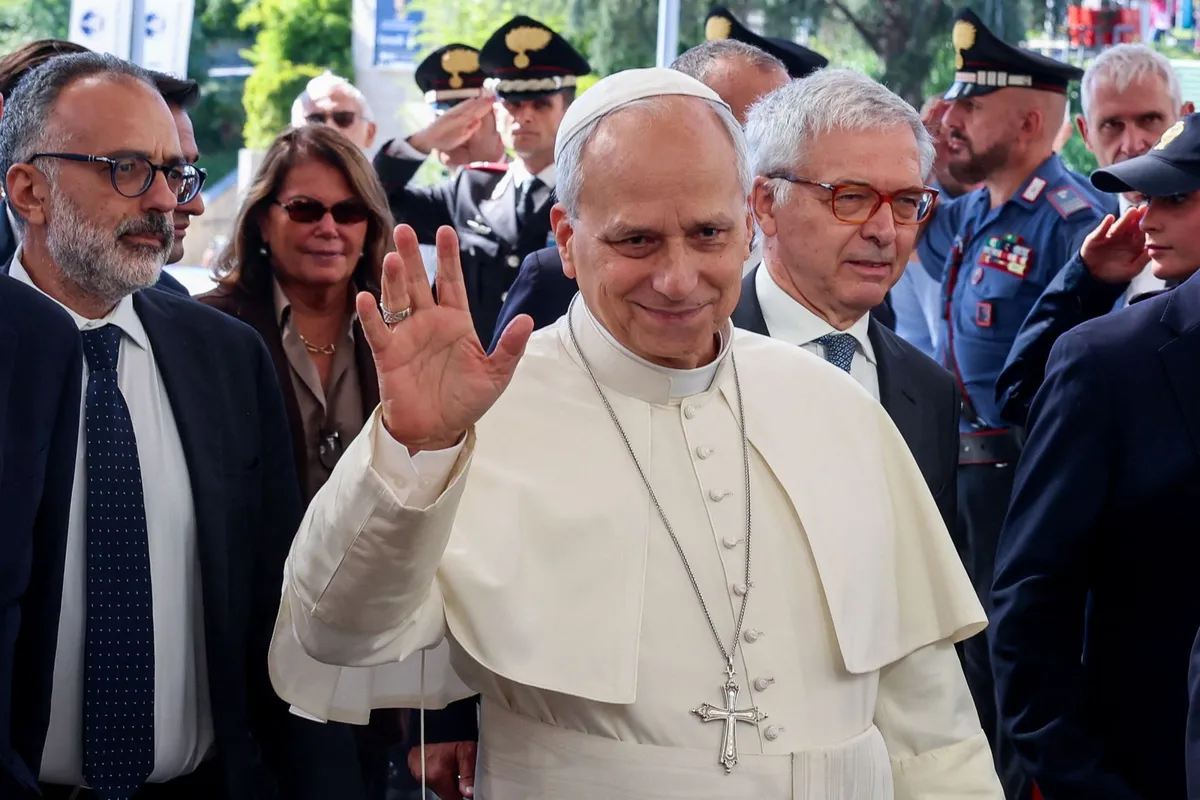
Pope Leo XIV, 71, underwent successful surgery on Tuesday at the Policlinico Gemelli in Rome to remove the lower lobe of his right lung. The Vatican stated the 90-minute procedure confirmed pre-operative suspicions of pulmonary adenocarcinoma, the most common subtype of non-small cell lung cancer.
The operation was performed using a video-assisted technique led by thoracic surgeon Stefano Margaritora. According to the Holy See, the intervention concluded without complications and the pontiff returned to his room on the tenth floor after a brief observation period.
“It is very tiny: three millimeters. That is why I did not think it was lung cancer.”
Argentine pulmonologist Ana María Putruele noted the lesion was surprisingly small at three millimeters. She suggested that, absent invasion of lymph nodes or the mediastinum, the Pope likely will not require further specific treatment such as chemotherapy or radiotherapy.
The Vatican had initially described the growth as a "small nodule" earlier in the day. While most pulmonary nodules are benign, a small percentage can indicate early cancer. Risk factors include smoking, air pollution, and genetic susceptibility, though the disease also occurs in non-smokers.
5 more sources below
COMMENTS (0)
No comments yet. Be the first.
RELATED STORIES
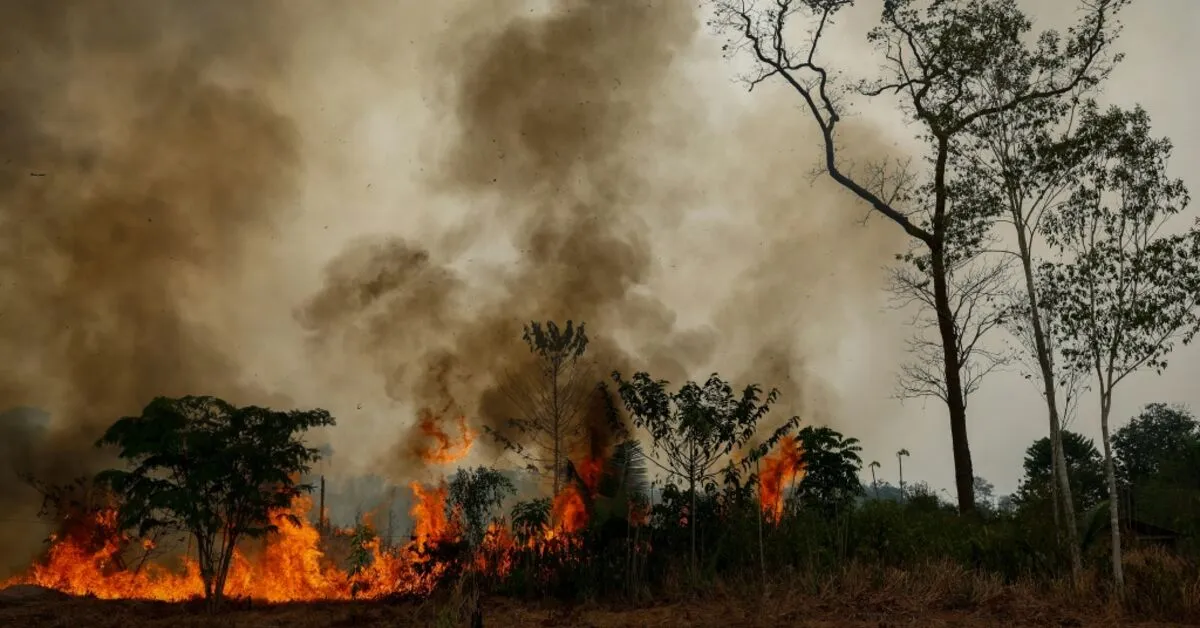
Strong El Nino Drives Fires, Haze, Power Cuts Across Asia and Amazon
Exceptional weather cycle triggers regional crises from Indonesia to Myanmar and Brazil this week.
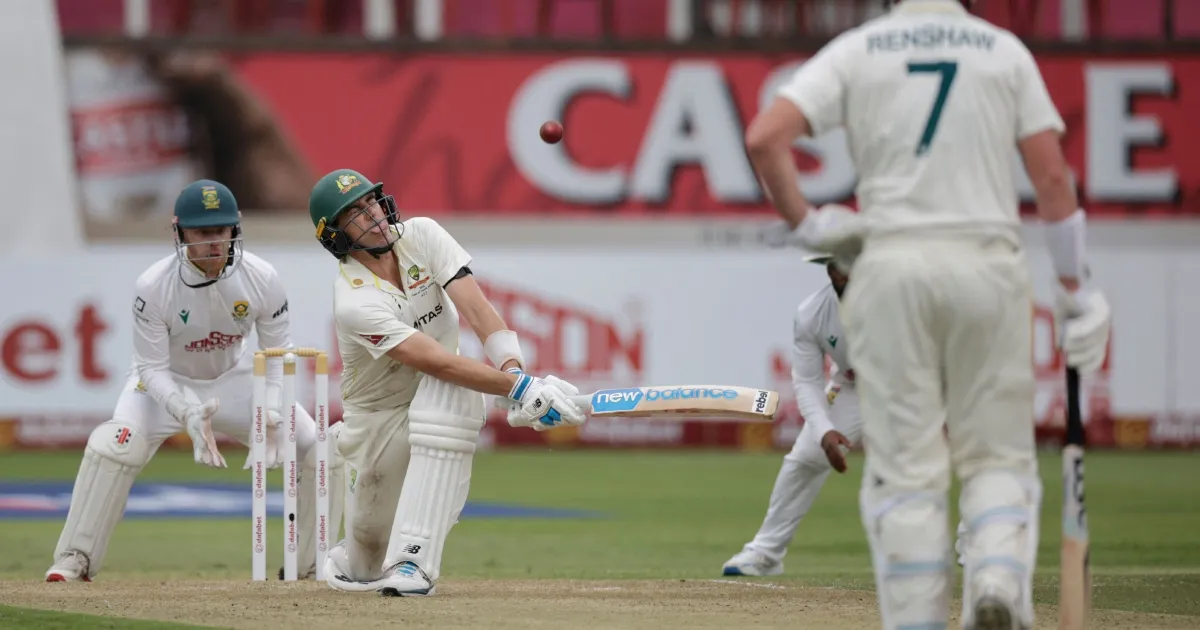
Renshaw 190 rescues Australia to 390; Smith breaks catch record
Matt Renshaw's marathon 190 and Steve Smith's record 223rd catch put Australia in command of the first Test in Durban.
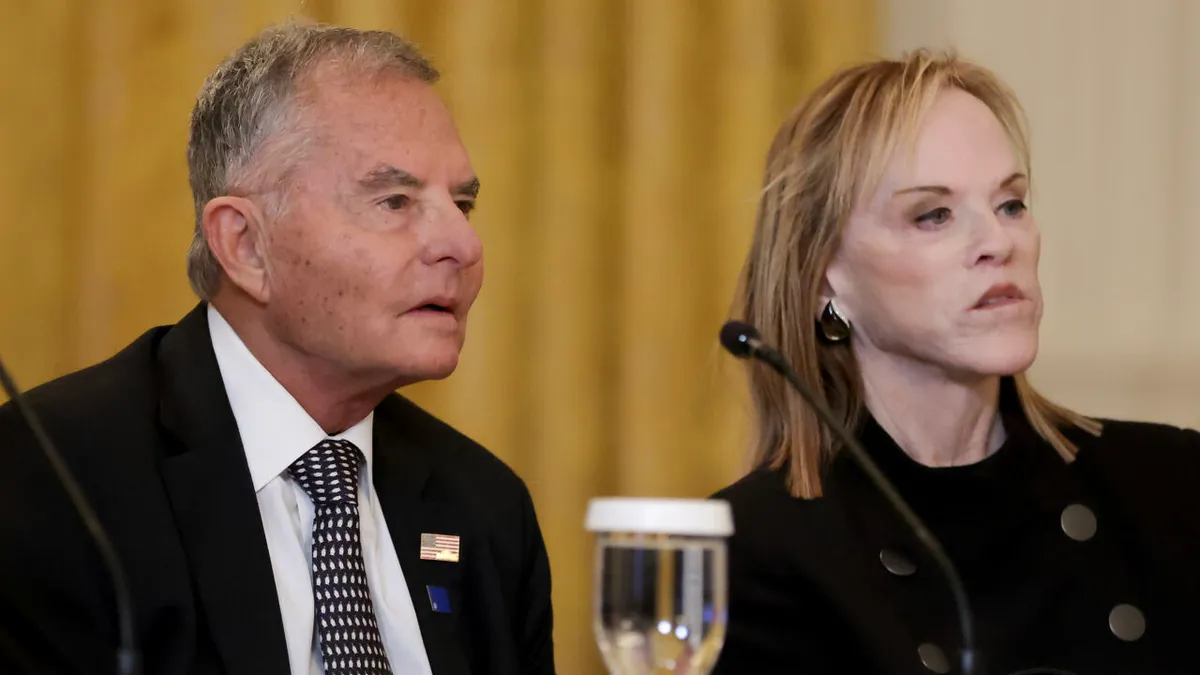
Susan Dell's White House Appearance Sparks Online Frenzy Over Looks
Social media users fixated on the philanthropist's appearance during a $6.25 billion donation event, fueling speculation about cosmetic procedures and wild conspiracy theories.
- Selma Blair Arrested After Alleged Assault on Delta Flight Crew
- Breaking Bad actor RJ Mitte dies at 34 in Texas
- Cem Yılmaz Returns for Check-Up 40 Days After Heart Attack
- Two Deadly Shootings in Istanbul and Alanya Leave Three Dead, Five Wounded
- Talarico Returns to Campaign After Flu, GOP 'Proof of Life' Demands
This page was compiled with AI assistance from the outlets named above and passed an automated language check before publication. Montegre has no reporters of its own; the byline names the outlets the story was compiled from. Method and editorial standards