Senate Approves Mental Health Law Reform and Sends It to Deputies
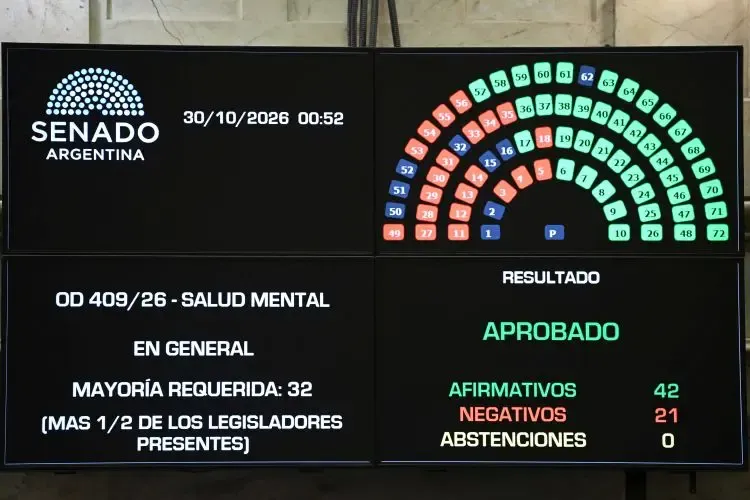
The Senate passed changes to the 2010 mental health law by 42 votes to 21, maintaining the ban on asylums and prioritizing psychiatric care.
KEY POINTS
- Senate approved mental health law reform with 42 votes in favor and 21 against
- Ban on creating asylums established in 2010 remains in force
- Project prioritizes psychiatrists and includes psychologists in interdisciplinary groups
- Public hospitalizations increased by 70 percent after the pandemic
- Initiative moves to the Chamber of Deputies for review
The Senate approved a reform of the National Mental Health Law and sent it to the Chamber of Deputies for review. The vote took place shortly before 1 a.m. and ended with 42 votes in favor and 21 against.
The initiative was sent by the Executive Power but underwent severe modifications in the Senate chamber. The ruling party and its allies provided the affirmative votes, while all opposing votes came from kirchnerismo.
“We cannot make a law that promises what it cannot fulfill.”
The approved text no longer includes the Executive's intention to lift the ban on creating asylums established by the 2010 law. That restriction remains in force, and hospitalization is considered an exceptional measure.
The project modifies criteria for involuntary hospitalizations, addictions, and medical teams responsible for complex decisions. It prioritizes psychiatrists, although the contribution of psychologists in interdisciplinary groups was agreed upon in recent hours.
Ivanna Arrascaeta, president of the Health Commission, cited alarming figures on public hospitalizations, noting a 70 percent increase after the pandemic. She described current results as insufficient to ensure the effectiveness of rights.
Guillermo Andrada warned that a law cannot promise what it cannot fulfill due to lack of resources. He also demanded national funding guarantees for the provinces.
The initiative now moves to the Chamber of Deputies, where it will continue its legislative process.
3 more sources below
TOPICS
COMMENTS (0)
No comments yet. Be the first.
RELATED STORIES

Israel's President Herzog Faces Key Decision After Inconclusive 2026 Elections
President Isaac Herzog must choose a candidate to form Israel's next government following a legislative vote that produced no clear majority.
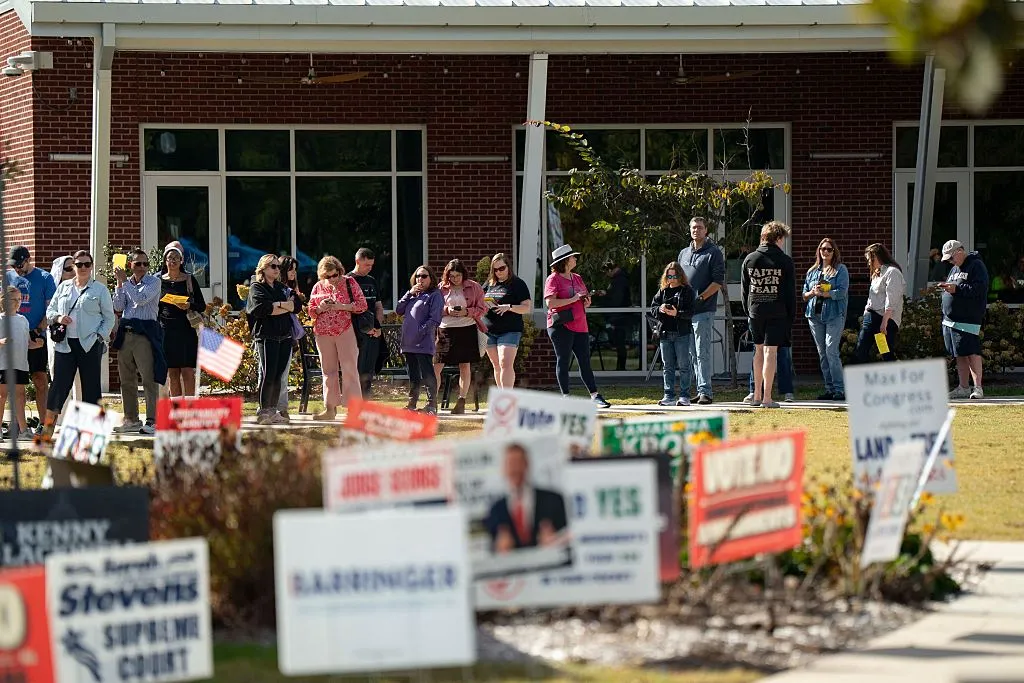
Early Voting Surge in US Midterms Exceeds 43 Million Ballots
More than 43 million Americans have already cast ballots ahead of the November 3 midterm elections.
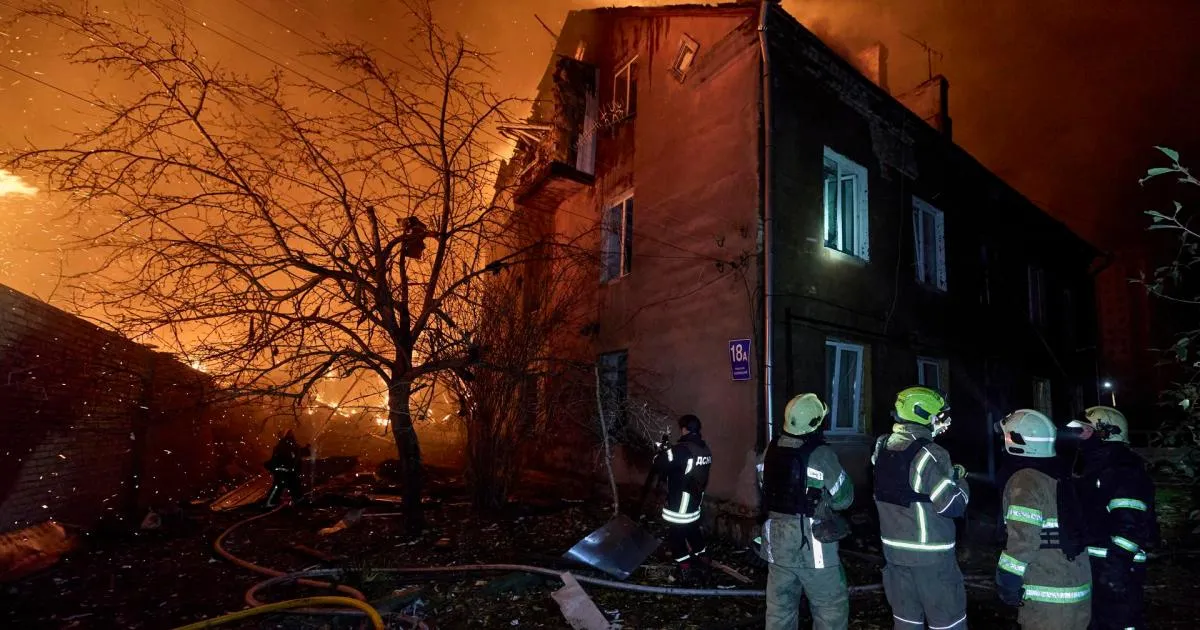
Colombia reports 256 citizens dead and 973 missing in Russia-Ukraine war
Colombian Foreign Ministry releases casualty and consular assistance figures from the Russia-Ukraine conflict.
- China's anti-corruption purge reaches top officials ahead of key party meeting
- Ankara hosts 13th Organization of Turkic States summit
- Canada Unveils First National Security Strategy in Over 20 Years
- Philippine business groups demand removal of unjustified budget insertions in proposed 2027 national budget
- Explosion near Colombia-Venezuela bridge injures six people
This page was compiled with AI assistance from the outlets named above and passed an automated language check before publication. Montegre has no reporters of its own; the byline names the outlets the story was compiled from. Method and editorial standards