Serbian opposition election win raises questions over Russian gas ties
Serbia's student-backed opposition victory puts Russian gas transit and Moscow's regional influence at risk.
KEY POINTS
- Vucic lost Serbia's election to a student-backed opposition movement
- Serbia has relied on Russian gas via Gazprom and avoided EU sanctions on Russia
- Russian gas reaches Hungary through Serbia via the Turkish Stream pipeline
- The opposition platform calls for an end to lithium mining and a shift to renewables
- EU states face a Russian gas import ban from October 2027, but Serbia is exempt
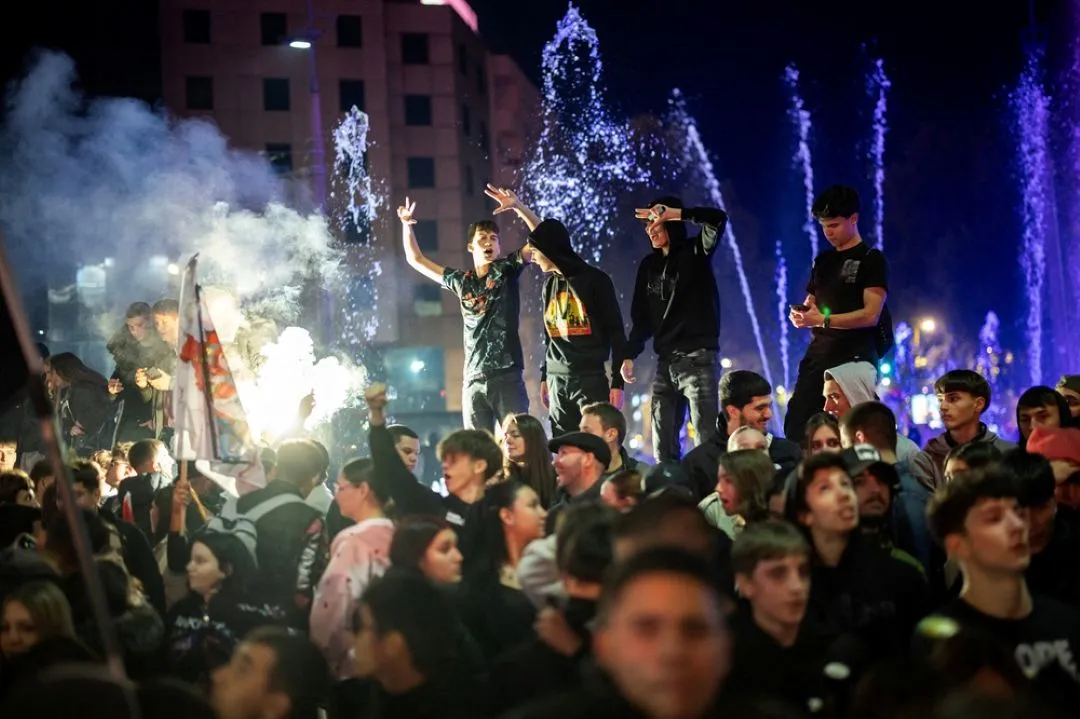
Aleksandar Vucic lost Serbia's presidential election on Sunday to a student-backed protest movement, ending his time as prime minister or president since 2014. The defeat prompted nationwide celebrations across Serbia on Monday.
Moscow viewed Serbia as a crucial European ally and a bulwark against European Union efforts to contain Russia over the war in Ukraine. Vucic had maintained close ties with President Vladimir Putin and developed close economic, political and military links with Moscow.
“For our part, we intend to continue to do everything we can to foster the development of our relations with Belgrade. But, as you know, it takes two to tango.”
Serbia buys large quantities of gas from Russian energy giant Gazprom and has not signed up to EU-backed sanctions on Russia over Ukraine. Hungary receives Russian natural gas via Serbia through the Turkish Stream pipeline, with 3.5 billion cubic meters delivered annually since October 2021.
Serbia has stored 500 million cubic meters of natural gas in Hungary each year since transit through Serbia began. The arrangement benefits both countries but represents significant exposure for Serbia.
The Serbian Student Party's 11-point platform aims to halt lithium mining plans, boost renewable electricity generation and move away from fossil fuels. The party supports closer EU ties but would not impose economic sanctions on Russia and regards pragmatic cooperation with Moscow as a national interest.
EU member states will be unable to purchase Russian gas starting in October 2027 due to sanctions, though the ban does not apply to Serbia because it is not an EU member. The Kremlin said it took note of the election result and hopes new political forces will understand that cooperation with Russia serves Serbia's interests.
2 more sources below
COMMENTS (0)
No comments yet. Be the first.
RELATED STORIES
Mayors Mark 103rd Republic Day Anniversary in Separate Messages
Mayors of Talas and Kocaeli issue Republic Day messages honoring Mustafa Kemal Atatürk and the War of Independence.
Greek women of Pindus carried supplies to front-line soldiers in 1940 war
Women from mountain villages transported food, ammunition and clothing to Greek troops resisting the Italian invasion in October 1940.

Richarlison mocks Flavio Bolsonaro over Angra mansion dispute
Brazil forward celebrates Lula's election win and ridicules rival's loss of luxury property rights.
- Turkey ready to sign maritime boundary deal with Egypt, defense ministry says
- UK Budget may exempt poorest state pensioners from income tax
- Flávio Bolsonaro Enters Argentina and Flies to Ecuador Despite Travel Ban
- Trump Campaigns for Hyde-Smith as Democrats Target Mississippi Senate Seat
- Trump to scrap Biden methane rules, saving $45 billion in energy costs
This page was compiled with AI assistance from the outlets named above and passed an automated language check before publication. Montegre has no reporters of its own; the byline names the outlets the story was compiled from. Method and editorial standards