Spain's King Felipe VI visits Ceuta amid migration crisis and diplomatic tension
First royal visit to the North African enclave in 20 years follows July influx of over 70,000 migrants and Moroccan criticism of bilateral cooperation.
KEY POINTS
- King Felipe VI makes first Spanish royal visit to Ceuta in 20 years, staying overnight for first time since 1927
- Visit follows July influx of over 70,000 migrants from Morocco, described by PM Sánchez as attack on territorial integrity
- Morocco's King Mohammed VI declares bilateral migration cooperation model "obsolete" citing Spanish laws and court rulings
- Trip occurs seven weeks before November 29 snap elections with migration as key campaign issue
- Ceuta residents criticize delayed royal response and feelings of state abandonment during crisis
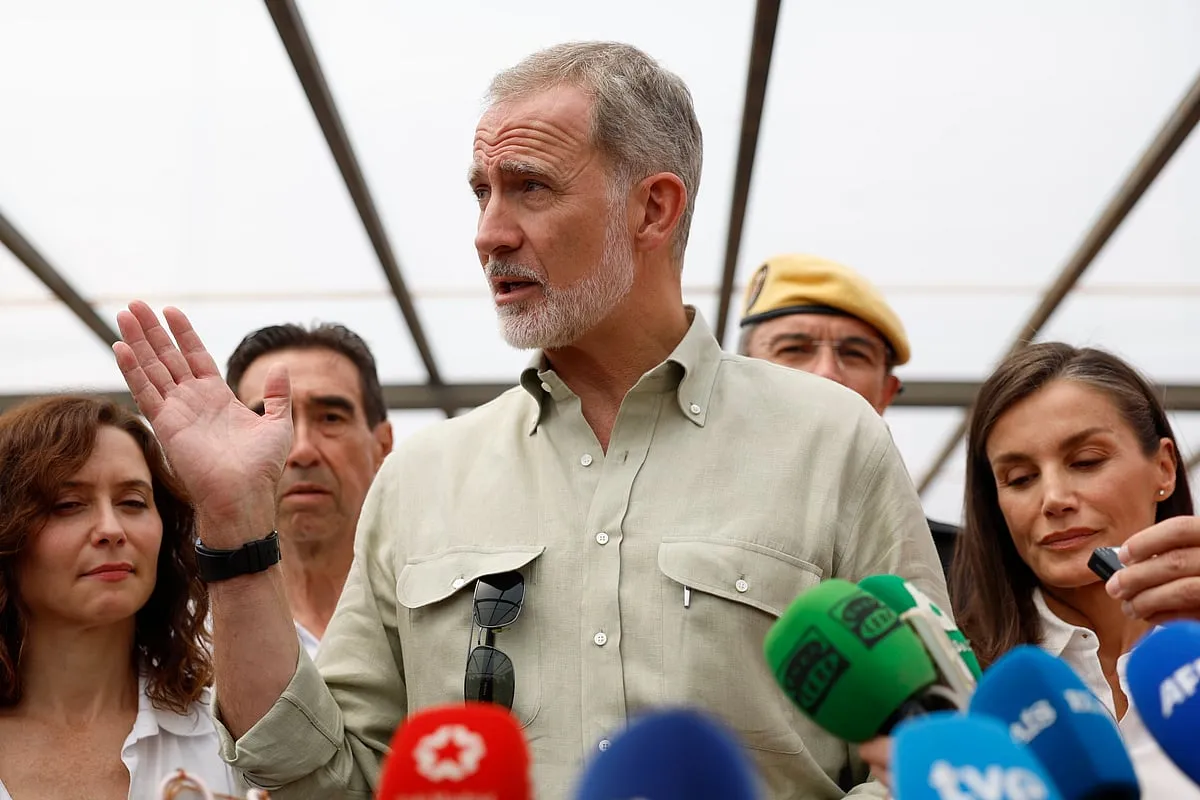
King Felipe VI arrived in Ceuta on Tuesday for the first visit by a Spanish head of state to the North African enclave in two decades. The trip comes two and a half months after more than 70,000 migrants entered the territory illegally from Morocco in late July, an event Prime Minister Pedro Sánchez described as an attack on Spain's territorial integrity.
The King and Queen Letizia are scheduled to spend the night in Ceuta, marking the first time a Spanish monarch has slept in the enclave since 1927. They will travel to Melilla, Spain's other North African enclave, on Wednesday. The last royal visit in 2007 by Juan Carlos I triggered a diplomatic crisis that led Morocco to temporarily withdraw its ambassador from Madrid.
“The king should have come on the first or second day. And he should have come in his commander-in-chief uniform. For Ceuta's residents, that would have been the indisputable sign that the state was present.”
The visit takes place less than seven weeks before snap general elections on November 29, with migration shaping up as a central campaign issue. Sánchez's government has faced criticism from both left and right over its handling of the July crisis, including delays in repatriating minors and the prolonged presence of thousands of migrants in streets and shelters.
Morocco's King Mohammed VI used his parliamentary opening address last Friday to declare the current bilateral migration cooperation model "obsolete." He cited Spanish legislation and a July 8 Supreme Court ruling on the protection of minors as obstacles to repatriations, accusing the legal framework of fueling criminal trafficking networks.
Residents in Ceuta, a city of roughly 80,000 people, have expressed feelings of abandonment by the central state. Local activist Susana Román told AFP the King should have visited immediately after the July influx wearing his military uniform as commander-in-chief to signal state presence.
Authorities have established reception centers to manage the remaining migrant population, though tensions persist between locals and migrants. The royal itinerary is coordinated with the central government, reflecting the delicate diplomatic balances required with Rabat.
2 more sources below
COMMENTS (0)
No comments yet. Be the first.
RELATED STORIES

Tahir Büyükakın Named People's Alliance Candidate for TBB Deputy Chair Election
Kocaeli mayor will run in the extraordinary assembly on Oct. 15 after the detention of Mersin's mayor triggered a new vote.
Efkan Ala Opens Academic Year at Uludag University with 'Terror-Free Turkey' Lecture
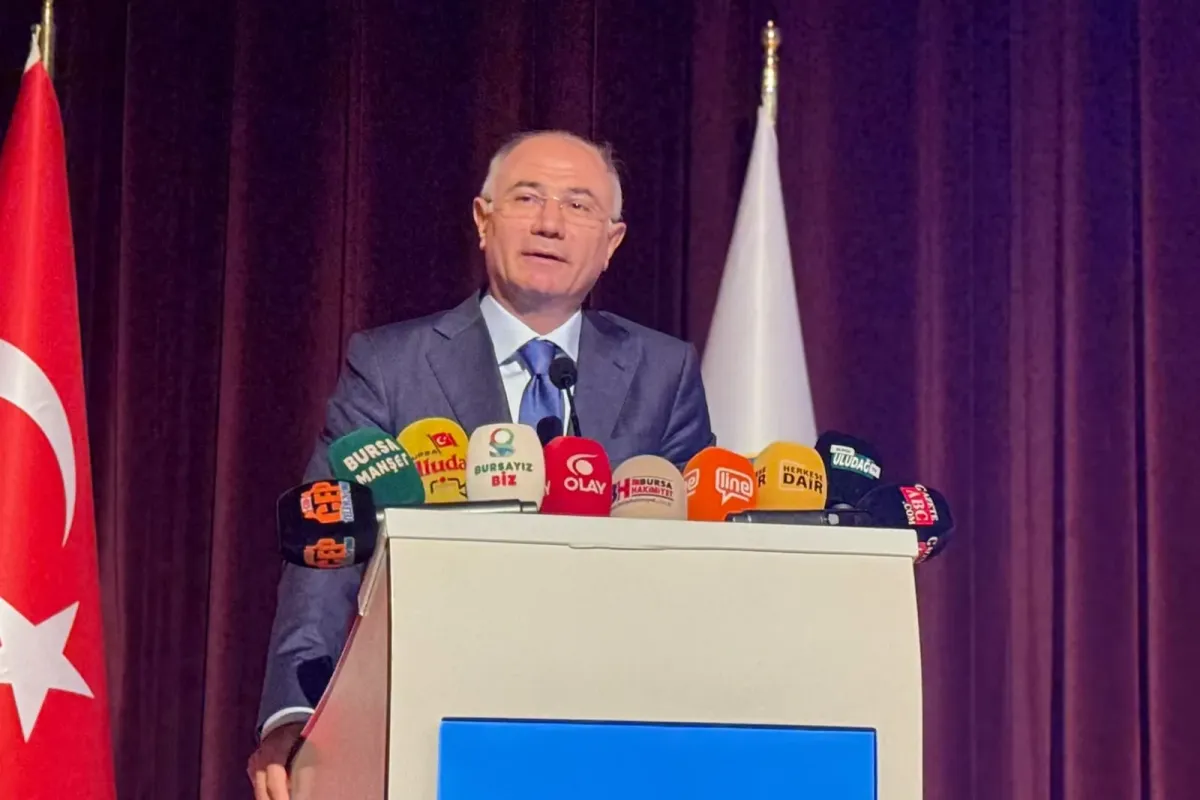
AK Party Deputy Chair Efkan Ala delivered the inaugural lecture at Bursa's Uludag University, emphasizing national self-confidence, brain gain, and ending internal conflict.

CJP founder Dipke detained in Delhi as grandmother dies in Maharashtra
Abhijeet Dipke's family questions police after he was held during a protest while his grandmother passed away in Hingoli.
- NATO Commander Warns Russia: Alliance Will 'Break' Any Attacking Force
- US Arrests Colombian Businessman in Venezuelan Corruption Case
- Özer Matlı Wins BTSO Presidency with 82 Votes
- Mudanya Armistice 104th Anniversary Marked with Symposium and Ceremony
- PTI Long March Enters Seventh Day as KP Chief Minister Defies Federal Warnings
This page was compiled with AI assistance from the outlets named above and passed an automated language check before publication. Montegre has no reporters of its own; the byline names the outlets the story was compiled from. Method and editorial standards