Spain's Sanchez Calls Snap Election for Nov. 29 Amid Housing Crisis
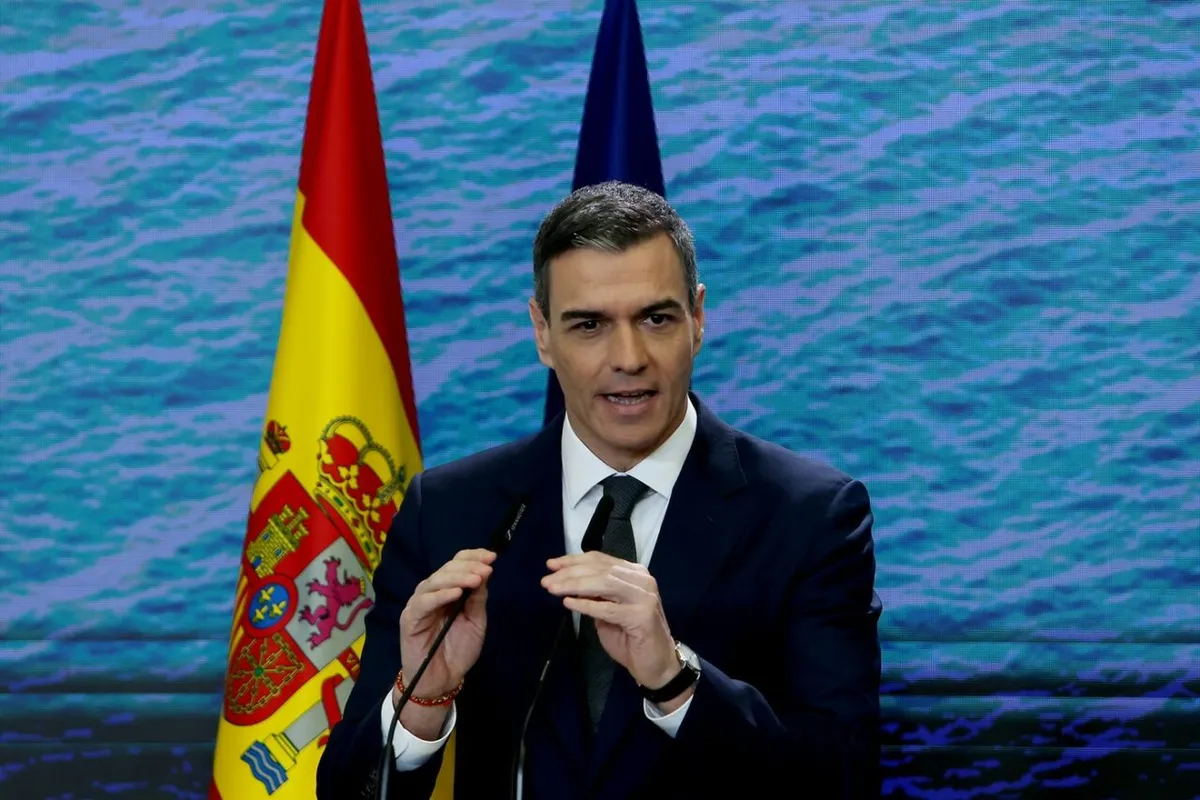
Prime Minister Pedro Sanchez dissolved parliament after lawmakers rejected housing decrees, setting up a high-stakes vote that polls show the conservative opposition is favored to win.
KEY POINTS
- Sanchez called snap election for November 29 after parliament rejected housing decrees
- Polls show conservative PP leading with ~34% vs Socialists' ~26%; Vox projected at ~18%
- Housing crisis triggered by eviction of 87-year-old woman; rent raised from 500 to 2,650 euros
- PP leader Feijoo frames vote as referendum on Sanchez's eight years in power
- Election could bring far-right Vox into central government for first time since Franco era
Spanish Prime Minister Pedro Sanchez announced on Monday a snap general election for November 29, nine months ahead of schedule. The decision follows parliament's rejection last Friday of two government decrees aimed at addressing a severe housing crisis that has sparked nationwide protests.
Sanchez acknowledged his administration had made mistakes and failed to fulfill all campaign promises. He framed the vote as a choice between a progressive majority and a right-wing coalition led by the People's Party (PP) with support from the far-right Vox party.
“You must decide whether to join the far-right wave that drives regression wherever it governs, or whether you want Spain to remain a bastion of openness, social justice, and environmental responsibility.”
Opinion polls consistently place the PP ahead with roughly 34% support compared to the Socialists' 26%, while Vox is projected around 18%. A PP-Vox alliance would bring a far-right party into central government for the first time since the return of democracy.
The housing crisis escalated after the eviction of 87-year-old Maricarmen Abascal from her Madrid apartment of seven decades. Her rent had been hiked from 500 to 2,650 euros, later reduced to 1,650 euros — still 300 euros above her monthly pension.
PP leader Alberto Nunez Feijoo welcomed the election as a referendum on Sanchez's eight-year tenure. He argued the country needs a "deep change" to address unbearable living costs, inaccessible housing, and uncontrolled immigration.
Sanchez met with King Felipe VI before the announcement to initiate the constitutional dissolution process. The November 29 date is the earliest legally permissible under the electoral calendar.
The prime minister has a history of surviving political crises through fragile coalitions, but he now faces an electorate where the right holds a structural polling advantage.
8 more sources below
COMMENTS (0)
No comments yet. Be the first.
RELATED STORIES

BC NDP Proposes Higher Taxes on Top Earners to Raise $1 Billion Annually
Premier David Eby announced a plan to increase provincial income tax rates for the top two brackets and create a new bracket for incomes over $1 million, affecting 3.88% of earners.
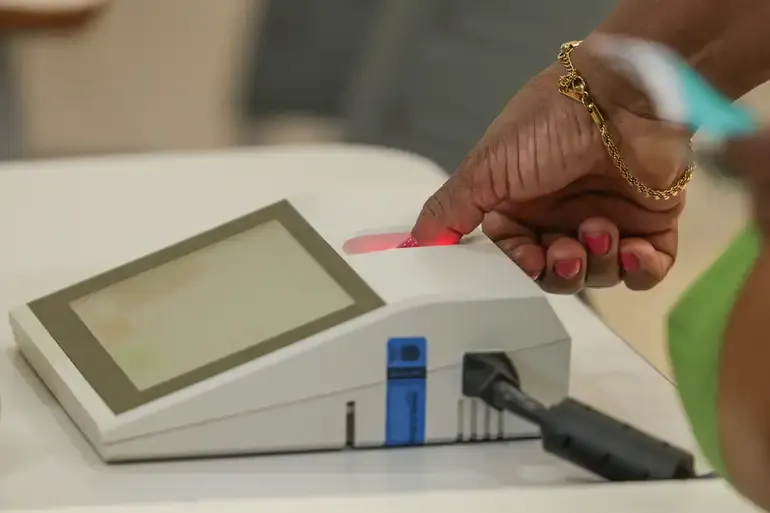
Twenty Brazilian states elect governors in first round; seven head to runoff
Right-wing parties win ten of the 20 decided races, including São Paulo and Minas Gerais, while five states and the Federal District vote again on 25 October.
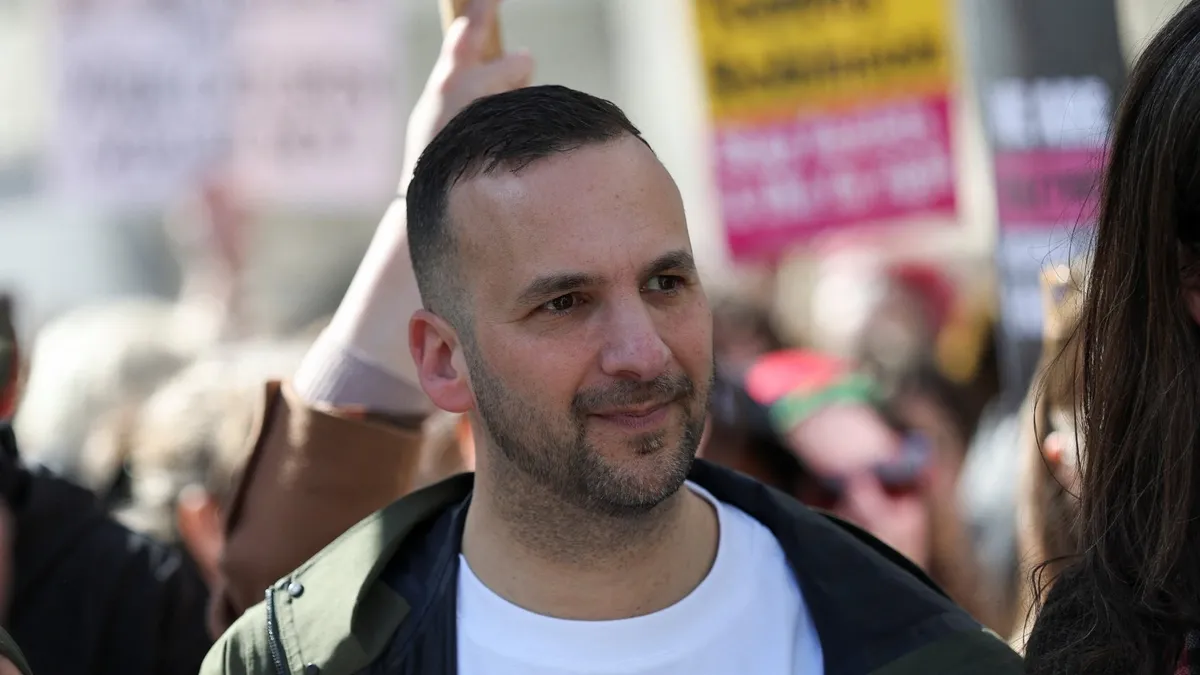
Green Party to vote on motion declaring Zionism racism
Members will decide at the Brighton conference whether to adopt the policy, which would make the Greens the first major UK party to formally equate Zionism with racism.
- Lula heads to runoff behind Flávio Bolsonaro, vows new campaign phase
- Brazil's TSE upholds annulment of Garotinho votes ahead of Rio election
- Turkey Hosts 77th International Astronautical Congress in Antalya
- PL wins 19 Senate seats, becomes largest bloc with 28 members
- Sergio Moro Wins Parana Governorship in First Round
This page was compiled with AI assistance from the outlets named above and passed an automated language check before publication. Montegre has no reporters of its own; the byline names the outlets the story was compiled from. Method and editorial standards