Supreme Court Orders WhatsApp to Submit Digital Arrest Scam Measures
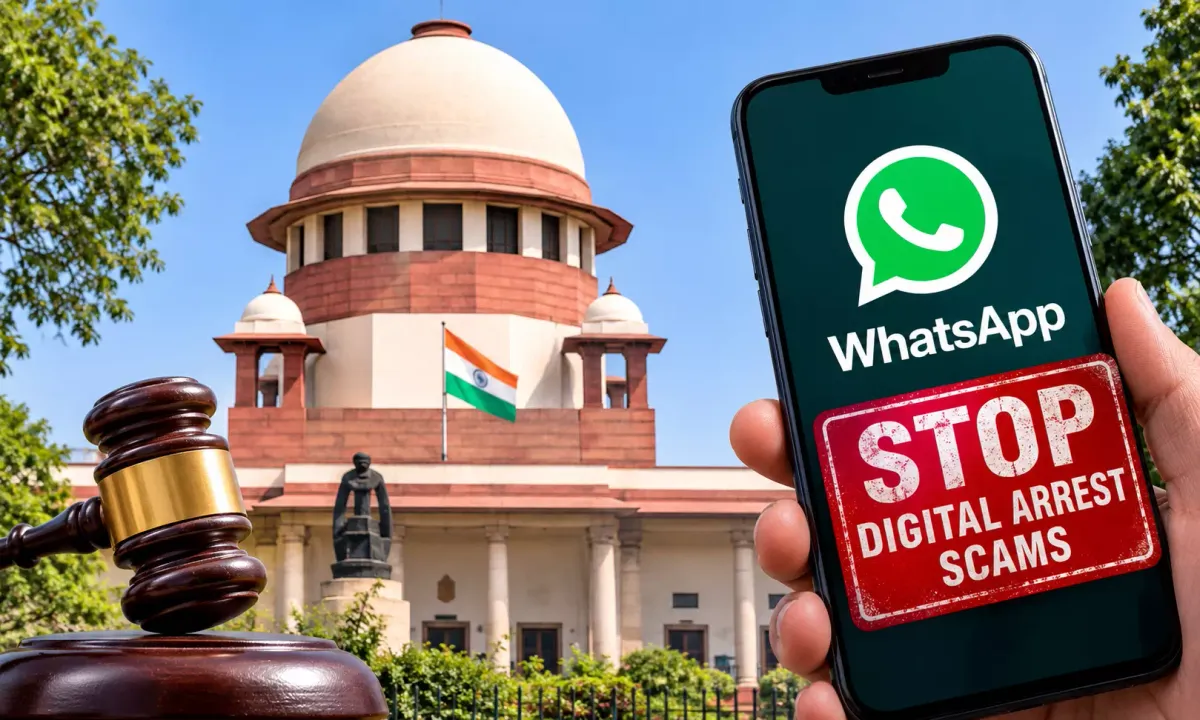
India's top court directs WhatsApp and other intermediaries to propose measures against digital arrest scams and related cybercrimes.
KEY POINTS
- Supreme Court directs WhatsApp and intermediaries to propose anti-scam measures
- Matter listed for further consideration on November 23
- WhatsApp acted against 9,400 accounts and is developing suspicious account detection software
- Court orders financial institutions to compensate victims where due diligence failure is proven
- Proposals must be submitted simultaneously to the Indian Cybercrime Coordination Centre
The Supreme Court of India has directed WhatsApp and other intermediaries to submit proposed measures to prevent digital arrest scams and related cybercrimes. The order stems from a hearing held on October 29 in a suo motu case titled 'In Re: Victims of Digital Arrest Related to Forged Documents'. Chief Justice of India Surya Kant heads the bench, which also includes Justices Joymalya Bagchi and V Mohana.
The court has listed the matter for further consideration on November 23. WhatsApp and other intermediaries must simultaneously submit their proposals to the Indian Cybercrime Coordination Centre (I4C).
“WhatsApp LLC (A Meta company) and other concerned intermediaries are also directed to apprise this Court of the measures they propose to undertake to prevent the digital arrest scams and related cybercrimes.”
Senior advocate Kapil Sibal, representing WhatsApp, informed the bench that the platform has taken preventive measures, including action against 9,400 accounts. WhatsApp will file an affidavit detailing the steps undertaken and is developing software to identify suspicious accounts and warn users.
The bench reiterated that financial institutions must be held accountable for digital arrest scams and other cyber frauds. Banks should compensate victims for losses when an investigation establishes that fraud occurred due to the institution's failure to exercise due diligence.
The court emphasized that Reserve Bank of India regulatory measures must mandate provisions requiring financial institutions to indemnify victims. Compensation must not be less than the amount lost by the customer where institutional failure is established in preventing or reporting the incident.
The order directs WhatsApp LLC, a Meta company, and other concerned intermediaries to apprise the court of their proposed measures. All proposals must be submitted simultaneously to the I4C alongside the court filing.
2 more sources below
COMMENTS (0)
No comments yet. Be the first.
RELATED STORIES
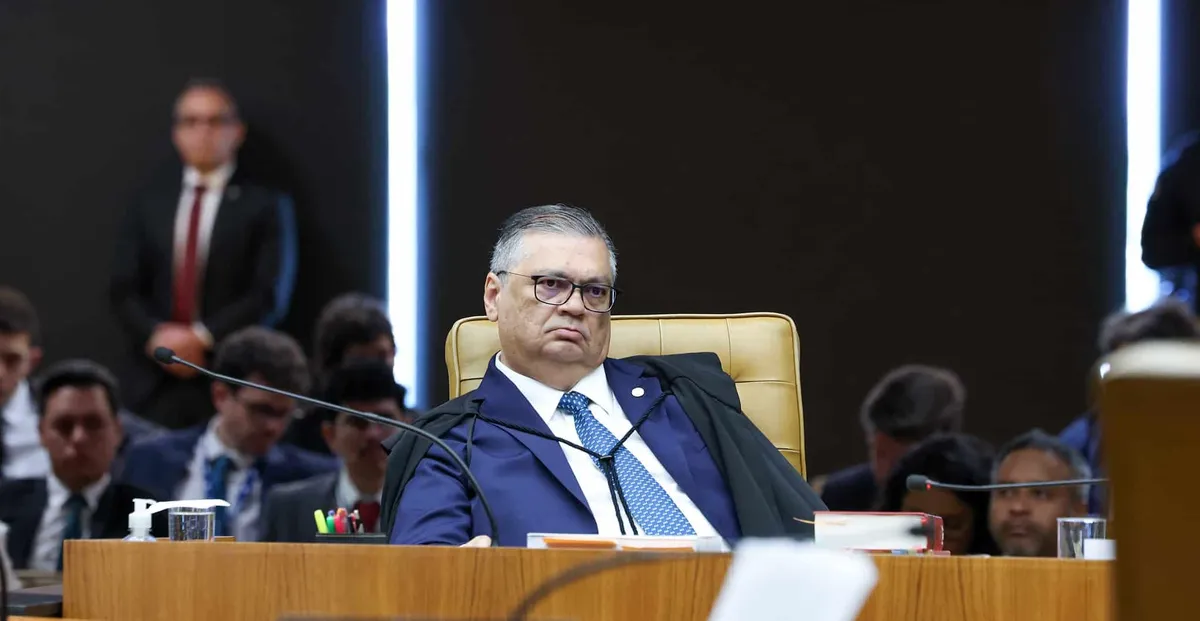
Brazil Supreme Court to Hear 6x1 Workweek Reform Dispute
Supreme Court Minister Flávio Dino convenes a public hearing Tuesday to discuss implementation of the new 40-hour workweek as business groups seek to delay the transition.

British celebrity may be named after missing appeal deadline in sexual misconduct case
A British celebrity accused of sexual misconduct could be identified after failing to appeal a High Court ruling by Monday's deadline.

Jemima Goldsmith Accuses Russell Brand of Violence and Coercive Control
Jemima Goldsmith says she called police to remove Russell Brand from her home after a violent incident in 2014.
- Six doctors sent to trial over suspected deaths at Bucharest hospital
- WhatsApp accounts hijacked in Kocaeli, victims asked for money
- Cult leader gets 200 years for Shakahola starvation deaths
- Leaked Russian records show nearly 400,000 deaths in Ukraine war
- Macron Calls for AI Ban Where It Threatens Children's Health
This page was compiled with AI assistance from the outlets named above and passed an automated language check before publication. Montegre has no reporters of its own; the byline names the outlets the story was compiled from. Method and editorial standards