Supreme Court Rules Internet Access Is a Fundamental Right for Children
India's top court says children cannot be completely barred from the internet and orders a national database to remove child sexual abuse material.
KEY POINTS
- Internet access is a fundamental right for children under Articles 21 and 19(1)(a)
- Complete ban on children's internet use is not justified
- Centre ordered to build a national database to remove child sexual abuse material
- Age-based restrictions and parental oversight may still apply
- Order passed on October 15 in a 137-page judgment
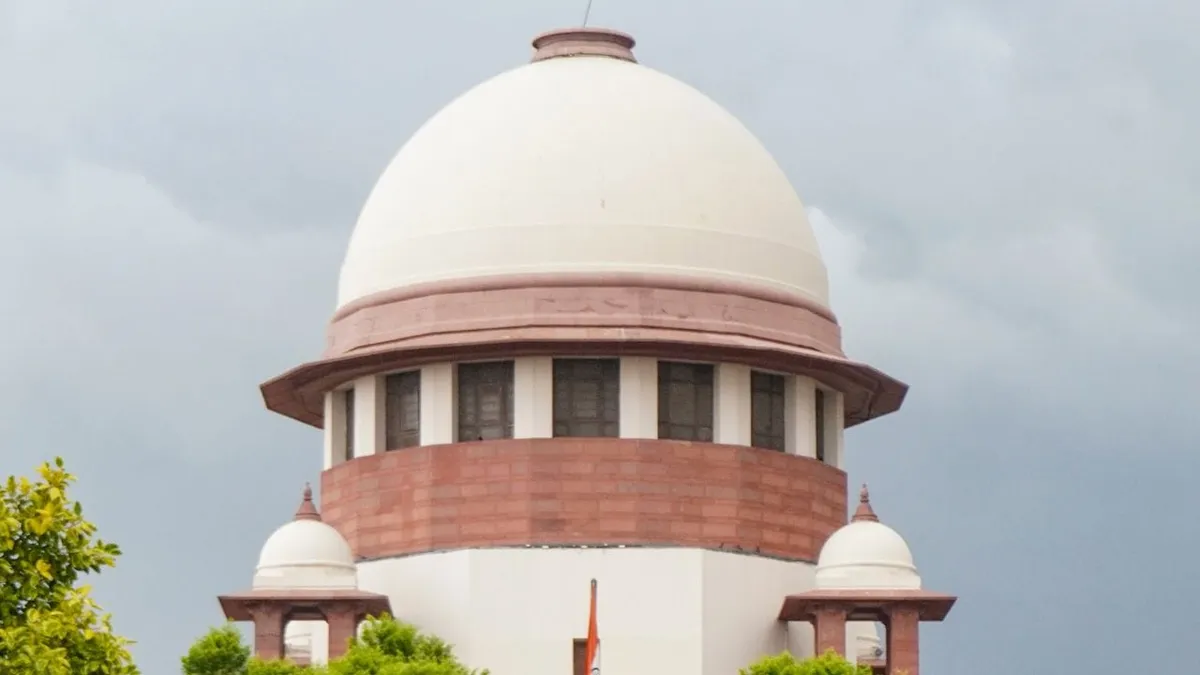
India's Supreme Court has declared that accessing and using the internet is a fundamental right for every individual, including children, under Article 21 read with Article 19(1)(a) of the Constitution. A bench of Justices JB Pardiwala and K Vinod Chandran said denying children this right altogether would be absurd.
The court ruled that children cannot be kept completely away from the internet simply because of their age. It stated that safety and freedom are not opposing rights and that children deserve both.
“In view of the foregoing, we have no hesitation in saying that the right to access and use the internet is a fundamental right of every individual under Article 21 read with Article 19(1)(a) of the Constitution.”
The order directs the Centre to create a national database for detecting and removing sexually explicit visual content involving minors on digital platforms. The case was brought by the NGO Just Rights for Children Alliance, which highlighted an alarming rise in child sexual exploitation and abuse material on social media.
The court clarified that its ruling does not rule out age-based restrictions. It suggested safeguards such as parental consent, guidance, oversight, and a dedicated child mode for social media accounts.
The 137-page order was passed on October 15. Senior advocate HS Phoolka represented the NGO.
2 more sources below
COMMENTS (0)
No comments yet. Be the first.
RELATED STORIES

Selma Blair’s Representative Denies Assault Intent After Plane Arrest
Blair’s team says a medical emergency, not intent, drove the in-flight incident and rejects claims she does not have multiple sclerosis.

India's Supreme Court bans paywalled child sexual abuse content on online platforms
The court ordered all intermediaries to block child sexual exploitation material offered through paywalls or subscriptions.

WhatsApp AI Favors Flávio Bolsonaro Over Lula in Election Image Tests
Tests show Meta's WhatsApp AI blocked Lula-related image requests while allowing similar prompts for Flávio Bolsonaro ahead of Brazil's October 25 runoff.
- Supreme Court Bars Converted Muslims From Claiming BC Quota Based on Prior Caste
- iPhone Duo preorders sell out, shipping slips to January 2027
- Greece–Cyprus power cable surveys set to resume after October
- Turkey Deploys First Floating Gas Platform to Double Black Sea Output
- West Bank olive farmers face deadly harvest amid settler violence
This page was compiled with AI assistance from the outlets named above and passed an automated language check before publication. Montegre has no reporters of its own; the byline names the outlets the story was compiled from. Method and editorial standards