Urda train crash families targeted by fake SMS scams
Relatives of victims of the Toledo rail disaster are receiving fraudulent text messages claiming their loved ones have been identified.
KEY POINTS
- 69 people died in the Urda train accident between an AVE and an Iryo service
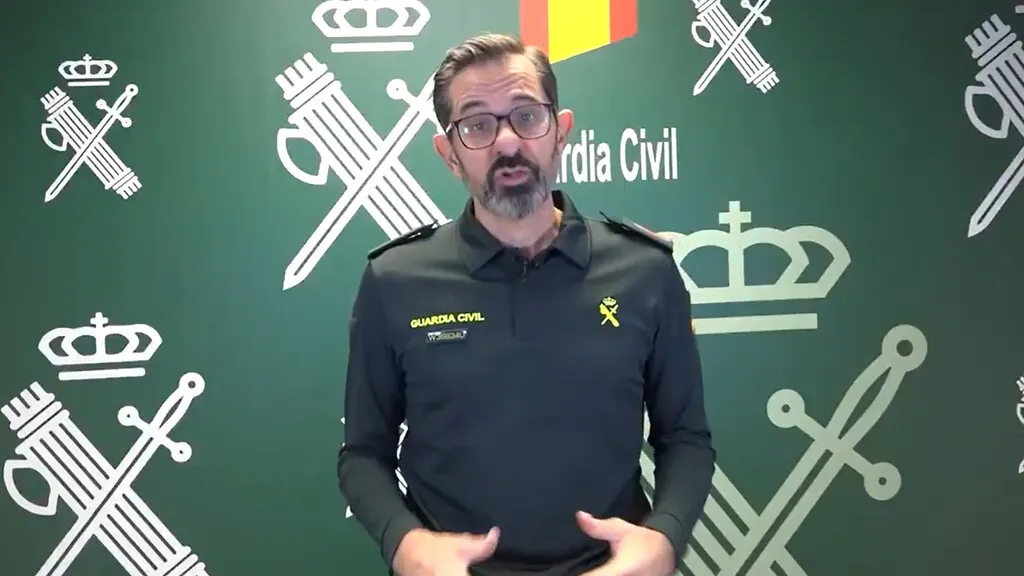
- Fake SMS messages claim Guardia Civil has identified victims' bodies
- Guardia Civil says identifications are only communicated in person
- Data Integration Centre and Castilla-La Mancha High Court of Justice have also warned families
- Relatives are asked to provide DNA samples at enabled offices to help identify victims
Rescue and identification work continues at Urda in Toledo after a train accident between an AVE and an Iryo service left 69 dead. Some relatives of passengers who remain missing have received fake SMS messages from people posing as the Guardia Civil, informing them that the bodies of their loved ones have supposedly been identified.
The Guardia Civil has denied sending any such messages and stated that victim identifications are communicated only in person and personally, never by text message, WhatsApp, or telephone call. The warning was issued through its official X account and other official channels.
“Victim identification is communicated in person and personally, never by text message, WhatsApp, or telephone call.”
The Data Integration Centre, made up of forensic specialists and members of the security forces, has also alerted families to this impersonation. In a statement circulated by the Castilla-La Mancha High Court of Justice, the body asked potentially affected people not to give credence to these communications.
The Guardia Civil has asked first-degree relatives of missing persons to visit the enabled offices to provide information and DNA samples that can help establish the identities of the victims. It said relatives should come as soon as possible to speed up the work, and that if they have already provided their details, officers will contact them when there is news.
The scam resembles a practice known in cybersecurity as smishing, in which fraudsters seek to obtain information or compromise devices through text messages. It is possible that the scammers obtained contact details through a website set up for relatives of missing persons to publish notices and facilitate the search, where families leave their phone numbers.
The warning comes at a particularly delicate moment for families affected by the accident, who are waiting for news and updates in these days.
2 more sources below
COMMENTS (0)
No comments yet. Be the first.
RELATED STORIES

ISRO to launch NVS-03 navigation satellite on GSLV-F18 tonight
India's third second-generation NavIC satellite lifts off from Sriharikota at 11:51 pm IST on October 30.
Porsche driver sentenced to 17 years for killing app driver in São Paulo crash
Fernando Sastre was convicted of intentional homicide after striking a ride-hail driver at high speed in March 2024.

Chiefs Sign Justin Tucker to Practice Squad Amid Past Misconduct Allegations
Andy Reid defended the signing of former Ravens kicker Justin Tucker, who faces allegations from 16 massage therapists.
- Mexican TV host Ines Gomez Mont arrested in Miami after five years on the run
- Binance Hacked for $6.3 Billion as Bitcoin Drops 5 Percent
- Denizli Democracy Platform Demands Fair Trial for Mayor and Detainees
- France honors MMA fighter killed in racist Trappes attack
- CDC requires Ebola declaration for all US-bound travelers starting November 3
This page was compiled with AI assistance from the outlets named above and passed an automated language check before publication. Montegre has no reporters of its own; the byline names the outlets the story was compiled from. Method and editorial standards