Trump Names Intelligence Chief Clayton to Lead New AI Task Force
The "Super Intelligence Force" has 120 days to assess AI risks and opportunities while coordinating federal engagement with industry.
KEY POINTS
- Trump created the Super Intelligence Force via Truth Social announcement on October 4, 2026
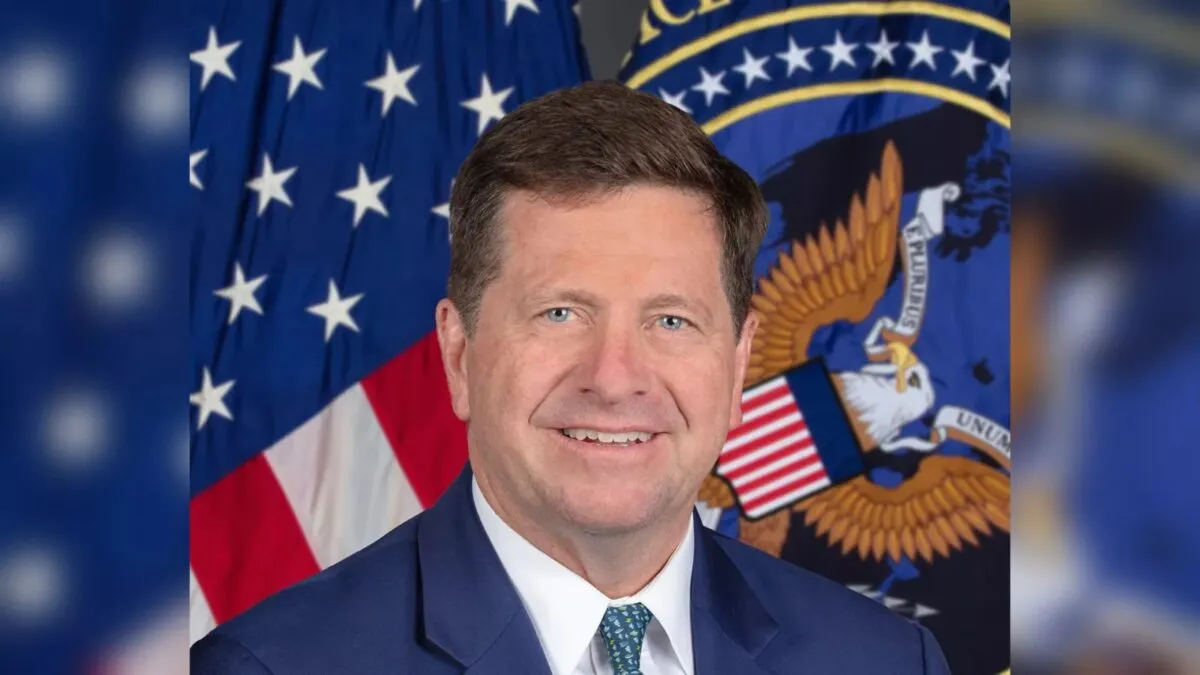
- Director of National Intelligence Jay Clayton chairs the task force with three vice chairs
- The group has 120 days to produce a report on AI risks and opportunities
- Members report directly to Trump and Chief of Staff Susie Wiles
- The initiative follows an executive order rebranding AI as "Super Intelligence"
President Donald Trump announced the creation of a "Super Intelligence Force" on Sunday, appointing Director of National Intelligence Jay Clayton as chair. The task force will coordinate federal government engagement with AI companies, consumers, and critical infrastructure providers.
Clayton will serve alongside three vice chairs: Federal Trade Commission Chairman Andrew Ferguson, Under Secretary of Defense for Research and Engineering Emil Michael, and Office of Personnel Management Director Scott Kupor. All four members report directly to Trump and White House Chief of Staff Susie Wiles.
“The Super Intelligence Force will coordinate the Federal Government's engagement with Consumers, Public Interest Groups, Religious Organizations, Critical Infrastructure Providers, and Super Intelligence Companies.”
The group has been given 120 days to deliver a report examining risks and opportunities associated with advanced AI systems. If the clock started on October 4, the deadline would fall around February 1, 2027.
The move follows Trump's September 29 executive order directing federal agencies to replace the term "artificial intelligence" with "Super Intelligence" in official communications. The president has previously dismissed AI safety warnings as a "hoax" and rejected mandatory regulation in favor of voluntary industry commitments.
Clayton, confirmed as intelligence director in July after chairing the SEC from 2017 to 2020, has argued against an industry-wide slowdown in AI development, saying it would be reckless to cede leadership to China. The task force lacks independent statutory authority or budget, drawing influence from the agencies its members already lead.
5 more sources below
COMMENTS (0)
No comments yet. Be the first.
RELATED STORIES

Yemeni Government Launches Offensive to Retake Houthi-Held Territory
Saudi-backed forces begin major operation to reclaim Red Sea coast and Bab el-Mandeb Strait after Houthi advances.

Brazil Markets Rally After Flavio Bolsonaro Leads First Round
Brazilian assets surged and Argentine markets followed as investors bet on fiscal tightening under an opposition victory.

Supreme Court Hears Climate Case Against Oil Giants
Justices weigh whether state lawsuits can force fossil fuel companies to pay for climate damages.
- Nobel Prize in Medicine Awarded for Optogenetics Breakthrough
- Sanchez Calls Snap Election for Nov. 29 After Housing Defeat
- BC NDP Proposes Higher Taxes on Top Earners to Raise $1 Billion Annually
- Spain's Sanchez Calls Snap Election for Nov. 29 Amid Housing Crisis
- Twenty Brazilian states elect governors in first round; seven head to runoff
This page was compiled with AI assistance from the outlets named above and passed an automated language check before publication. Montegre has no reporters of its own; the byline names the outlets the story was compiled from. Method and editorial standards