Brazil's top electoral court bars candidate over domestic violence conviction
TSE unanimously rules bodily injury against a woman can trigger ineligibility under Brazil's Clean Slate law.

KEY POINTS
- TSE unanimously bars João Neto from running for federal deputy
- Conviction for bodily injury against his wife classified as crime against life
- Sentence was four years and two months in prison in 2025
- TSE urges Congress to explicitly include gender violence in ineligibility law
- Case is first involving the 2024 Feminicide Law changes
Brazil's Superior Electoral Court (TSE) unanimously upheld the rejection of João Neto's candidacy for federal deputy in Alagoas. The court ruled that convictions for bodily injury against a woman can make candidates ineligible under the Clean Slate law's category of crimes against life. The decision was announced on Thursday, October 29, 2026.
João Neto, a lawyer from the Solidarity party, was convicted by Alagoas courts in 2025 to four years and two months in prison. He pushed his wife inside their home while she was barefoot on a slippery floor. The fall caused an open wound on her chin that required surgical intervention.
The regional electoral court of Alagoas denied his candidacy registration in September after a complaint filed by Senator Renan Calheiro. The TSE maintained that regional decision during its plenary session on Thursday.
Justice Dias Toffoli, the rapporteur, said the court did not create a new rule but defined the scope of an existing legal category. He cited Law 14,994/2024, which reformed the legal treatment of violence against women in the Penal Code and brought femicide and bodily injury against women closer together.
Toffoli argued the crime has a plurioffensive character, protecting not only the victim's physical integrity but also women against gender-based violence. The TSE also sent a formal communication to the National Congress urging lawmakers to explicitly include violence against women among the causes of electoral ineligibility.
Electoral Justice Corregedor Ricardo Villas Bôas Cueva proposed the appeal to Congress, citing controversy over the list of crimes that trigger ineligibility under Complementary Law 64/1990. He asked the presidents of the Senate and Chamber to examine the improvement of that law with urgency.
2 more sources below
COMMENTS (0)
No comments yet. Be the first.
RELATED STORIES
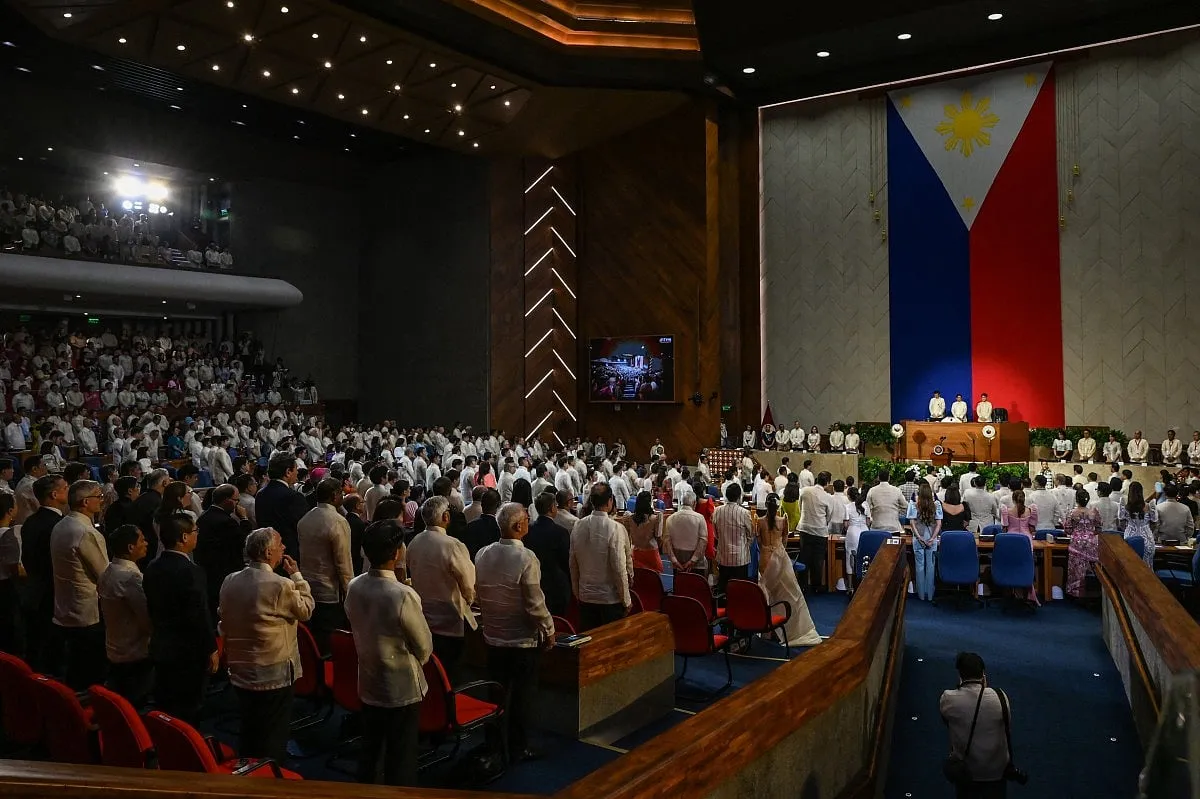
Philippine business groups demand removal of unjustified budget insertions in proposed 2027 national budget
Thirty-five business and civil society groups urge Congress to scrap budget insertions lacking technical basis and restore funding for foreign-assisted and transport infrastructure projects.

Canada Unveils First National Security Strategy in Over 20 Years
Ottawa's new plan identifies eight strategic sectors and prepares for threats including major war.

US security alert issued in Matamoros after cartel leader arrest
Violence and roadblocks erupted in the Mexican border city following the arrest of a Gulf Cartel figure.
- Explosion near Colombia-Venezuela bridge injures six people
- Kocaeli and Balıkesir split into separate building inspection zones under new regulation
- Trump Cancels Kansas and Iowa Rallies, Shifts to Virtual Events
- Italian lawmaker seeks probe into Bolsonaro brothers' citizenship grants
- Court declares Okorocha APC candidate for Imo West Senate seat
This page was compiled with AI assistance from the outlets named above and passed an automated language check before publication. Montegre has no reporters of its own; the byline names the outlets the story was compiled from. Method and editorial standards