Italian lawmaker seeks probe into Bolsonaro brothers' citizenship grants
Angelo Bonelli asks Italian ministries to explain the fast-track recognition of Italian citizenship for Flávio, Eduardo and Carlos Bolsonaro.
KEY POINTS
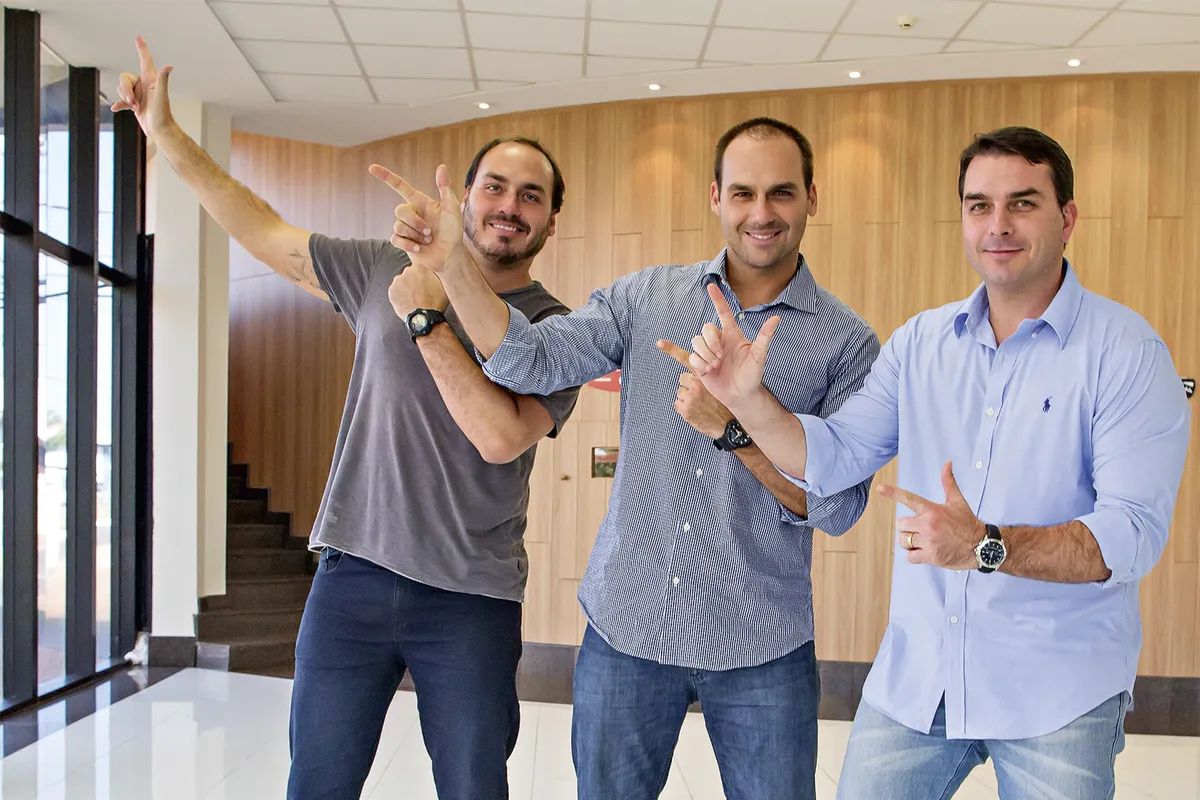
- Italian lawmaker Angelo Bonelli requested an administrative probe into the citizenship of Flávio, Eduardo and Carlos Bolsonaro.
- Flávio Bolsonaro traveled to the United States on an Italian passport after his Brazilian passport was canceled.
- The brothers' citizenship recognition processes were completed in about one year in 2023 and 2024.
- More than 112,000 Brazilian citizenship requests were pending in 2018, and consular calls were suspended for nearly four years.
Italian lawmaker Angelo Bonelli, from the Europa Verde party, has requested an administrative investigation into the recognition of Italian citizenship for Flávio, Eduardo and Carlos Bolsonaro. He sent questions to Italy's Foreign and Interior ministries asking about the speed of the procedures and possible differences in treatment compared with other Brazilians awaiting nationality recognition.
The move follows Flávio Bolsonaro's departure from Argentina to the United States on Wednesday, October 28, using an Italian passport. The senator traveled after failing to comply with a Federal Police order to hand over his travel documents, which led to the cancellation of his Brazilian passport.
“When the brothers' processes were concluded in 2023, applicants were still waiting from 2018.”
Flávio and Eduardo received Italian citizenship recognition in 2023, while Carlos obtained it in 2024. The requests were based on the principle of jus sanguinis, which allows nationality recognition by descent. The family reportedly cited a great-grandfather of Jair Bolsonaro from the Veneto region in northern Italy as their ancestor.
According to dates previously provided by the Italian government to Bonelli, Flávio and Eduardo applied for recognition at the Italian Embassy in Brasilia nine days after Jair Bolsonaro lost the 2022 presidential election to Luiz Inácio Lula da Silva.
Bonelli says the processes for Flávio and Eduardo were completed in about one year, a timeframe he considers unusual given the backlog of Brazilians waiting at Italian consulates. Although the law sets a maximum limit of 730 days after complete documentation is submitted, waiting for a consular summons in Brazil can take up to ten years.
The document states that when the brothers' processes were concluded in 2023, applicants were still waiting from 2018. Consular calls to continue procedures were suspended for nearly four years between 2018 and 2022. In 2018, more than 112,000 requests submitted in Brazil were awaiting service, according to data cited by the lawmaker.
2 more sources below
TOPICS
COMMENTS (0)
No comments yet. Be the first.
RELATED STORIES

Iran declares Strait of Hormuz closed after tanker mine strike
Iranian naval authorities say the vital waterway is closed to uncoordinated vessels following a mine attack that damaged and set fire to a tanker.

Kocaeli and Balıkesir split into separate building inspection zones under new regulation
A new regulation divides Kocaeli into two zones and Balıkesir into three zones for electronic assignment of building inspection organizations.
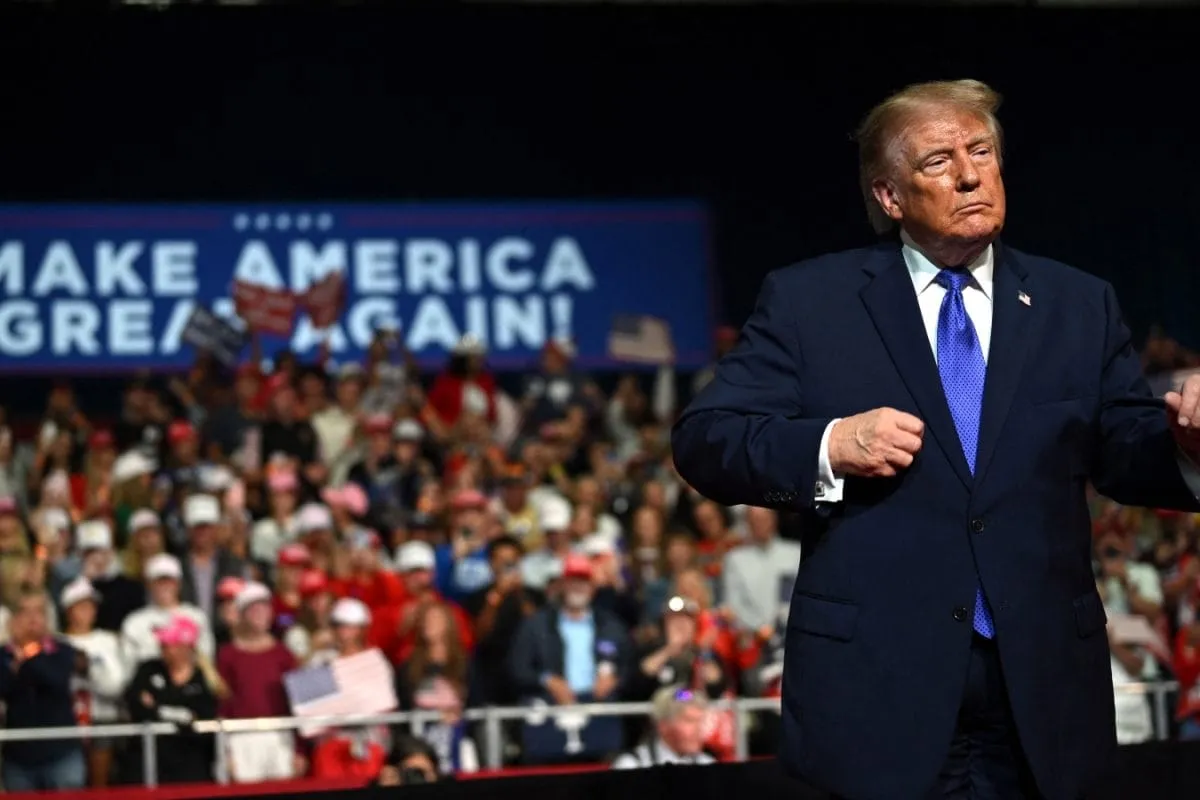
Trump Cancels Kansas and Iowa Rallies, Shifts to Virtual Events
President Trump replaces in-person midterm rallies with virtual events after protests and empty seats, while denying health concerns.
- Court declares Okorocha APC candidate for Imo West Senate seat
- Flávio Bolsonaro's flight to US creates Senate seat uncertainty and far-right leadership vacuum
- Brazil's top electoral court bars candidate over domestic violence conviction
- Colombia's Economic Rescue Bill Reaches Congress Amid Fiscal Crisis
- Over $2 Billion in Crypto Leaves Binance Wallets Amid Hack Suspicions
This page was compiled with AI assistance from the outlets named above and passed an automated language check before publication. Montegre has no reporters of its own; the byline names the outlets the story was compiled from. Method and editorial standards