Ukraine's Vivaldi Operation Reclaims Eastern Territory Using Drones and Robots
Ukraine's phased Vivaldi operation slowed Russia's eastern advance and recovered part of occupied territory through drones, robots, and electronic warfare.
KEY POINTS
- Operation Vivaldi was a four-phase Ukrainian counteroffensive running from spring to autumn 2026
- Ukraine recovered a considerable portion of eastern territory and blocked Russian encirclement of Donetsk cities
- Forces used armed ground robots, attack drones, electronic warfare, and elite assault units
- The Third Army Corps led the maneuver and deployed a protective electronic warfare dome
- Starshield satellite communications supported some battlefield connections
Ukraine's armed forces launched Operation Vivaldi, a four-phase counteroffensive modeled on Vivaldi's Four Seasons, to counter Russia's large-scale invasion that began in February 2022. The operation ran from spring through autumn of this year and helped Ukraine recover a considerable portion of eastern territory while frustrating Russian attempts to encircle the last cities of the Donetsk province.
For nearly two years, Ukrainian troops had continuously ceded ground to numerically superior Russian forces. Intensified drone use, remotely operated ground vehicles, changes in command structure, and shifts in internal army culture allowed Ukraine to reverse the situation and regain territory.
“The Ukrainian army classified that deployment as an unprecedented event in the war.”
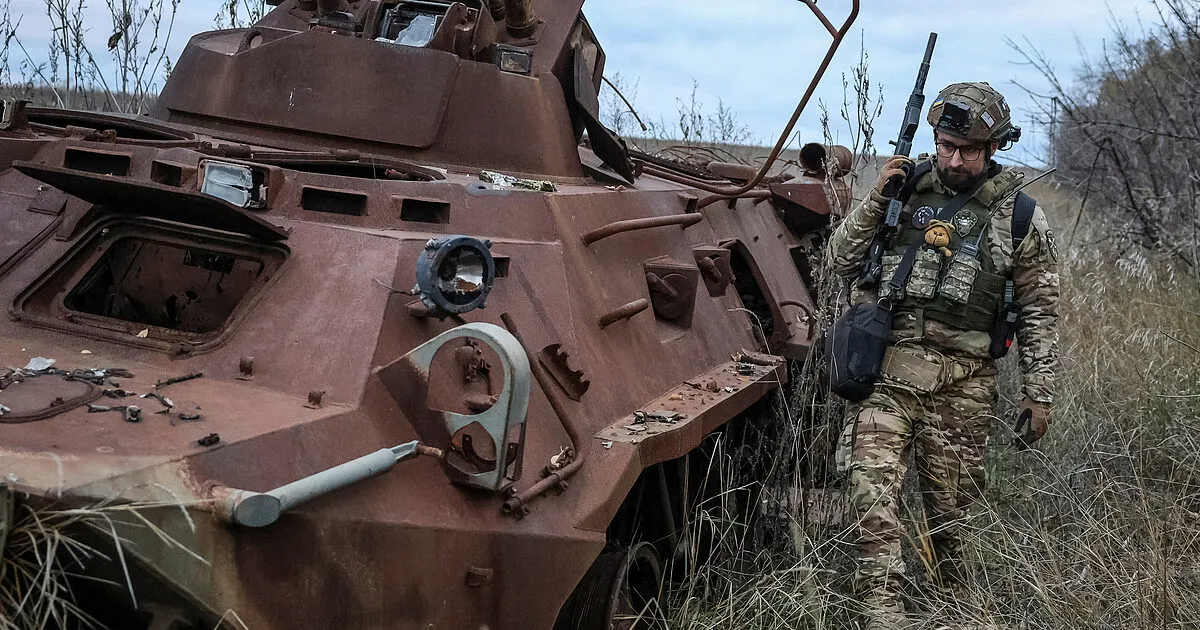
Ukrainian forces deployed remote-controlled ground vehicles armed with heavy-caliber machine guns, grenade launchers, or explosives against Russian positions. Other machines cleared routes through minefields, and adapted quadcopter bombers transported combat robots beyond Russian lines in at least one instance, which the Ukrainian army described as unprecedented in the war.
Assault groups advanced after unmanned system strikes, while aerial drones attacked shelters and trenches that soldiers could not initially enter due to enemy fire. Ukraine's Third Army Corps, which led the maneuver, said an electronic warfare "protective dome" blocked Russian drones over the combat area, aiming to reduce Moscow's surveillance and strike capabilities.
The operation sought to breach the "annihilation zone," a drone-covered corridor on both sides of the front that raised the cost of every ground advance. Ukrainian commanders argue that tighter coordination among infantry, drones, and robots can offset part of their numerical inferiority against Russia.
The maneuver involved one of Kyiv's elite units and used Starshield, SpaceX's military version of the Starlink satellite communications service, for some battlefield connections. According to Reuters data collected by Infobae, the offensive unfolded during spring and summer in eastern Ukraine and concluded last month, though Kyiv's troops recovered little territory despite affecting Russia's pincer advance on a zone that could influence the invasion's course.
2 more sources below
COMMENTS (0)
No comments yet. Be the first.
RELATED STORIES

Turkey arrests 83 suspects in nationwide FETO operation
Police detained 83 people across 28 provinces, with 47 remanded in custody and 22 placed under judicial control.

Van Hollen Urges War Funding Block Before December 11 Shutdown Deadline
Senator Chris Van Hollen says Congress should deny war funding by December 11 to force an end to U.S. military action against Iran.

Iraq and militia reach compromise to hand over Jurf al-Sakhar stronghold
Baghdad and Kataeb Hezbollah agreed a deal to transfer control of the southern Iraqi town, averting a military confrontation.
- Anthropic IPO makes most employees millionaires overnight
- Colombia arrests alias Blue in Cali for eight years of protest violence
- Pakistan minister to visit India for SCO civilizational dialogue
- Student Strike Planned Across More Than 25 European Countries on November 20
- Turkey and EU Launch Schengen Visa Working Group in Ankara
This page was compiled with AI assistance from the outlets named above and passed an automated language check before publication. Montegre has no reporters of its own; the byline names the outlets the story was compiled from. Method and editorial standards