UN Committee Warns Mexico Over Forced Disappearances as Government Rejects Article 34 Interpretation
UN body says there are well-founded indications forced disappearances in Mexico may constitute crimes against humanity; Mexico rejects the committee's reading of Article 34.
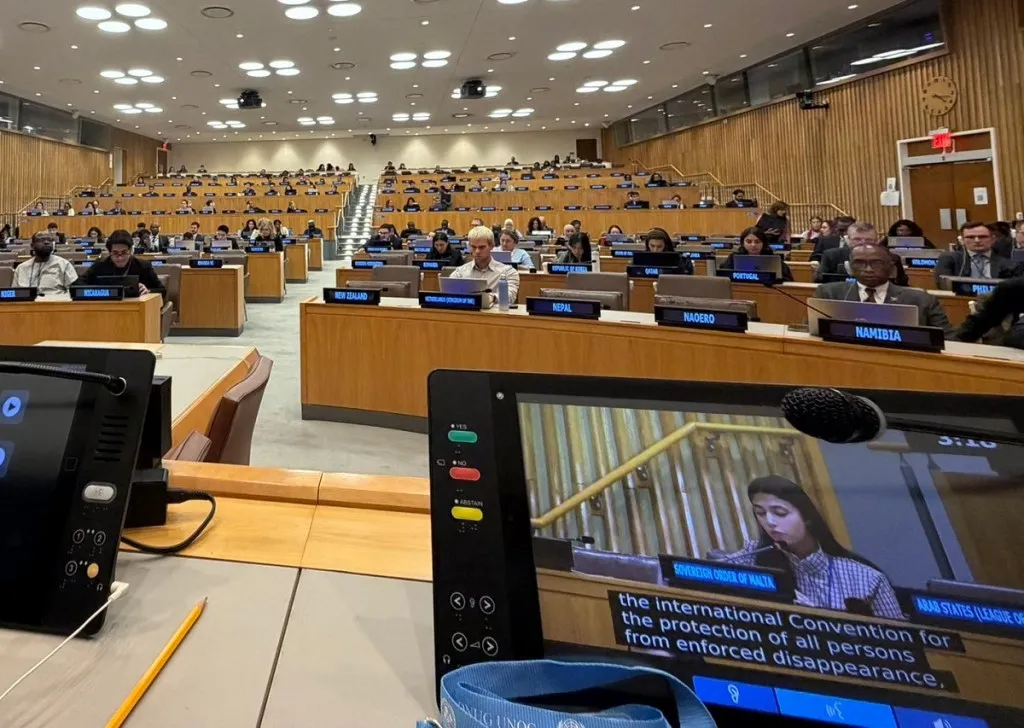
KEY POINTS
- UN committee says forced disappearances in Mexico may amount to crimes against humanity
- Committee president Juan Pablo Albán Alencastro presented the annual report to the UN General Assembly's Third Committee
- Mexico formally rejects the committee's interpretation of Article 34 of the convention
- Government announces international expert group to scientifically review the National Registry
- UN body says it found no well-founded indications of a deliberate federal policy of enforced disappearances
The UN Committee on Enforced Disappearances presented its annual report to the Third Committee of the UN General Assembly, warning that there are well-founded indications that forced disappearances in Mexico may constitute crimes against humanity and that the practice persists. Committee president Juan Pablo Albán Alencastro said the conclusion was based on information provided by the Mexican state, victims, civil society organizations, and records gathered since 2012.
The committee urged UN member states to take the disappearance crisis seriously and avoid letting it become trapped in political or diplomatic interests. It also expressed concern for victims and their families and called for their demands for truth, justice, and reparation to be heard.
“The organ concluded that there are well-founded indications of the commission of enforced disappearances as crimes against humanity and of the persistence until the present of that practice.”
The body clarified that its determination does not amount to declaring Mexico's international responsibility, nor did it find well-founded indications of a deliberate federal policy to commit or tolerate enforced disappearances through omissions. However, it noted that structural problems persist and require attention.
Mexico formally rejected the committee's interpretation of the scope and application of Article 34 of the international convention on enforced disappearances. Undersecretary for Human Rights, Population and Migration Arturo Medina Padilla stated that Mexico maintains a policy of openness, dialogue, and international cooperation with the UN High Commissioner for Human Rights.
Medina Padilla also announced the formation of a group of international experts, together with the UN Human Rights Office, to conduct a scientific review of the National Registry. The government reaffirmed its commitment to the search for missing persons and to international human rights cooperation.
2 more sources below
COMMENTS (0)
No comments yet. Be the first.
RELATED STORIES

Trump says Iran war will end quickly and gasoline prices will fall
US President Donald Trump said the Iran war will end soon and gasoline prices will drop to levels below previous ones.

Pakistan, Saudi Arabia and Türkiye Sign Makkah Defence Pact Amid Houthi Attacks
Pakistan says it will provide whatever support Saudi Arabia needs for defence as the three allies formalise a mutual defence pact.

New York City Council to vote on banning Central Park horse carriages by 2028
Lawmakers are set to vote Thursday on legislation ending horse-drawn carriage rides in Central Park starting June 1, 2028.
- UK approves Jackdaw North Sea gas drilling, says bills will not fall
- Elon Musk promises one SpaceX share to every child in the United States
- Russia releases American Stephen Hubbard after four years in prison
- EuroLeague suspends Greek referee amid match-fixing probe
- Drone attacks in Black Sea raise questions about NATO coastal defense
This page was compiled with AI assistance from the outlets named above and passed an automated language check before publication. Montegre has no reporters of its own; the byline names the outlets the story was compiled from. Method and editorial standards