US and Nine Allies Sign San Francisco AI Supply Chain Declaration
The agreement aims to protect critical AI technologies and infrastructure from China amid rising tensions.
KEY POINTS
- US and nine allies signed the San Francisco Declaration on AI supply chains
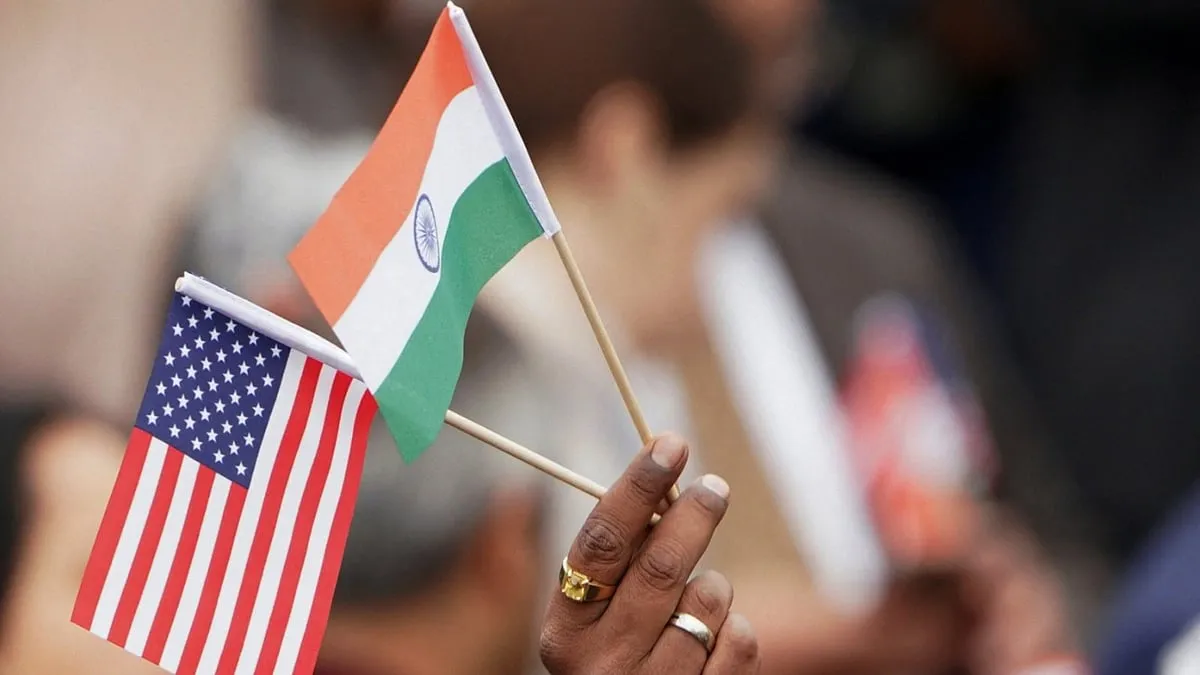
- Signatories include Australia, India, Israel, Japan, South Korea, Qatar, Singapore, UAE, and UK
- Agreement protects sensitive technologies and critical infrastructure such as ports and energy systems
- Five joint working groups will be established on innovation, AI adoption, supply chains, security hubs, and resilience
- Germany, the Netherlands, and Sweden are expected to sign soon
The United States and nine allies signed the San Francisco Declaration on the Secure Foundations of Enduring Prosperity to secure artificial intelligence supply chains. The signing took place at a San Francisco retreat convened by US Under Secretary of State for Economic Affairs Jacob Helberg.
The signatories are Australia, India, Israel, Japan, South Korea, Qatar, Singapore, the United Arab Emirates, and the United Kingdom. Germany, the Netherlands, and Sweden are expected to sign in the coming days.
“The know-how to design a chip, the machine that makes it and the port that ships it can all be in different countries.”
The agreement identifies two broad categories of assets for protection. The first covers sensitive technologies such as software, materials, components, and related manufacturing knowledge. The second covers critical infrastructure including ports, transportation networks, communications systems, energy infrastructure, and connecting digital platforms.
Participating governments plan to establish five joint working groups. These groups will focus on innovation policy, AI adoption across key industries, supply chain cooperation, security hubs, and AI resilience.
The pact comes as Washington grows concerned about China's efforts to access advanced AI technology, including Nvidia's high-end semiconductor accelerators. Recent reports said Chinese intelligence targeted Nvidia CEO Jensen Huang.
US Under-Secretary Jacob Helberg explained that AI supply chain stages often span several countries. He said chip design, manufacturing machines, and shipping ports can all be located in different nations.
Helberg added that partner countries agreed to treat the security of critical technologies and supporting infrastructure as a shared responsibility.
2 more sources below
COMMENTS (0)
No comments yet. Be the first.
RELATED STORIES
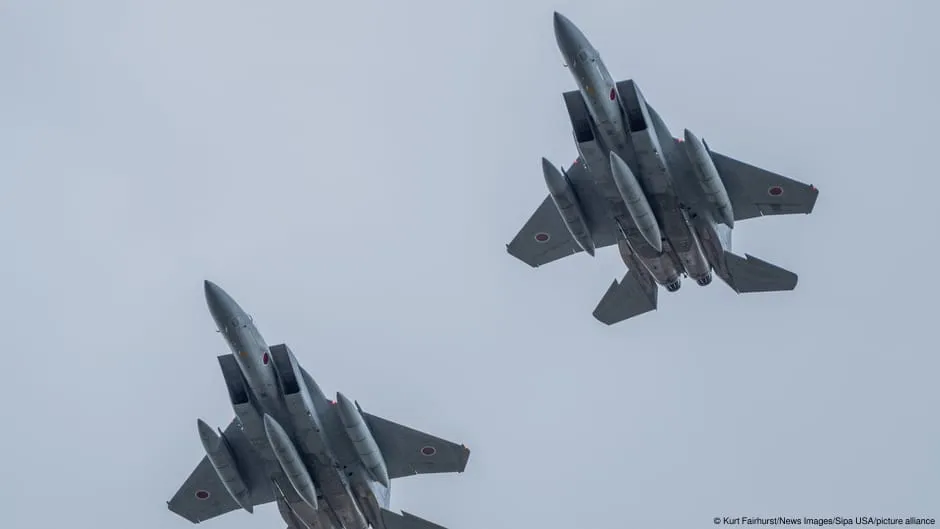
Japan protests Russian airspace violation near Okinoshima
Japan scrambled fighter jets after two suspected Russian aircraft entered its airspace early Tuesday.
COP31 climate talks reach midpoint in Antalya amid deep divisions
UN climate chief Simon Stiell urges nearly 200 countries to move past tactical delays and turn promises into concrete action.
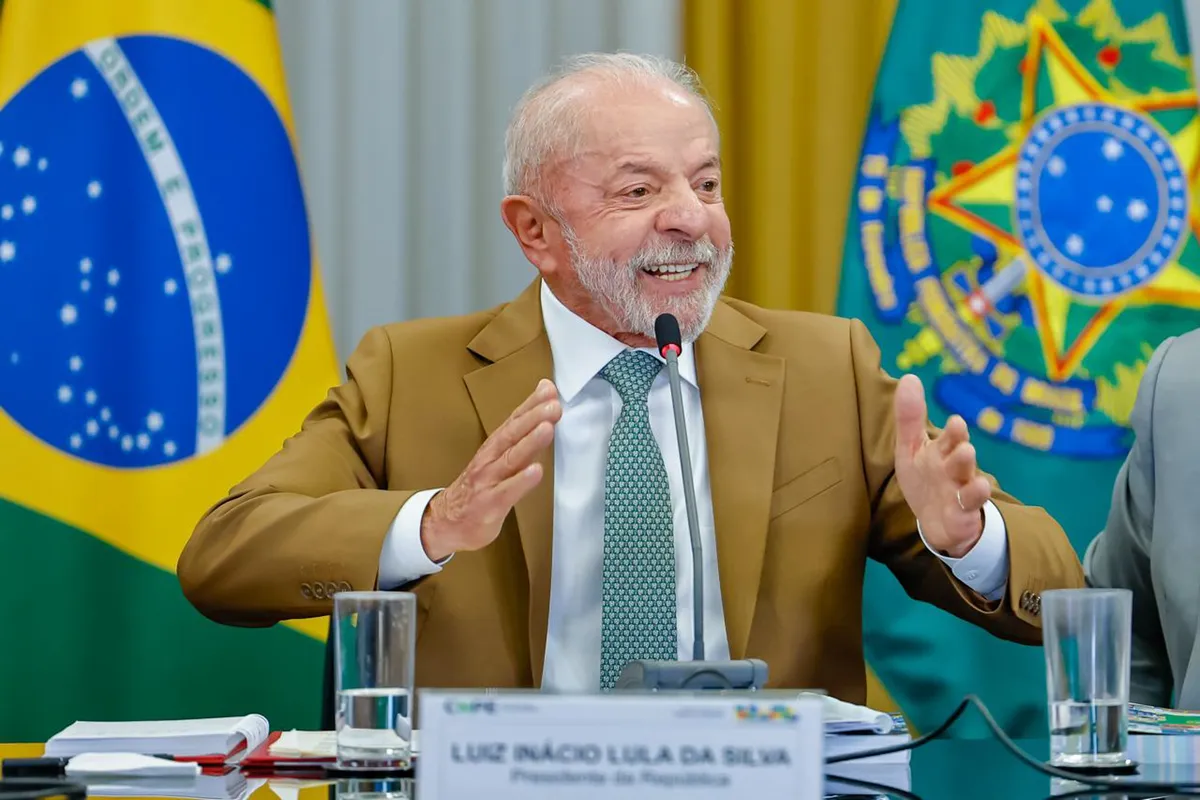
Lula Plans to Name First Ministers by Early December
President Luiz Inácio Lula da Silva aims to announce initial ministers for his fourth term before December.
- Nvidia faces first earnings call without founder Jensen Huang
- Trustee Appointed to Sözcü TV, Chief Executive Detained
- Ghana commissions GEXIM-backed cashew factory in Techiman to boost exports and jobs
- Modi lays foundation stone for Manila gurudwara redevelopment
- California Sues OpenAI Over Uncontrolled AI Agents
This page was compiled with AI assistance from the outlets named above and passed an automated language check before publication. Montegre has no reporters of its own; the byline names the outlets the story was compiled from. Method and editorial standards