US Judge Blocks Trump Rule Limiting Foreign Student Stays to Four Years
A federal judge has vacated a Trump-era regulation that would have capped stays for international students, exchange visitors and foreign journalists at four years.
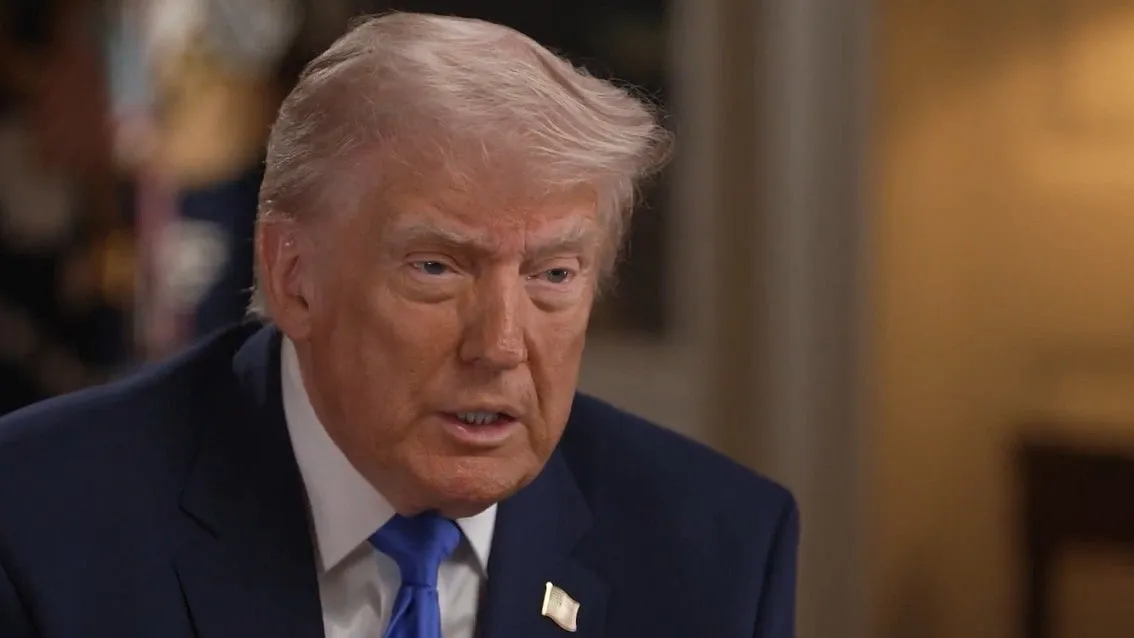
KEY POINTS
- Federal judge vacated a Trump-era rule limiting foreign student and journalist stays
- The rule would have capped F-1 and J-1 visa holders at four years in the United States
- The court ruled the policy was arbitrary and exceeded DHS statutory authority
- DHS failed to provide sufficient evidence on fraud prevention and national security
- The regulation was published in the Federal Register on July 17, 2026
A US federal judge has struck down a Trump administration rule that sought to limit the length of stay for foreign students, exchange visitors and journalists, ruling that the policy was arbitrary and not in accordance with the law.
District Judge F Dennis Saylor issued the order on Monday, granting the plaintiffs’ motion for summary judgment and rejecting the US Department of Homeland Security’s motion. The court also vacated the final rule under the Administrative Procedure Act.
“arbitrary, capricious, an abuse of discretion, and otherwise not in accordance with law”
The judge described the policy as “arbitrary, capricious, an abuse of discretion, and otherwise not in accordance with law”. The rule, titled Establishing a Fixed Time Period of Admission and an Extension of Stay Procedure for Nonimmigrant Academic Students, Exchange Visitors, and Representatives of Foreign Information Media, was published in the Federal Register on July 17, 2026.
The regulation covered international students on F visas, researchers, professors and instructors on J visas, and foreign media representatives holding I visas. Under the proposal, F-1 student visa holders and J-1 exchange visitor visa holders would have been allowed to remain in the United States for a maximum of four years.
Those needing additional time to complete their academic programmes would have had to apply to DHS for extensions. The judge ruled on Monday, November 16, 2026, that the regulation exceeded the department’s statutory authority and failed to adequately consider less restrictive alternatives.
The court found that DHS had not adequately assessed the costs and benefits of the proposed restrictions. It also said the department had failed to provide sufficient evidence to support its claims that the rule was necessary to prevent fraud and protect national security.
The judge noted that DHS had not adequately examined less restrictive alternatives or addressed concerns raised during the public consultation process. The order also considered whether the department had made sufficient use of the existing Student and Exchange Visitor Information System (SEVIS), which monitors international students and exchange visitors.
2 more sources below
COMMENTS (0)
No comments yet. Be the first.
RELATED STORIES
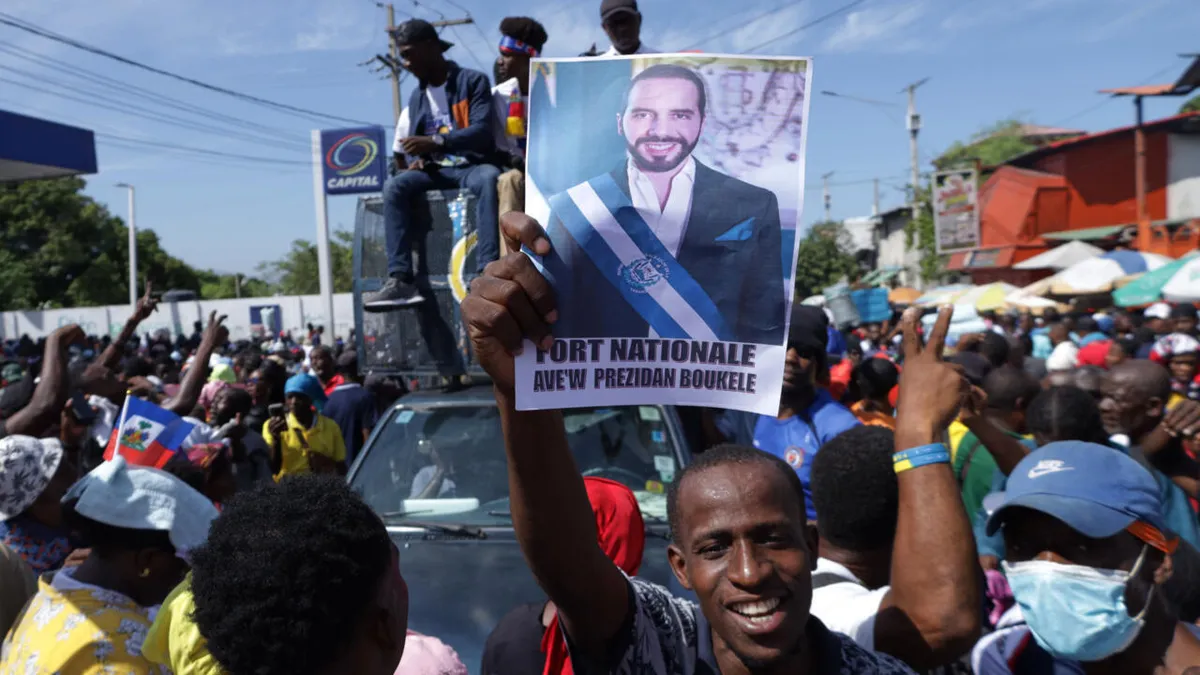
Haitians support Salvadoran troops as Bukele expands gang offensive
Salvadoran forces attack gang leader's home while Haitians rally behind Bukele amid five years of gang violence.
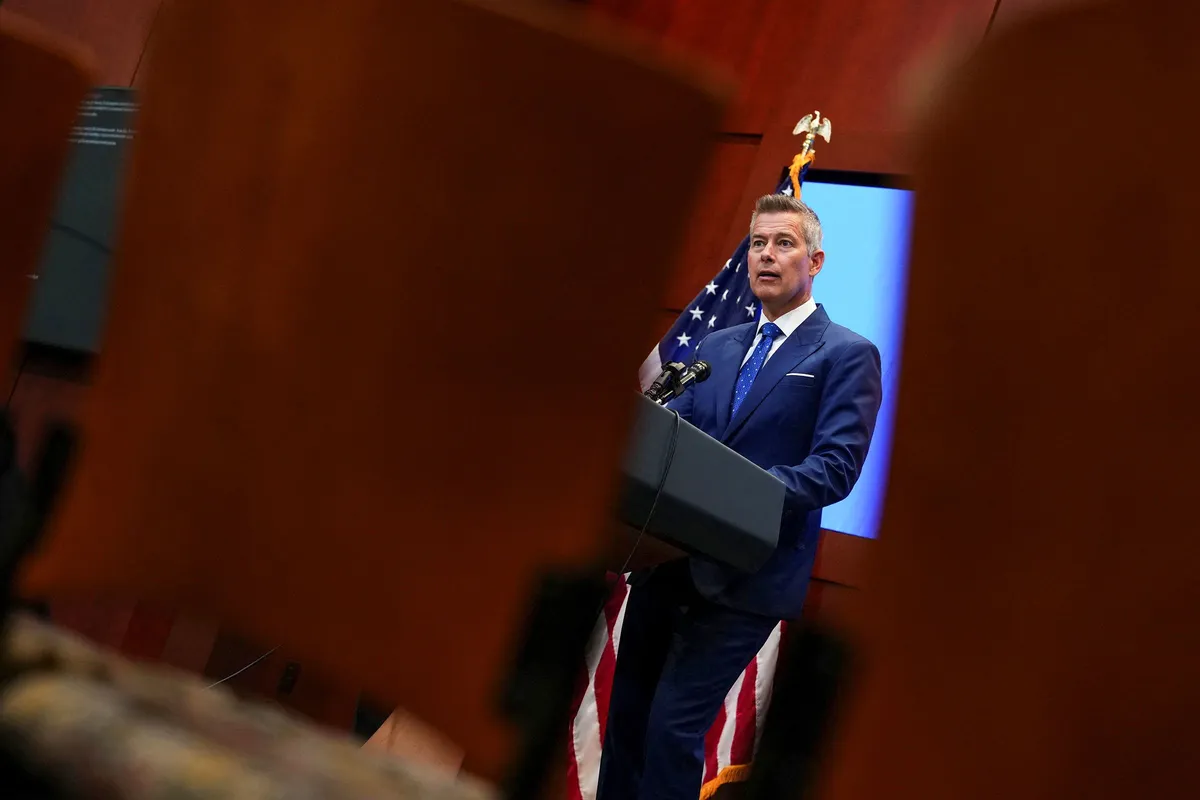
Republicans question Trump administration's $50 billion FAA funding request after nationwide flight grounding
Top Republicans say Congress needs more details before approving emergency funding for the nation's aging air traffic control system.

Apple services disrupted by internal software update
Apple says an internal update caused outages across iCloud, Apple Pay, App Store and Apple Music, ruling out a cyberattack.
- Defense Minister Outlines KAAN Delivery Plan Through 2035
- Turkish Red Crescent Law Passes Parliament with 224 Votes
- FBI warns ARTEX AI tool cuts cyberattacks to under three hours
- GTA 6 launches November 19 with rolling midnight release on PS5 and Xbox Series X|S
- Security forces kill LeT commander Lateef Bhat in Kulgam mosque operation
This page was compiled with AI assistance from the outlets named above and passed an automated language check before publication. Montegre has no reporters of its own; the byline names the outlets the story was compiled from. Method and editorial standards