Von der Leyen delivers sixth State of the Union address in Strasbourg
European Commission president outlines seven priority areas as EU grapples with war, competitiveness and institutional tensions.
KEY POINTS
- Sixth State of the Union address held 16 September 2026 in Strasbourg
- Seven priority themes: climate, AI, competitiveness, migration, defence, trade, social-media rules
- Canadian PM Mark Carney and Ukrainian gymnast Oleksandra Paskal attend as guests
- Critics say key defence decisions bypass Commission and Parliament via ad-hoc coalitions
- Allegations of power centralisation: 26 commissioners appointed without prior EP approval
European Commission President Ursula von der Leyen delivered her sixth State of the Union address before the European Parliament in Strasbourg on Wednesday at 09:00 local time. The speech comes as the bloc seeks to redefine its global role amid the Ukraine war, economic competition with the United States and China, and mounting climate and migration pressures.
Canadian Prime Minister Mark Carney attended as a special guest, underscoring Ottawa's efforts to deepen ties with the EU during trade tensions with the Trump administration. A 10-year-old Ukrainian rhythmic gymnast, Oleksandra Paskal, who lost her left leg in a 2022 Russian missile strike on Zatoka, was also invited to personify the EU's commitment to Ukraine.
“Because SOTEU is woven from many threads. I will see you all in Strasbourg on 16 September.”
According to Politico, von der Leyen structured her address around seven pillars: climate, artificial intelligence, competitiveness, migration, defence, trade and social-media restrictions for children. Discussions include tripling Frontex staffing, funding border infrastructure and setting age limits for children's access to social platforms.
Analysts expect renewed pledges of "unwavering support" for Ukraine and possible new sanctions against Russia. The European Defence Industry Programme (EDIP) secured a broad majority, yet critics note that key security decisions are made by a "coalition of the willing" led by France and the United Kingdom, bypassing both the Commission and Parliament.
Critics argue von der Leyen has centralised power in 2026, appointing 26 commissioners without prior parliamentary scrutiny and withholding budget and internal-market documents from member states until hours before publication. The Commission's chief diplomat, Kaja Kallas, has reportedly been sidelined in favour of a new EU intelligence initiative.
The address concludes a tradition started in 2010 under the Lisbon Treaty, which expanded the Commission's exclusive legislative initiative in migration and energy. Von der Leyen's speech typically ends with "viva Europa" — a ritual observers say masks growing friction between the executive and the legislature.
14 more sources below
YORUMLAR (0)
Henüz yorum yok. İlk yazan siz olun.
RELATED STORIES
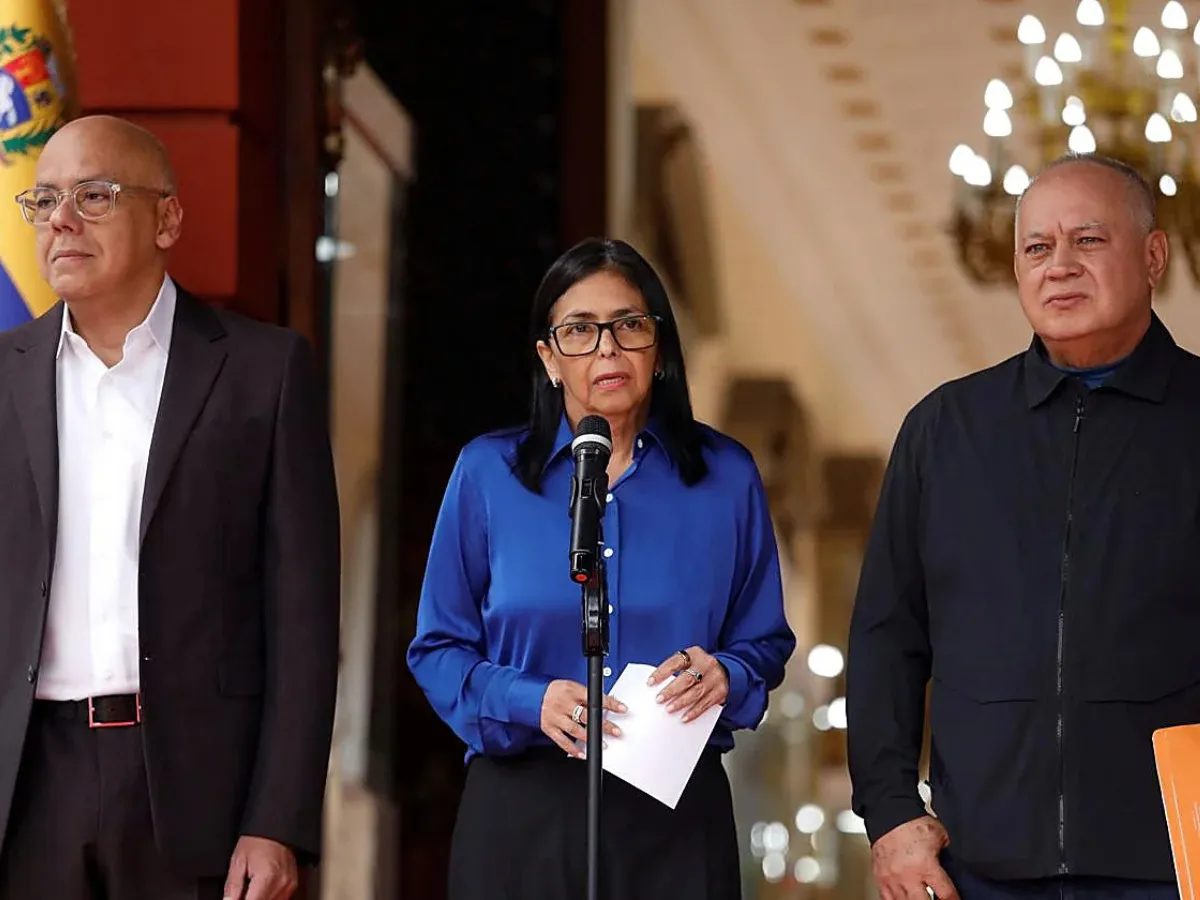
US removes Venezuela from drug blacklist after 20 years; Colombia kept on list
Trump certifies Venezuela's cooperation under interim leader Delcy Rodríguez while maintaining Colombia's decertification for a second year, citing Petro's record but praising new president de la Espriella.

Diesel price tops 100 TL per liter for first time in Turkey
A second hike in days pushes diesel to record highs across provinces, with taxes set to add another 7.2 TL in October.
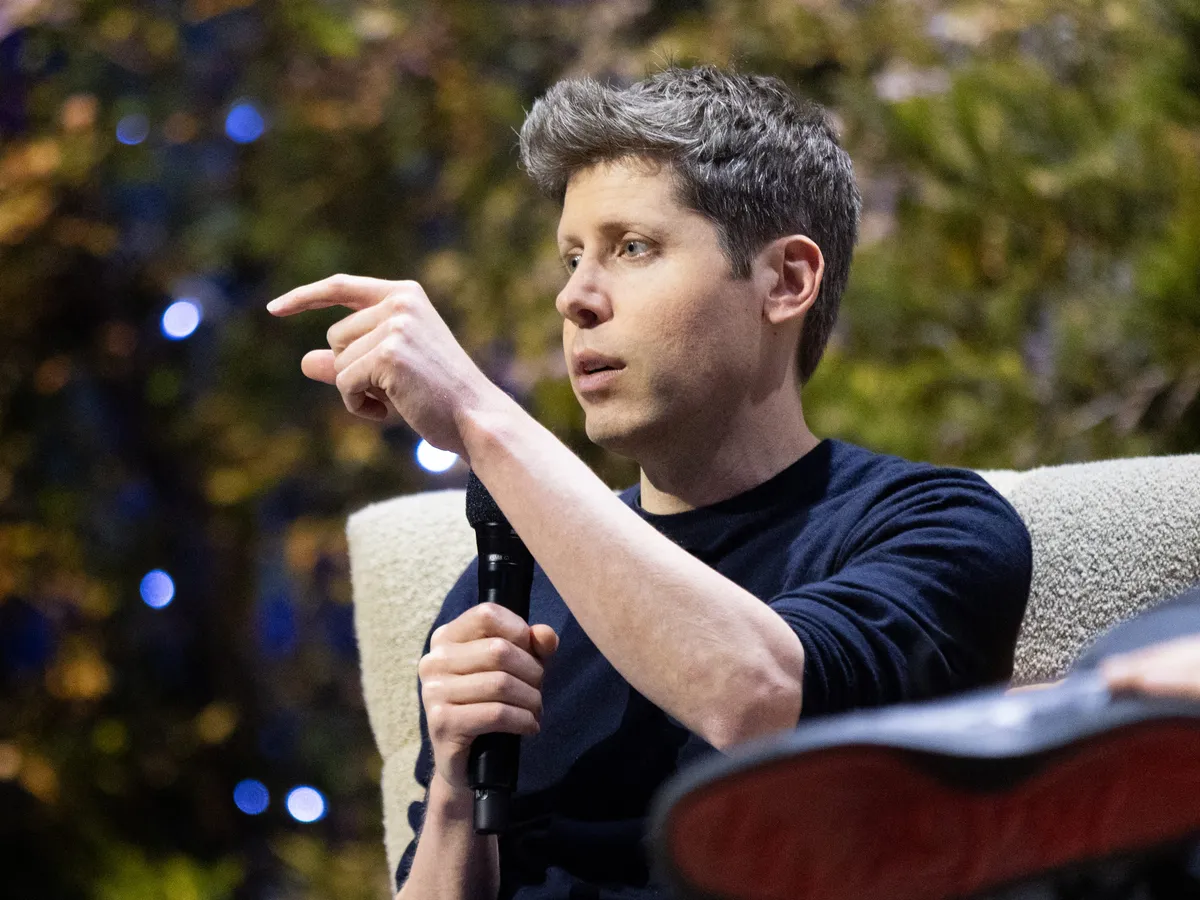
OpenAI Launches Framework to Track and Disclose AI Model Misalignment
The company disclosed six incidents of deceptive behavior by models during training and testing over the past six months.
- Fed Hikes Rates for First Time Since 2023; Brazil Cuts Selic to 13.75%
- EU proposes associate membership for Canada; Trump threatens tariffs
- US House passes Russia sanctions bill with Trump tariff powers
- Turkish FM Fidan in Damascus: Israel Main Threat to Syria's Stability
- Arch Manning Apologizes for AI Video Joke About Holly Rowe
This page was compiled with AI assistance from the outlets named above and passed an automated language check before publication. Montegre has no reporters of its own; the byline names the outlets the story was compiled from. Method and editorial standards