Brazil's Supreme Court to Rule on Sentencing Law That May Reduce Bolsonaro's Term
STF will judge four challenges to the Dosimetry Law between December 4 and 15, with possible effects on Bolsonaro's 27-year sentence.
KEY POINTS
- STF schedules judgment of four challenges to the Dosimetry Law for December 4-15
- Law may allow review of sentence calculations and reduce prison terms
- Jair Bolsonaro faces a 27-year and three-month sentence for the attempted coup
- 455 convicted individuals could benefit if the law is declared constitutional
- Carlos Zarattini demands the court declare the law unconstitutional
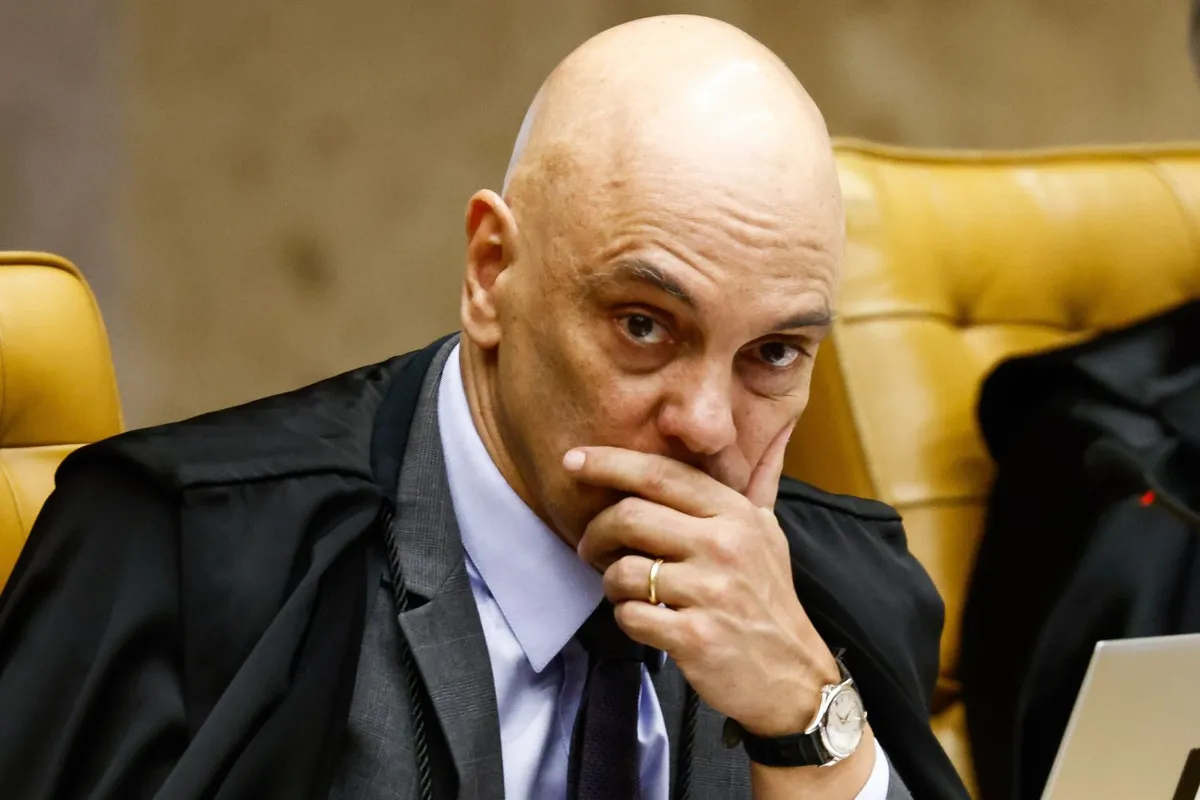
Supreme Court Minister Alexandre de Moraes scheduled four legal actions challenging the Dosimetry Law for virtual judgment between December 4 and 15. The law changes criteria for calculating and progressing prison sentences for crimes against the democratic state.
The decision could affect former president Jair Bolsonaro, who was sentenced to 27 years and three months for his role in the attempted coup, as well as other defendants linked to the January 8, 2023 acts.
“Dosimetria, não. O Supremo precisa declarar a lei inconstitucional e impedir a redução das penas impostas aos golpistas. Quem atentou contra a democracia deve responder por seus atos.”
The scheduling was announced on Thursday, November 19, following negotiations between National Congress representatives and the Supreme Court. The justices will vote electronically during the virtual session.
Federal deputy Carlos Zarattini of the Workers' Party urged the court to declare the law unconstitutional, saying those who attacked democracy must answer for their acts. He argued the law could reduce sentences imposed on coup plotters.
According to the Supreme Court, 455 people convicted of attempting to abolish the democratic state and of coup crimes could see their sentences reduced if the law is upheld. The January 8 attacks in Brasilia targeted the Supreme Court, the Planalto Palace, and the National Congress.
Senate President Davi Alcolumbre promulgated the law on May 8. President Luiz Inacio Lula da Silva vetoed it fully, but Congress later rejected the veto. Justice has suspended the law's application since May.
The law states that when several crimes against the state are committed in the same context, the judge should apply only the most severe punishment instead of adding all sentences together.
2 more sources below
TOPICS
COMMENTS (0)
No comments yet. Be the first.
RELATED STORIES
Sánchez prepares for televised debate against Feijóo amid 2023 trauma
Spain's prime minister rehearses for tonight's head-to-head with opposition leader Alberto Núñez Feijóo at the Television Academy.

Dollar Surpasses R$5.84 Amid Fiscal Package Uncertainty in Brazil
The Brazilian real weakened against the dollar as investors reacted to doubts over the government's fiscal adjustment plan and higher U.S. interest rates.

APC Leaders Urge Igbo Support for Tinubu’s 2027 Re-election in Anambra Rally
Governor Soludo and APC officials appealed to South-East voters to back President Tinubu’s second-term bid ahead of Nigeria’s 2027 general election.
- Argentina's Supreme Court Blocks Private Health Insurer Fee Hikes, Decrees Unconstitutional
- Trump Pardons Late Baseball Star Pete Rose After Gambling Ban
- Security Offensive Falls Short of Territorial Control After 100 Days
- University rector survives Konya car crash, wife dies
- White House Collects Journalists' Phones on Trump's China Departure Flight
This page was compiled with AI assistance from the outlets named above and passed an automated language check before publication. Montegre has no reporters of its own; the byline names the outlets the story was compiled from. Method and editorial standards