Elazığ students develop breath-analysis device for early cancer screening
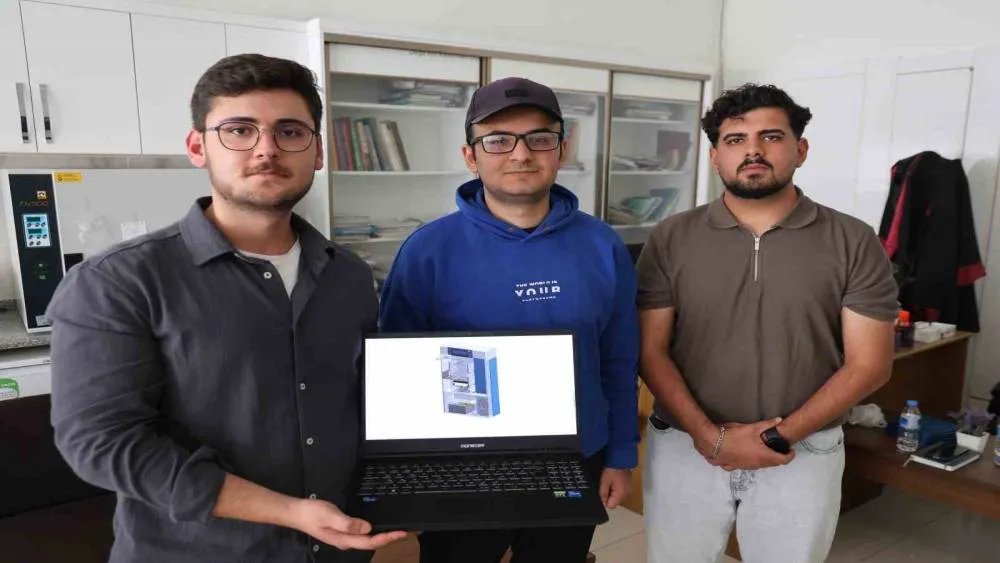
Three Fırat University students created a portable biosensor to detect cancer markers in breath, supported by TÜBİTAK funding.
KEY POINTS
- Three Fırat University students developed a portable breath-analysis biosensor for early cancer screening
- The device targets compounds such as acetone and isoprene in exhaled breath
- Nefsense won the Excellence Seal in the TÜBİTAK BiGG Investment 2026 First Call among 2,844 applications
- 91 initiatives nationwide received the Excellence Seal
- The prototype is planned for completion within one year
Three students at Fırat University in Elazığ have developed a portable electrochemical biosensor for early cancer screening through breath analysis. The device measures compounds such as acetone and isoprene in exhaled breath using molecularly imprinted polymer-based electrochemical sensors. The team aims to support lung cancer pre-screening and clinical risk assessment.
The students are Eren Akdeniz, a fourth-year physics student; Ömer Serdar Kayabaşı, a third-year software engineering student; and Mehmet Mustafa Ataş, a second-year physics student. Their project, called Nefsense, is advised academically by Prof. Dr. Canan Aksu Canbay and technically by Prof. Dr. Hamdi Soner Altundoğan.
“Kanserin ilk tanı aşamasında bir fırsat olacaktır”
Nefsense received the Excellence Seal under the TÜBİTAK BiGG Investment 2026 First Call. The program received 2,844 applications nationwide, and 91 initiatives were awarded the seal. The students said they secured investment from TÜBİTAK and also called on businesspeople to support the device.
The prototype is expected to be completed within one year and integrated into the health system. Academic adviser Canan Aksu Canbay said the device would offer an opportunity at the initial diagnosis stage of cancer.
Canbay added that Nefsense is the first TÜBİTAK 1 project accepted at Fırat University and that the students conducted research on developing a sensor that detects cancer. She described the sensor’s working principle as based on detecting thermodynamic moisture balance.
The adviser also said the project is among approximately 90 projects selected from about 3,000 carried out in Turkey and wished success for Fırat University and Elazığ.
2 more sources below
COMMENTS (0)
No comments yet. Be the first.
RELATED STORIES

Marc Marquez leads Malaysian MotoGP practice as Martin ends Friday early
Marc Marquez set the fastest time in Friday practice at the Malaysian Grand Prix while Jorge Martin stopped early due to injury concerns.

Athens Metro Line 3 closes five stations early for track work
Five Line 3 stations will close at 9:40 p.m. nightly from Sunday through Thursday as rail replacement work continues.

Iran Used 5,000 Shell Companies to Import $2.3 Billion in Military Goods Despite Sanctions
A Reuters investigation reveals how Tehran maintained missile and drone supplies through a hidden network of agencies while under US strikes and sanctions.
- Colombia confirms malaria, not Ebola, in two travelers from Congo
- Leclerc leads Mexico GP second practice as Colapinto finishes 16th
- Turkey issues presidential decrees restructuring ministries and appointing officials
- ECB selects Telefónica and Indra for secure digital euro infrastructure
- German Gen Z protests target budget cuts and military service
This page was compiled with AI assistance from the outlets named above and passed an automated language check before publication. Montegre has no reporters of its own; the byline names the outlets the story was compiled from. Method and editorial standards