EU proposes 'associated membership' for Canada, Trump threatens tariffs
Von der Leyen's surprise offer to deepen ties with Canada triggers US warnings of retaliation and unease among EU capitals.
KEY POINTS
- Von der Leyen proposes Canada as EU's first 'associated member' during State of the Union speech.
- EU capitals blindsided; legal status of 'associated membership' undefined.
- Trump threatens heavy tariffs on EU, calls move potential 'hostile act'.
- Canada seeks deeper EU ties to diversify from US amid trade war.
- Commission also proposes migration emergency framework and European Security Council.
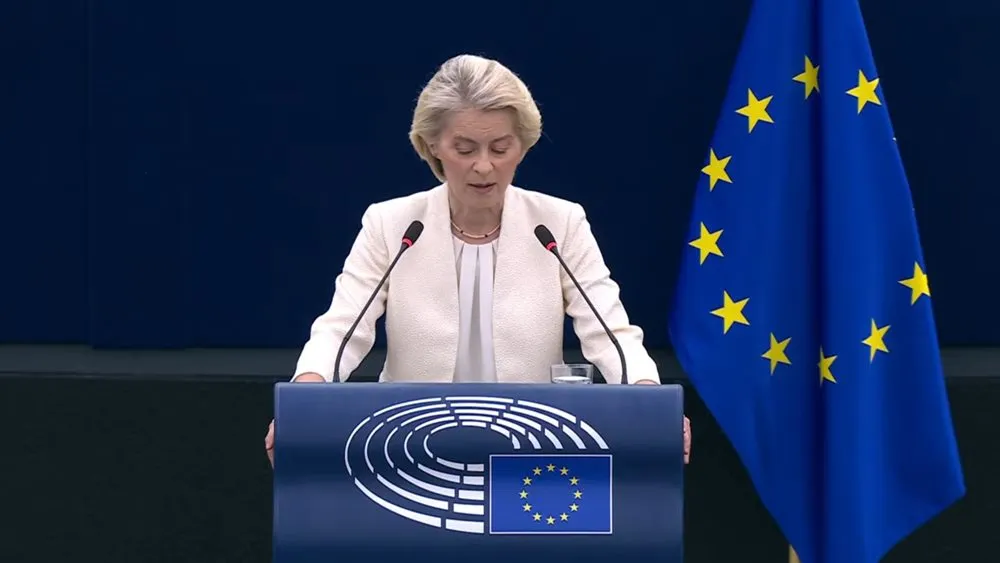
European Commission President Ursula von der Leyen proposed making Canada the EU's first "associated member" during her State of the Union address in Strasbourg on Wednesday. The plan aims to deepen cooperation on trade, defence, critical minerals, and Arctic security, building on the existing CETA agreement. Canadian Prime Minister Mark Carney, present as a guest, welcomed closer ties and sought a "unique alliance" to reduce reliance on the US.
The announcement caught EU member states off guard. Four diplomats confirmed their governments were not consulted beforehand, with one calling the Commission's secrecy "dangerous" and "reckless." Officials admitted the legal definition of "associated membership" remains undefined, and Parliament President Roberta Metsola avoided the term in her meeting with Carney.
“We want to work with you to open the door for Canada to become the first associated member of the European Union.”
US President Donald Trump reacted furiously, labelling the prospect "ridiculous" and a potential "hostile act." He threatened "very heavy tariffs" on the EU and possible trade disruption if the bloc proceeds. Trump's pressure coincides with an ongoing US-Canada trade war involving billions in mutual tariffs.
Von der Leyen also unveiled a European Emergency Framework for sudden migration surges and proposed a European Security Council including Canada, the UK, and Norway. She framed the initiatives as essential for European strategic autonomy in security, economy, and energy.
5 more sources below
COMMENTS (0)
No comments yet. Be the first.
RELATED STORIES

Turkey Unveils 500 Billion Dollar Energy Roadmap to 2040
The plan targets 500 billion dollars in investment, 10 GW nuclear power, and 175 GW renewable capacity by 2040.
European protests target data centers over AI energy and water use
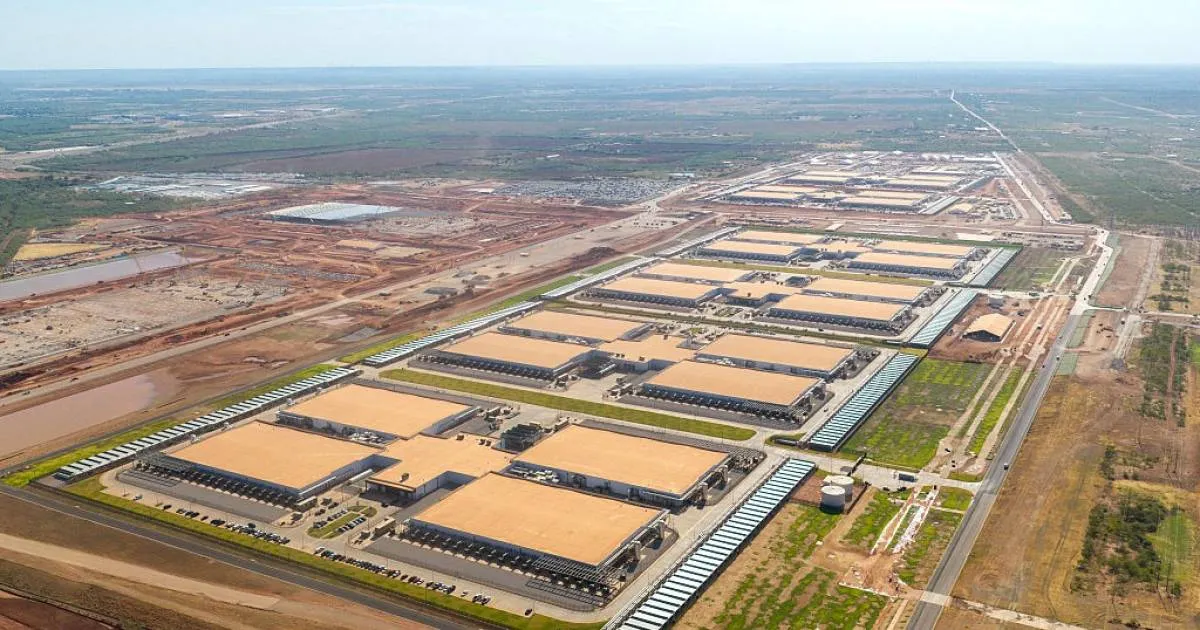
Activists in more than a dozen European countries demonstrated against data center construction, with over 100 people occupying a Microsoft site in Amsterdam.
Colombia adjusts strategy toward Democratic-led US Congress after midterm losses
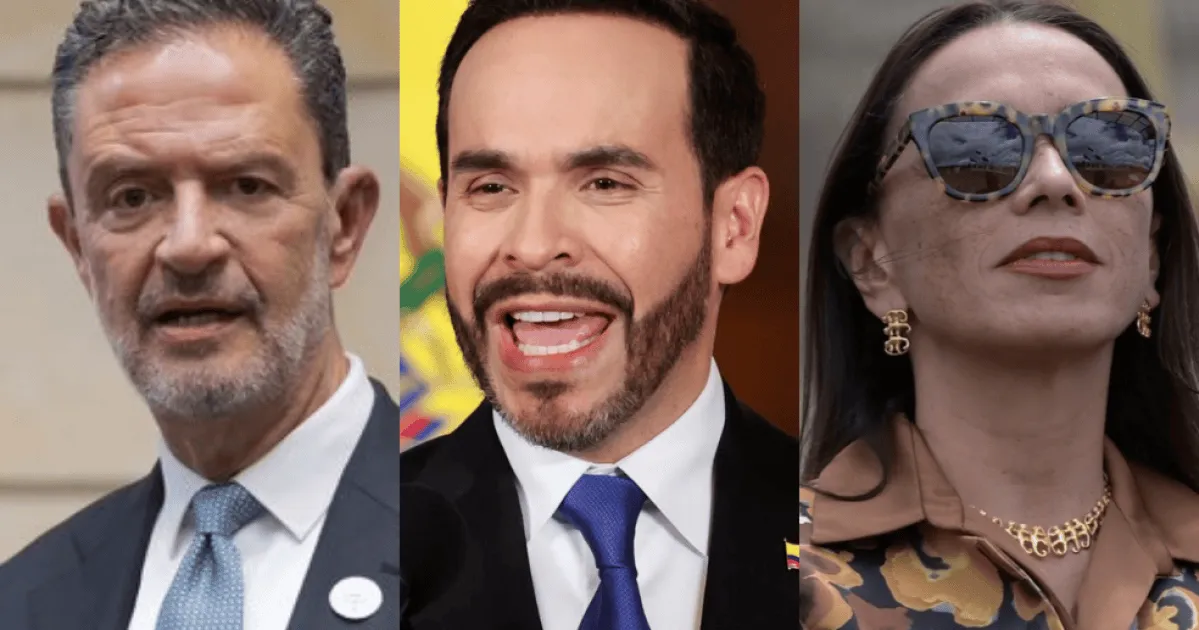
President Abelardo de la Espriella’s government seeks to protect US aid and budget funds by engaging new Democratic majorities.
- French judges open war crimes probe into Israeli Beirut strike
- Ravens to start rookie Joe Fagnano against Jaguars on Thursday Night Football
- EU sends Ukraine $4.36 billion aid as 2027 funding gap looms at $70 billion
- Democrats Win Texas Governor and Attorney General Races, Challenging Abbott’s Immigration Legacy
- Canada-China trade deal extended to end of 2028, seafood sector welcomes access
This page was compiled with AI assistance from the outlets named above and passed an automated language check before publication. Montegre has no reporters of its own; the byline names the outlets the story was compiled from. Method and editorial standards