Florida Republicans Hold State Offices Despite Shrinking Majority and Rising Independent Voters
Republicans kept the governor’s mansion and legislative control in 2026, but lost 15 House seats and face a growing unaffiliated electorate.
KEY POINTS
- Republicans kept the governor’s mansion, Cabinet and both legislative chambers
- Byron Donalds won the governor’s race with about 50 percent of the vote
- Republicans lost 15 Florida House seats, falling from 85 to 70
- Republicans hold a 1.5 million voter registration advantage over Democrats
- Nearly four million voters are unaffiliated with either major party
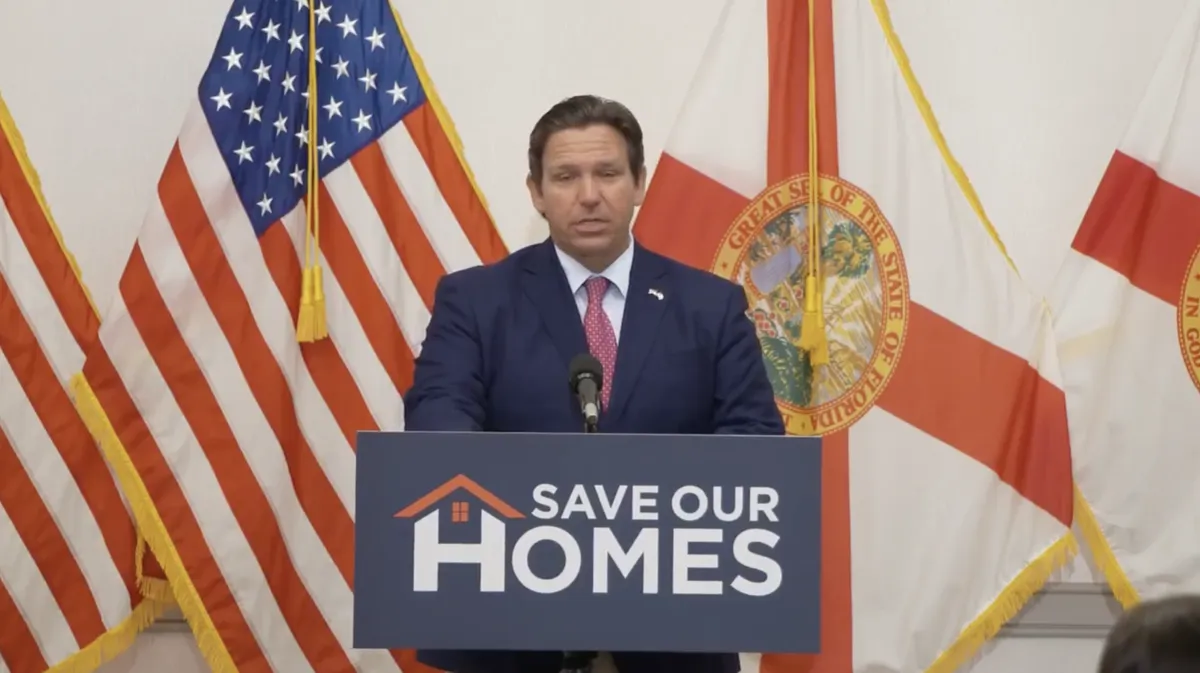
Florida Republicans retained the Governor’s Mansion, the Cabinet and control of both legislative chambers in the 2026 midterm elections despite strong Democratic gains elsewhere in the country. Governor Ron DeSantis described the national political climate as a “meteor strike” for Democrats and praised Florida as the only large conservative-leaning state that held the line.
Republican gubernatorial nominee Byron Donalds won with approximately 50 percent of the vote, even though Republicans held a substantial registration advantage and outspent his opponent nearly six to one. The party lost 15 seats in the Florida House, reducing its majority from 85 seats to 70, while Democrats now hold 50 seats and Republicans surrendered their legislative supermajorities.
Florida Republicans reported 1.5 million more registered voters than Democrats, a gap political science professor emerita Susan MacManus cited as central to their victories. Republican turnout reached 62.6 percent of registered voters, compared with 68.4 percent for Democrats, producing an overall turnout rate of 60.8 percent.
Voter registration has shifted significantly since 1992, when about 51 percent of registered voters were Democrats and 41 percent were Republicans. Today approximately 41.5 percent are Republicans, 30.2 percent are Democrats and 28.3 percent are registered with minor parties or no party affiliation.
Nearly four million Florida voters now decline to affiliate with either major party, even though unaffiliated voters generally cannot participate in partisan primaries. Registrations outside the two major parties have risen approximately 600 percent since 1992, while Republican registrations grew about 112 percent and Democratic registrations grew about 25 percent.
DeSantis launched a national press tour to discuss Florida’s continued Republican standing and the condition of the national GOP, though he declined to accept the label of Republican “savior.” MacManus noted that Republican wins were narrower than four years ago and warned that the results should concern party leaders as independent voters grow in number.
2 more sources below
TOPICS
COMMENTS (0)
No comments yet. Be the first.
RELATED STORIES
Death of 32-Year-Old Patient at Zagreb Psychiatric Hospital Sparks Political Outcry
Family lawyer denies Kristian Josip Periša was aggressive or addicted as officials clash over a 15-day delay in reporting his death to the Health Ministry.

Nate Silver Names Georgia Senator Ossoff as Top 2028 Democratic Pick
Polling analyst Nate Silver called Senator Jon Ossoff a slam-dunk choice to lead Democrats in 2028.
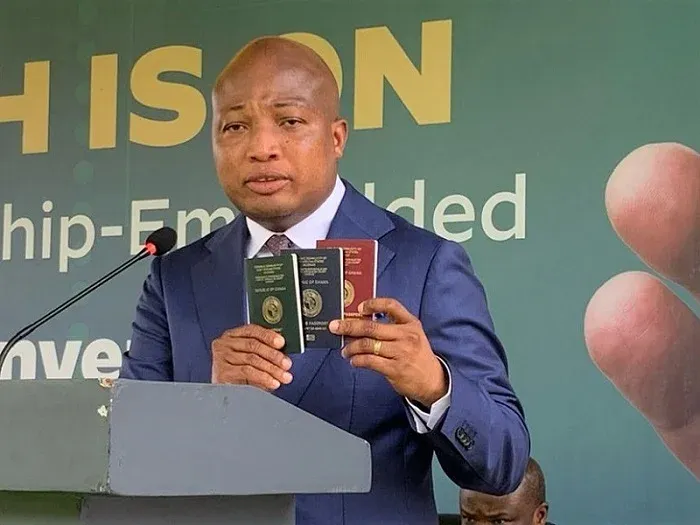
Ghana Minority Alleges Diplomatic Passport Sale Scheme
Parliament's Minority says unqualified people obtained diplomatic and service passports through a travel business allegedly run by Foreign Affairs Ministry and Passport Office officials.
- Greek Defense Minister Opens Conference on Western Balkans Security Role
- Duterte impeachment defense to present wealth evidence Monday
- Absent Democrats Help Block Hegseth Impeachment Attempt
- Tinubu Vows to Defeat Nigeria's Enemies and Fix Power Supply in Jigawa Rally
- Indonesian lawmakers consider probe into Vice President Gibran's eligibility
This page was compiled with AI assistance from the outlets named above and passed an automated language check before publication. Montegre has no reporters of its own; the byline names the outlets the story was compiled from. Method and editorial standards