Japan launches first round-trip mission to collect samples from Mars moon Phobos
JAXA's MMX probe will land on Phobos, gather surface material, and return to Earth to investigate the origin of Mars's moons and the solar system.
KEY POINTS
- MMX probe launches from Tanegashima on Tuesday at 4:41 am aboard an H3 rocket
- Mission aims to collect at least 10 grams of samples from Phobos and return them to Earth
- IDEFIX rover will survey the surface before landing to ensure safety
- Samples may help determine if the moons resulted from a giant impact or were captured asteroids
- About 0.1 percent of collected material is expected to come from Mars
Japan is preparing to launch the unmanned Martian Moons eXploration (MMX) probe from the Tanegashima Space Centre on Tuesday at 4:41 am local time aboard an H3 rocket. The mission, developed with NASA, European agencies, universities, and tech companies, aims to be the world's first round trip to the Martian system.
The spacecraft will reach Mars about one year after launch and orbit Phobos for up to three years before landing. It will collect at least 10 grams of surface material, with an IDEFIX rover conducting observations first to ensure a safe landing.
“Despite their potential importance, Martian moons have never been fully investigated. They are known as the most important unclimbed mountains in the solar system.”
JAXA hopes the samples will reveal whether Phobos and Deimos formed from a giant impact on Mars or were captured asteroids. Scientists estimate that about 0.1 percent of the collected material may originate from Mars itself.
The mission will also observe Deimos without landing and assess using Phobos as a natural space station for future crewed Mars exploration. The probe is expected to return to Earth after a five-year mission.
2 more sources below
COMMENTS (0)
No comments yet. Be the first.
RELATED STORIES

Brazil Election Court Suspends Crypto Site Backing Flávio Bolsonaro
Lula's coalition accused the Brazil 22 Token project of paying users with cryptocurrency to promote Flávio Bolsonaro's presidential campaign.
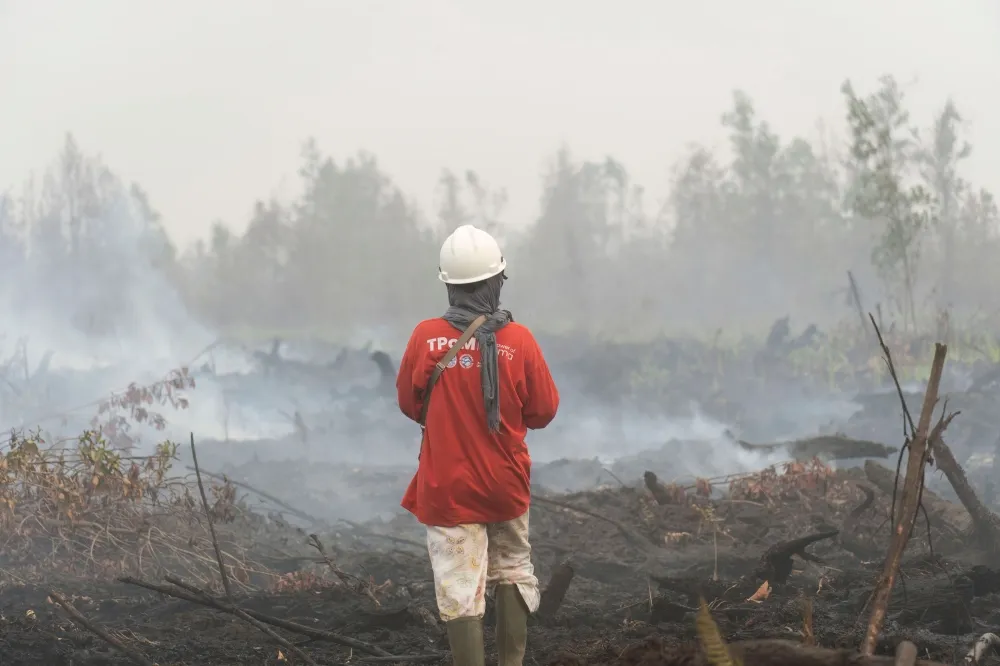
Indonesia peat fires drive severe haze across Southeast Asia
Underground peatland fires worsened by El Niño and drainage for plantations have blanketed the region in hazardous smoke since April.

India's Supreme Court bans paywalled child sexual abuse content on online platforms
The court ordered all intermediaries to block child sexual exploitation material offered through paywalls or subscriptions.
- Supreme Court Rules Internet Access Is a Fundamental Right for Children
- WhatsApp AI Favors Flávio Bolsonaro Over Lula in Election Image Tests
- iPhone Duo preorders sell out, shipping slips to January 2027
- Greece–Cyprus power cable surveys set to resume after October
- Turkey Deploys First Floating Gas Platform to Double Black Sea Output
This page was compiled with AI assistance from the outlets named above and passed an automated language check before publication. Montegre has no reporters of its own; the byline names the outlets the story was compiled from. Method and editorial standards