NASA's Swift Observatory to Reenter Earth's Atmosphere This Week
The 1,500-kilogram space telescope, launched in 2004, will make an uncontrolled reentry after a robotic rescue mission failed.
KEY POINTS
- Swift Observatory launched in November 2004 and operated for 22 years
- Orbit decayed to 275 kilometers on October 20
- Robotic rescue mission failed to boost the telescope to a higher orbit
- Telescope weighs approximately 1,500 kilograms
- Swift detected over 2,000 gamma-ray bursts during its mission
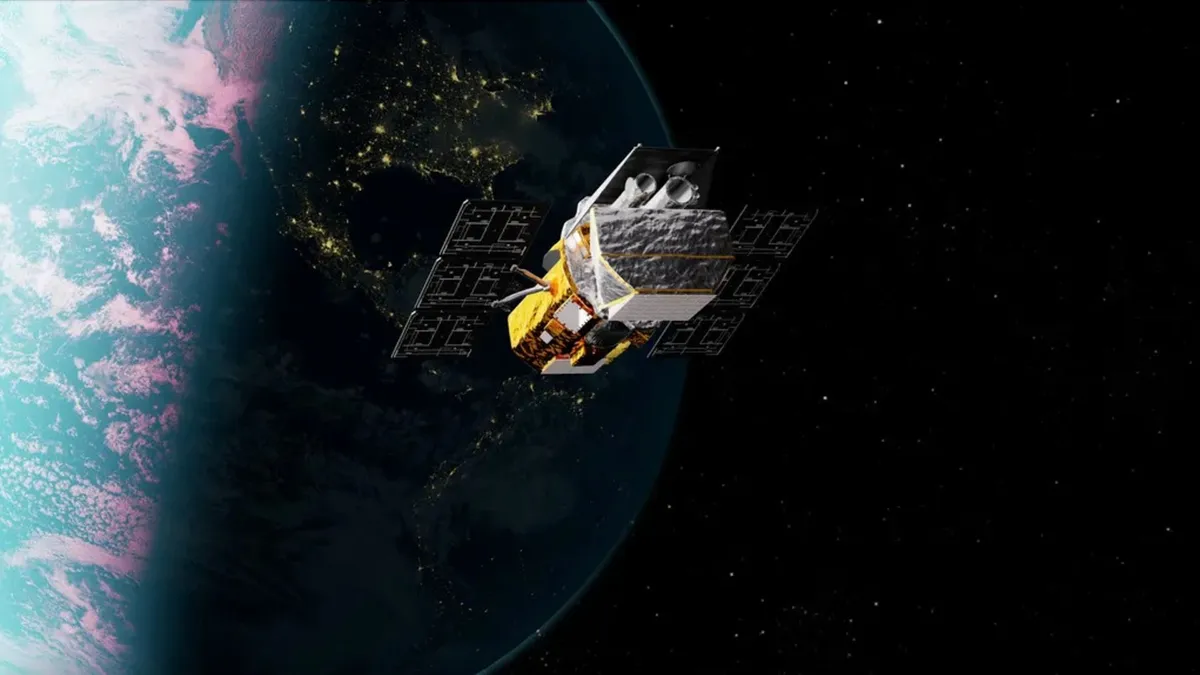
NASA's Swift space telescope is expected to crash back to Earth in an uncontrolled reentry within the next few days. The Neil Gehrels Swift Observatory, launched in November 2004, spent over two decades studying gamma-ray bursts and other cosmic events.
On October 20, NASA reported that Swift's orbit had decayed to 275 kilometers above Earth. The roughly 1,500-kilogram observatory could no longer compensate for increased atmospheric drag and entered safe mode.
“It is unfortunate that Swift was not reorbited, but from a reentry hazard perspective it is a small portion of the stuff coming back in.”
A robotic rescue mission designed to boost the telescope to a higher orbit failed. Swift's operations team at Pennsylvania State University then sent a command that effectively ended its operations ahead of its destructive reentry.
Experts say the observatory will likely disintegrate sufficiently upon reentry to avoid posing a ground casualty hazard. However, internal components of its X-ray and optical telescopes might survive the fall.
The exact time and location of the reentry remain unclear. Researchers note that objects reentering Earth's atmosphere occur ten times more often per year now than they did five years ago.
Swift detected more than 2,000 gamma-ray bursts and studied over 1,400 supernovas during its mission. Its data contributed to approximately 7,000 scientific articles.
The satellite's fall is driven by atmospheric drag, which has been amplified by recent solar activity swelling the upper layers of the atmosphere.
2 more sources below
COMMENTS (0)
No comments yet. Be the first.
RELATED STORIES

Apple CEO John Ternus Faces First Earnings Call Amid Memory Cost Surge
Investors will watch Apple's holiday-quarter forecast and AI strategy as rising memory-chip costs threaten profit growth.

Nine detained in Istanbul over illegal ticket sales ahead of Champions League match
Police seized one handgun, 41 flares and digital material during raids targeting black-market ticket sales for the Fenerbahçe-Liverpool game.

Anthropic Reports $17 Billion Q3 Revenue Amid $23 Billion Loss Before IPO
AI company Anthropic posted soaring revenue and widening losses ahead of its planned Nasdaq listing under ticker ANT.
- Apple Reports Record Q4 2026 Revenue Under New CEO John Ternus
- Two children dead, 12 injured in Diyarbakır truck crash
- Son of former MHP district chief dies after car falls into Kizilirmak River in Kayseri
- ICE Agent Indicted in Houston After Running Over Man With SUV
- Global Journalism Council's 6th Media Meeting Starts in Alanya on November 6
This page was compiled with AI assistance from the outlets named above and passed an automated language check before publication. Montegre has no reporters of its own; the byline names the outlets the story was compiled from. Method and editorial standards