Argentina's country risk climbs above 930 points as dollar hits yearly high
The official dollar reached its highest level of the year while country risk rose 2.47 percent amid Brazilian real depreciation.
KEY POINTS
- Country risk rose 2.47 percent and reached 930 points
- Official dollar closed at 1,585 pesos, its highest value of the year
- Wholesale dollar reached 1,565 pesos after four consecutive gains
- International reserves dropped 190 million dollars to 49.551 billion dollars
- Anthropic's IPO raised 81.34 billion dollars, the largest in history
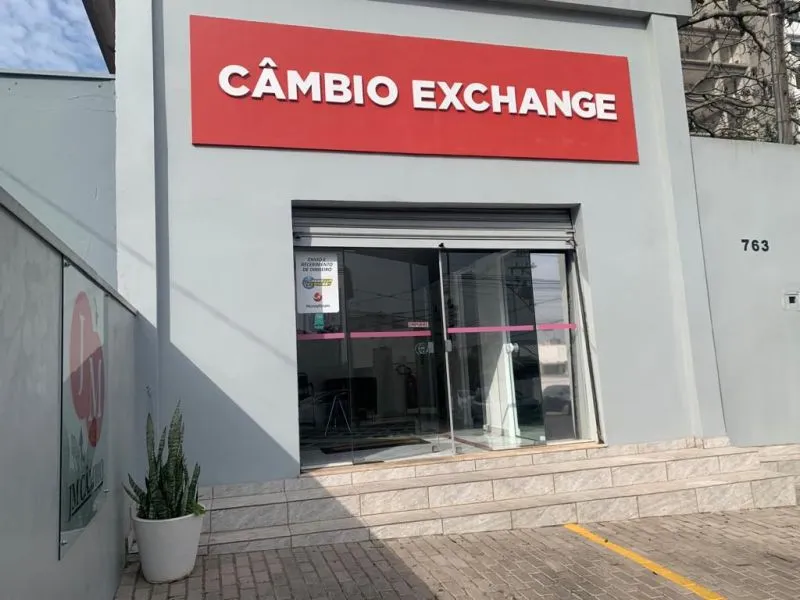
Argentina's country risk rose 2.47 percent during early Thursday trading and climbed to 930 points, driven by renewed depreciation of the Brazilian real. The official dollar maintained its upward trend and surpassed its highest value of the year, closing at 1,585 pesos at Banco Nación, five pesos higher than the previous day. The average market price stood at 1,589.34 pesos according to the Central Bank, while some financial institutions traded above 1,590 pesos.
The wholesale dollar deepened its upward trend for a fourth consecutive session, increasing by 5.50 pesos to reach 1,565 pesos, a new nominal maximum. This narrowed the gap with the exchange-rate band ceiling of 1,975.44 pesos to 26.2 percent. Over four days, the wholesale dollar advanced 21.50 pesos, marking the largest weekly increase since the week ending June 19.
“I have no rush, I will announce the new ministers at the hour and day I want.”
Financial dollars also recorded significant jumps. The cash with settlement dollar rose 42.96 pesos to 1,771.66 pesos, while the MEP added 13.92 pesos to reach 1,643.76 pesos. In the informal market, the blue dollar traded at 1,640 pesos, its highest price, accumulating a 75-peso gain so far this month.
International markets turned red despite enthusiasm for Anthropic's initial public offering, which raised 81.34 billion dollars and exceeded investor supply by more than seven times. The IPO marked the largest public offering in history, surpassing SpaceX's record, though it was overshadowed by regional currency tensions.
Locally, lower Central Bank intervention and a collapse in gold prices caused international reserves to fall by 190 million dollars, reaching a provisional level of 49.551 billion dollars. The government also used the third decree of necessity and urgency of the year to formalize a 7.5 trillion peso reduction in the 2026 financial surplus.
Brazilian President Luiz Inacio Lula da Silva said he would announce new ministers at the time and day of his choosing, while signaling a public accounts adjustment without details. The Central Bank of Brazil intervened to ease the dollar's rise, with the real at 5.92 per dollar, up 18.2 percent since the October 25 electoral runoff.
3 more sources below
COMMENTS (0)
No comments yet. Be the first.
RELATED STORIES
Dollar Surpasses R$5.84 Amid Fiscal Package Uncertainty in Brazil
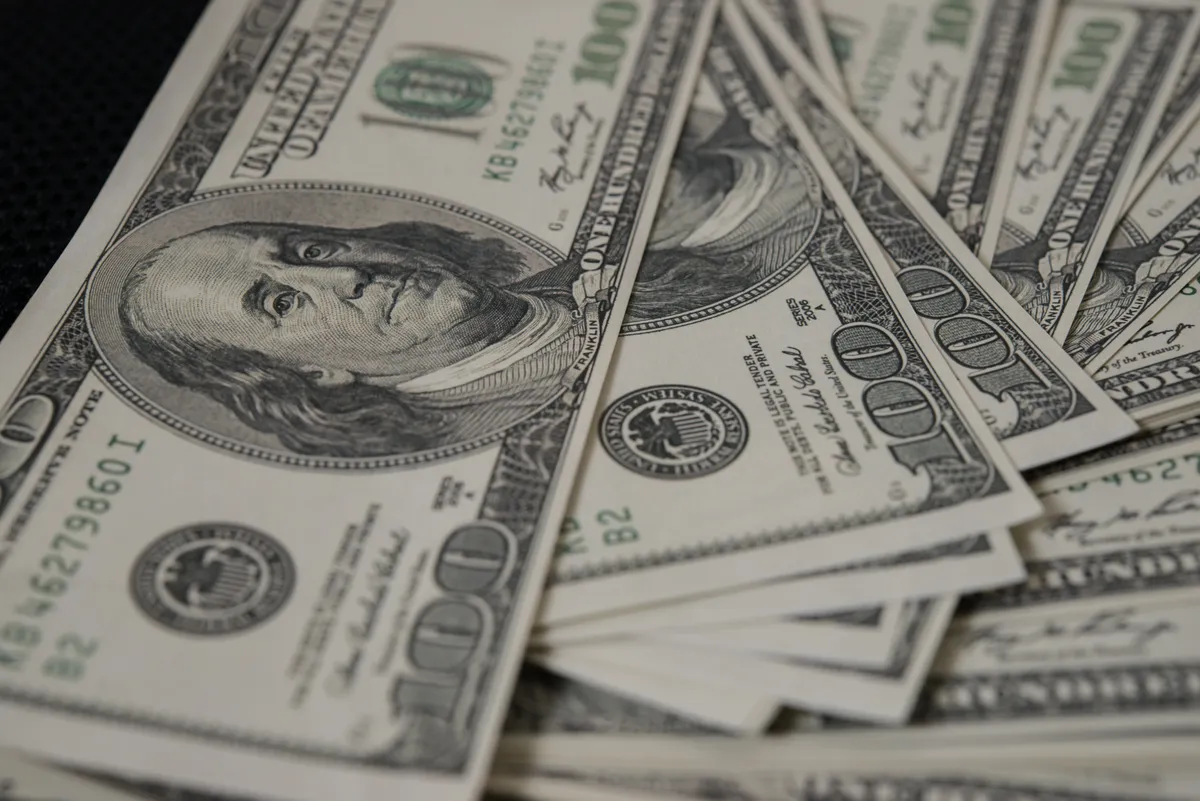
The Brazilian real weakened against the dollar as investors reacted to doubts over the government's fiscal adjustment plan and higher U.S. interest rates.
APC Leaders Urge Igbo Support for Tinubu’s 2027 Re-election in Anambra Rally
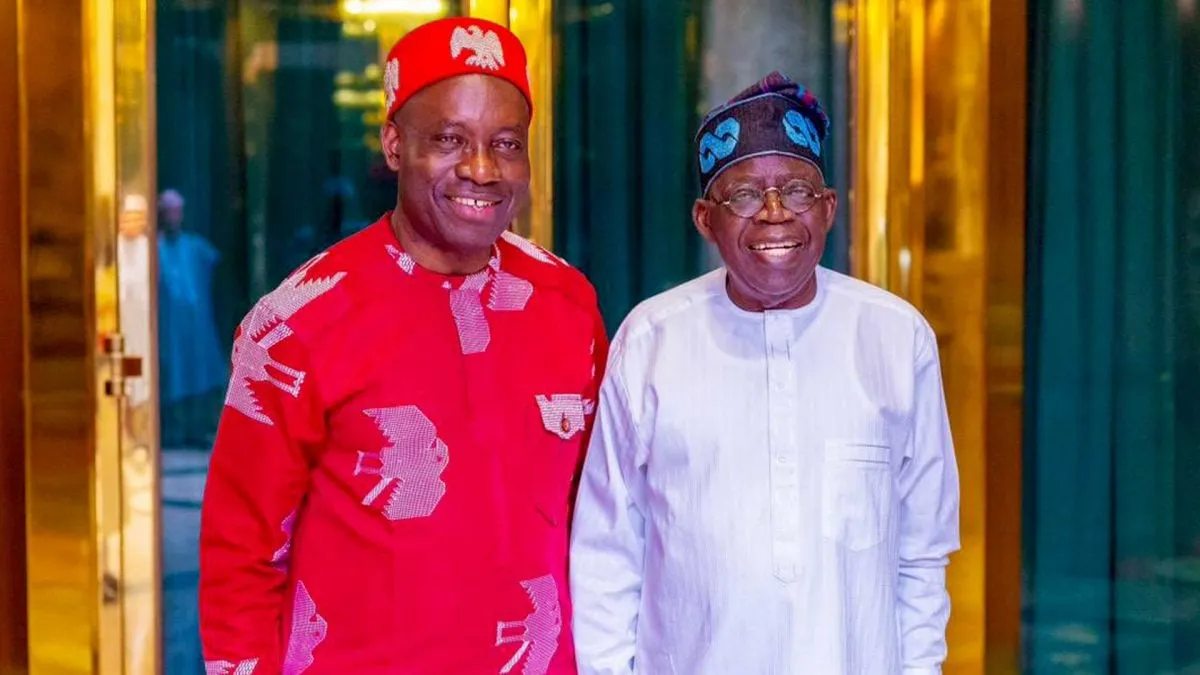
Governor Soludo and APC officials appealed to South-East voters to back President Tinubu’s second-term bid ahead of Nigeria’s 2027 general election.

Diesel price cut expected in Turkey on November 20
Sector sources anticipate a diesel reduction per litre on Friday, while gasoline prices remain unchanged.
- Argentina's Supreme Court Blocks Private Health Insurer Fee Hikes, Decrees Unconstitutional
- Anthropic IPO Draws Protests Over Pension Fund Exposure
- Colombia opposition plans second national strike against fiscal reform
- Google DeepMind launches Gemini 4 Neon AI model at third place in rankings
- European Leaders Reject Trump-Putin-Xi Shenzhen Summit as New Yalta Over Ukraine
This page was compiled with AI assistance from the outlets named above and passed an automated language check before publication. Montegre has no reporters of its own; the byline names the outlets the story was compiled from. Method and editorial standards