Saudi Air Defenses Tested by Houthi Strikes on Riyadh Airport
Intercepted missiles still caused casualties, raising concerns over interceptor stockpiles and the difficulty of defending vast territory against simultaneous attacks.
KEY POINTS
- October 10-11 Houthi attacks on Riyadh airport killed 14 and wounded 308.
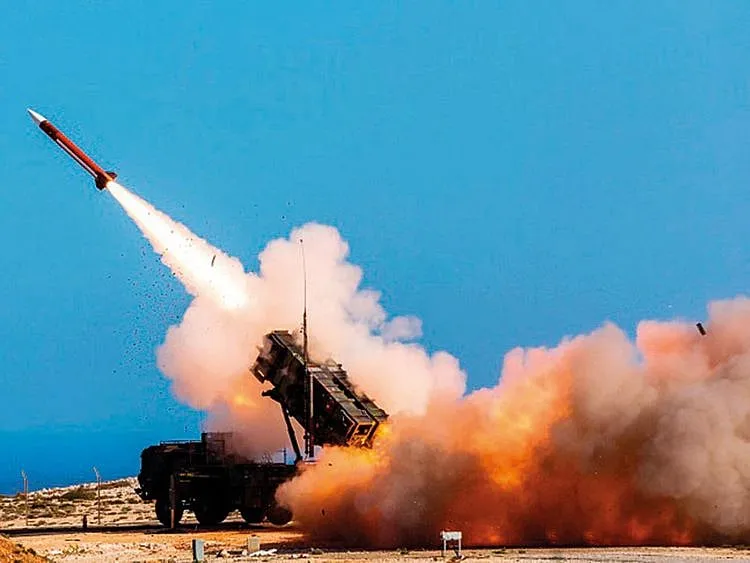
- Saudi Arabia fields the world's second-largest Patriot force and is buying seven THAAD batteries.
- Experts say no system can fully stop simultaneous ballistic, cruise, and drone salvos.
- WSJ reports Saudi officials worry about dwindling interceptor missile stocks.
- US stockpile pressure from high expenditure rates complicates rapid resupply for allies.
Houthi attacks on October 10 and 11 struck Riyadh's King Khalid International Airport, killing at least 14 people and wounding 308, according to Saudi authorities cited by Reuters and The National. The strikes involved ballistic missiles, cruise missiles, and drones, demonstrating the ability to penetrate layered defenses.
Saudi Arabia operates the world's second-largest Patriot missile fleet and is acquiring seven THAAD batteries, forming a sophisticated integrated architecture. However, experts state no existing system can guarantee interception against repeated, simultaneous salvos, resulting in "leakage" that hits civilian infrastructure.
“No existing system, including those protecting the United States, can guarantee the interception of repeated, simultaneous attacks involving ballistic missiles, cruise missiles and drones.”
A Wall Street Journal report cited by Open Magazine indicates Saudi officials are concerned about dwindling interceptor missile stocks. Analyst Francis Tusa noted that heavy expenditure during recent conflicts has pressured US stockpiles, complicating rapid resupply for allies despite Saudi financial capacity.
The airport attacks have made the vulnerability of critical infrastructure visible to international airlines and businesses. Protecting a country larger than Western Europe requires stretching defenses across all corners, a challenge that close-in defense systems struggle to meet given the number of potential targets.
2 more sources below
COMMENTS (0)
No comments yet. Be the first.
RELATED STORIES
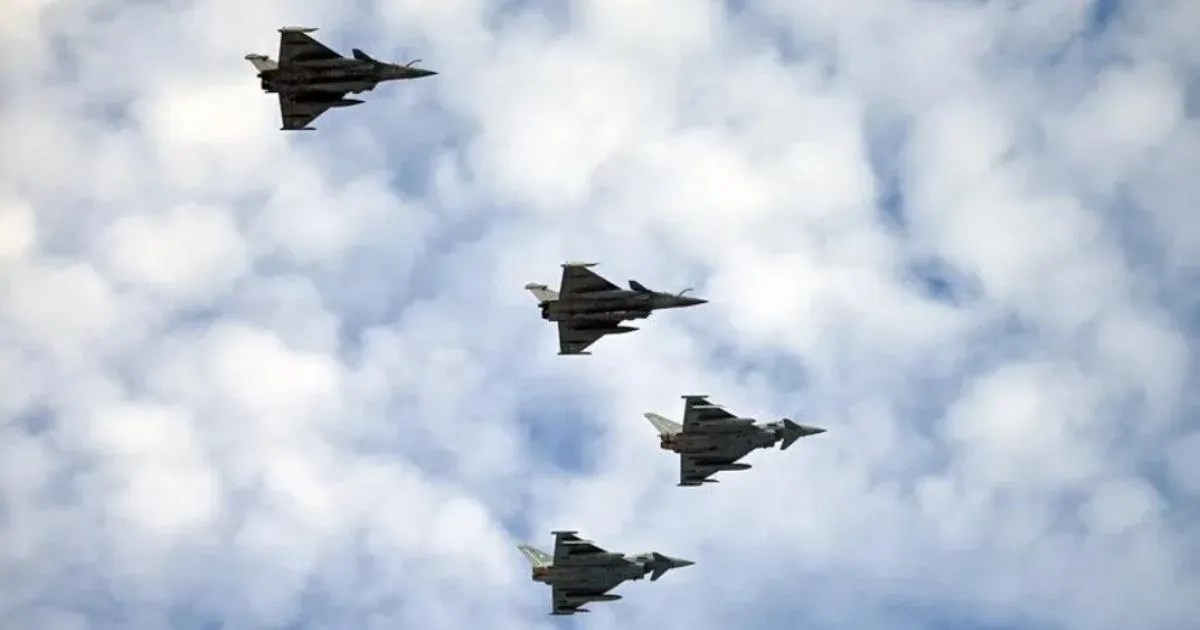
NATO Commander Warns Russia: Alliance Will 'Break' Any Attacking Force
Supreme Allied Commander Europe Gen. Alexus Grynkewich outlines a 'block, blunt, break' strategy at the Warsaw Security Forum to deter Russian aggression.
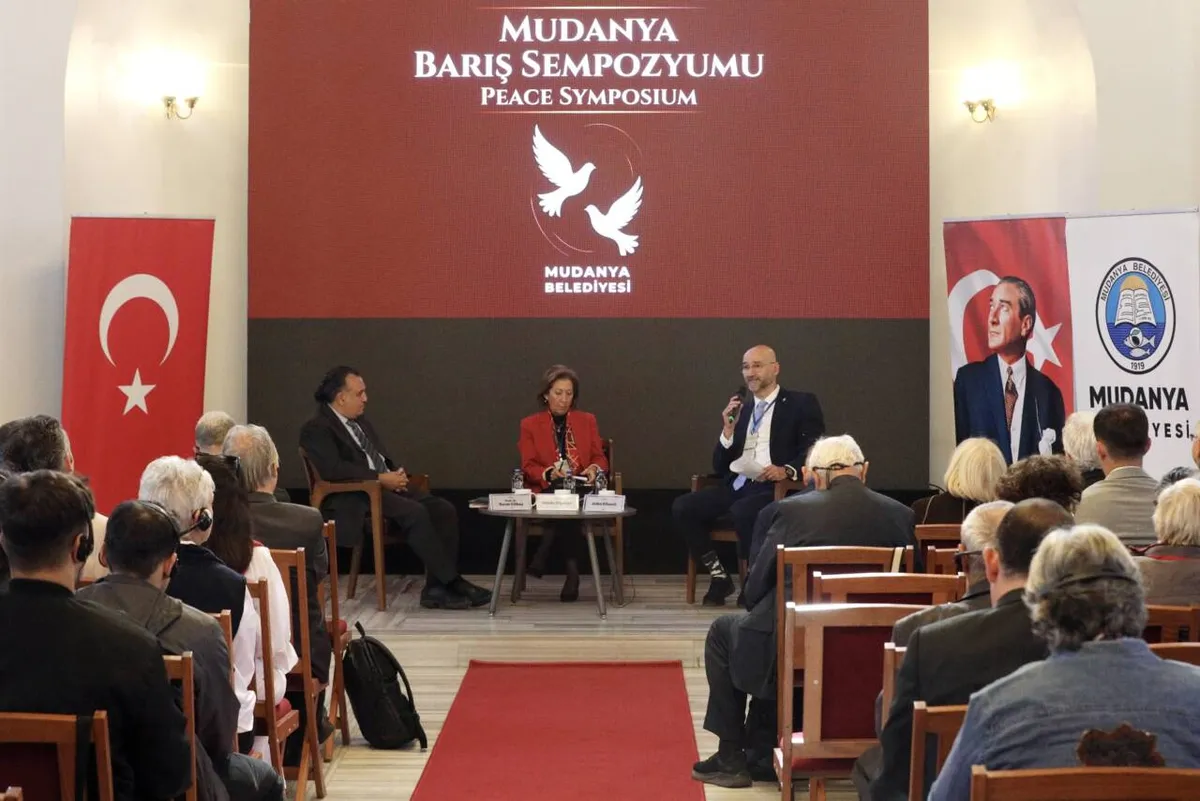
Mudanya Armistice 104th Anniversary Marked with Symposium and Ceremony
Officials and scholars gathered in Mudanya to commemorate the 1922 armistice that ended the Turkish War of Independence and secured Eastern Thrace.

PTI Long March Enters Seventh Day as KP Chief Minister Defies Federal Warnings
Khyber Pakhtunkhwa Chief Minister Sohail Afridi leads a convoy from Lakki Marwat toward Islamabad demanding Imran Khan's release, rejecting federal counterterrorism policy and warnings of governor's rule.
- Trump Claims Eight Wars Ended, Demands Nobel Peace Prize
- UK bans Orange Order march on Garvaghy Road after two-week standoff
- Oil Surges Past $106 on Houthi Attacks, Tanker Strikes
- Drone Strikes on Russian Data Centers Disrupt Yandex Services Across Central Asia
- Turkish Interior Minister Meets Greek Counterpart on Security Cooperation
This page was compiled with AI assistance from the outlets named above and passed an automated language check before publication. Montegre has no reporters of its own; the byline names the outlets the story was compiled from. Method and editorial standards