Judge Orders Access to Religious Materials for Terrorism Defendant
A federal judge says a terrorism defendant must be allowed to read religious materials, including violent passages, because similar Bible texts are not banned in jails.
KEY POINTS
- Judge Colleen McMahon ordered prosecutors to allow a terrorism defendant access to religious materials.
- The defendant, Mohammad Baqer Saad Dawood al-Saadi, is a dual Iranian-Iraqi national.
- The materials include a biography of a man who lived 1,300 years ago.
- Al-Saadi is accused of passing secret messages to Iranian operatives planning an attack on a British air base.
- Three suspicious vans were spotted near the air base on September 27.
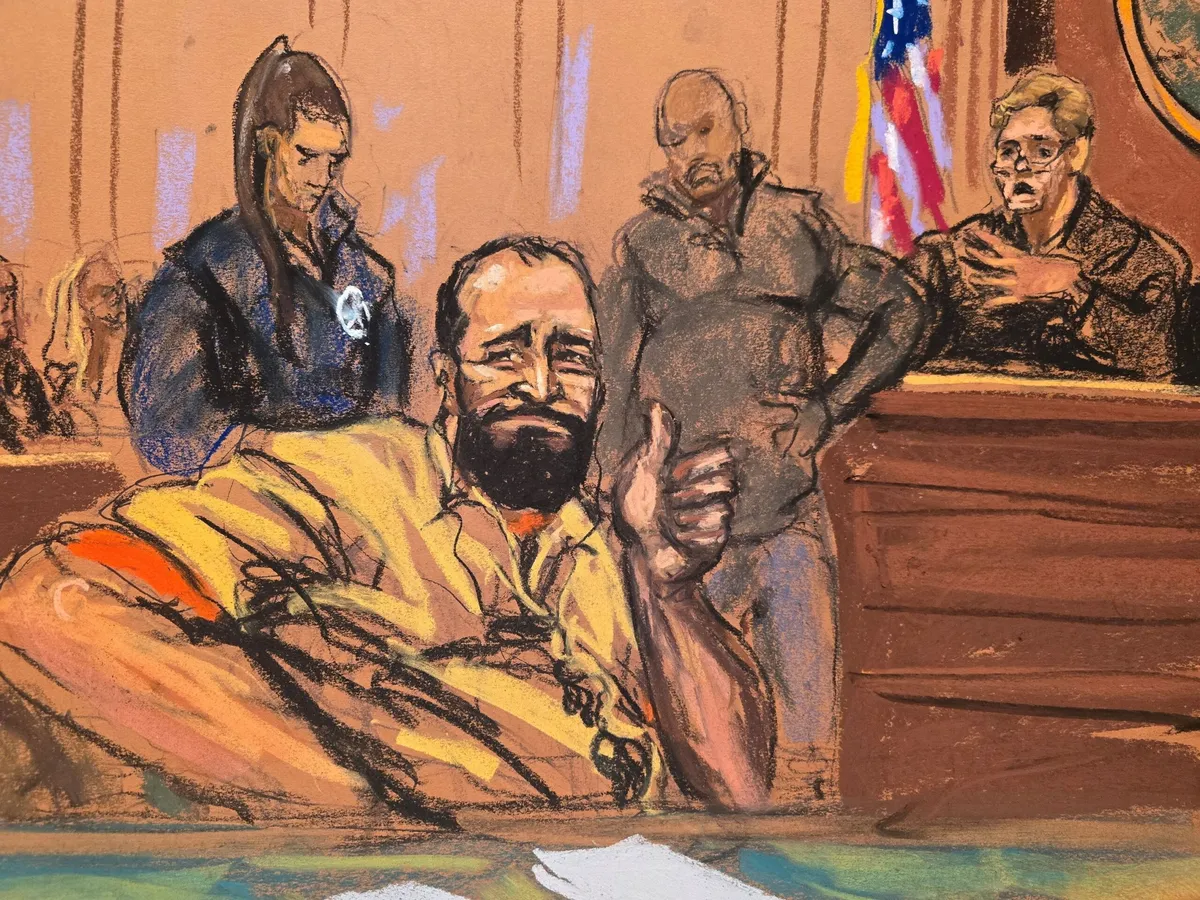
U.S. District Judge Colleen McMahon told federal prosecutors on Thursday that the government must permit a terrorism defendant to access religious materials describing an important figure in Muslim history, even if the passages advocate violence. She compared the materials to violent texts in the Bible, which are never banned from distribution in jails.
The defendant, Mohammad Baqer Saad Dawood al-Saadi, is a dual Iranian-Iraqi national jailed on terrorism charges. During the hearing, he repeatedly tried to speak directly to the judge, leading U.S. marshals to usher him quickly out of the courtroom at one point.
“There are passages in the Bible that could be read the same way.”
His lawyer, Andrew Dalack, said the government had denied al-Saadi access to a biography of a man who lived 1,300 years ago. McMahon described that man as a seminal figure in Muslim history.
Assistant U.S. Attorney Jeffrey Coyle said the materials sent by al-Saadi's family contained passages that justify the blood revenge of enemies.
McMahon stopped just short of issuing a formal ruling from the bench that religious texts do not pose a threat to the special administrative measure that severely limits al-Saadi's communications with the outside world. However, she made her opinions clear during the hearing.
Al-Saadi was charged last week in a rewritten indictment accusing him of trying to pass secret messages to Iranian operatives planning an attack on a British air base used by the U.S. Air Force. The superseding indictment alleged he had a role in plotting to attack the Royal Air Force Base in Fairford, western England, even though he had been arrested last spring.
A group of men were detained on September 27 on suspected explosives and terrorism offenses after three suspicious vans were spotted traveling toward the air base where U.S. bombers are stationed. The judge also said she did not understand why he had been denied newspaper articles about support for him in Egypt and a demonstration carried out on his behalf.
4 more sources below
COMMENTS (0)
No comments yet. Be the first.
RELATED STORIES

Russian citizen charged in US for spying on Palantir employees over Ukraine aid
Igor D’iu is accused of tracking Palantir staff in Silicon Valley at Russia’s behest after entering the US illegally from Mexico.

Trial begins for man accused of killing British woman in Florida
Family members say they are nervous and emotional as Dwain Hall goes on trial for the murder of Sonia Exelby.

Trump Pardons Late Baseball Star Pete Rose After Gambling Ban
President Donald Trump has issued a posthumous pardon for Pete Rose, who was banned from Major League Baseball for gambling.
- Florida to carry out 20th execution of the year Thursday
- Security Offensive Falls Short of Territorial Control After 100 Days
- White House Collects Journalists' Phones on Trump's China Departure Flight
- Kushner to Meet European Leaders in Berlin on Ukraine Security Guarantees
- China bars Bloomberg reporter from Trump-Putin-Xi meeting after Nvidia question
This page was compiled with AI assistance from the outlets named above and passed an automated language check before publication. Montegre has no reporters of its own; the byline names the outlets the story was compiled from. Method and editorial standards