Two cargo ships sink in Strait of Hormuz after attacks
Singapore-flagged GFS Pride and Antigua-flagged Cape Dao go down as Iran escalates strikes on shipping lanes.
KEY POINTS
- GFS Pride sank Tuesday after attack in Strait of Hormuz; all 21 crew rescued
- Cape Dao sank Wednesday after September 23 strike; one Indian crew member killed
- Only second and third ships to sink in region since war began in February
- Nine shipping attacks reported since Monday; oil transit down to quarter of pre-war level
- Iran links reopening of strait to sanctions relief and release of frozen funds
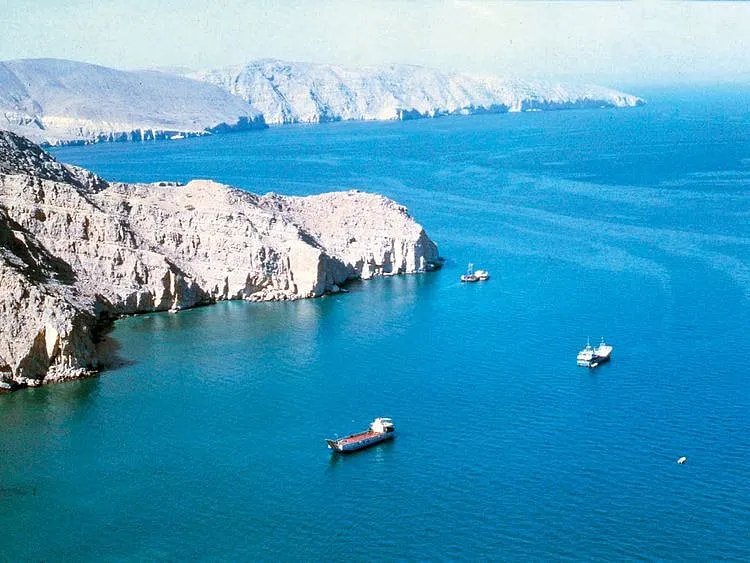
The Singapore-registered container ship GFS Pride caught fire and sank on Tuesday after being struck while transiting the Strait of Hormuz. All 21 crew members were rescued, according to the Maritime and Port Authority of Singapore. Iranian state media claimed the vessel hit a mine on an unauthorized route, though experts cited by CNN assess a drone attack as more likely.
A second vessel, the Antigua and Barbuda-flagged merchant ship Cape Dao, also sank on Wednesday. It had been drifting since an initial projectile strike on September 23. One Indian crew member was killed in that incident, according to International Maritime Organization data.
“Iran would not reopen the vital waterway until the US accepts Tehran's terms, including lifting sanctions and releasing frozen Iranian funds.”
These are only the second and third vessels to sink in the Middle East since the Iran war began in February, per IMO figures. Attacks have surged since late September, with UKMTO logging nine incidents since Monday alone, including a drone strike on a tanker.
Oil flows through the chokepoint have collapsed. Only 4.147 million barrels transited the strait on Monday, less than a quarter of pre-war volumes, according to tracker Kpler. The disruption is driving up global oil prices and U.S. gasoline costs ahead of the midterm elections.
Iran's top negotiator Mohammad Bagher Ghalibaf has said Tehran will not reopen the waterway — which normally handles a quarter of global seaborne oil and LNG trade — until the U.S. lifts sanctions and releases frozen Iranian funds.
2 more sources below
COMMENTS (0)
No comments yet. Be the first.
RELATED STORIES
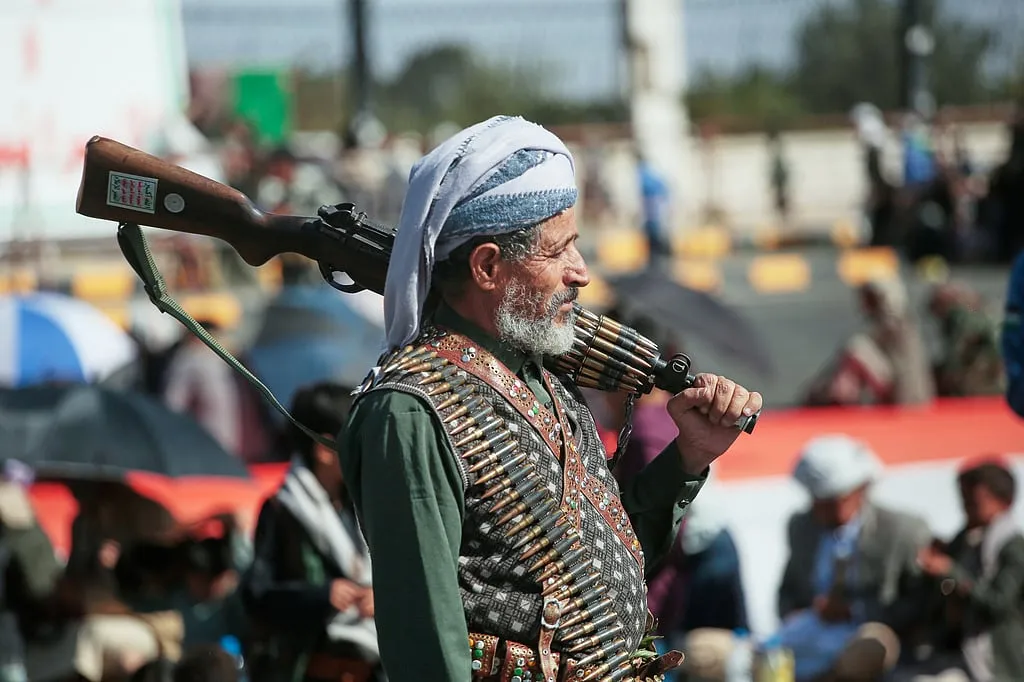
Houthis Seek Chinese Parts for New Ballistic Missile, Report Finds
Conflict Armament Research says Yemen's rebels are acquiring specialized components to build a version of Iran's Kheibar Shekan missile.
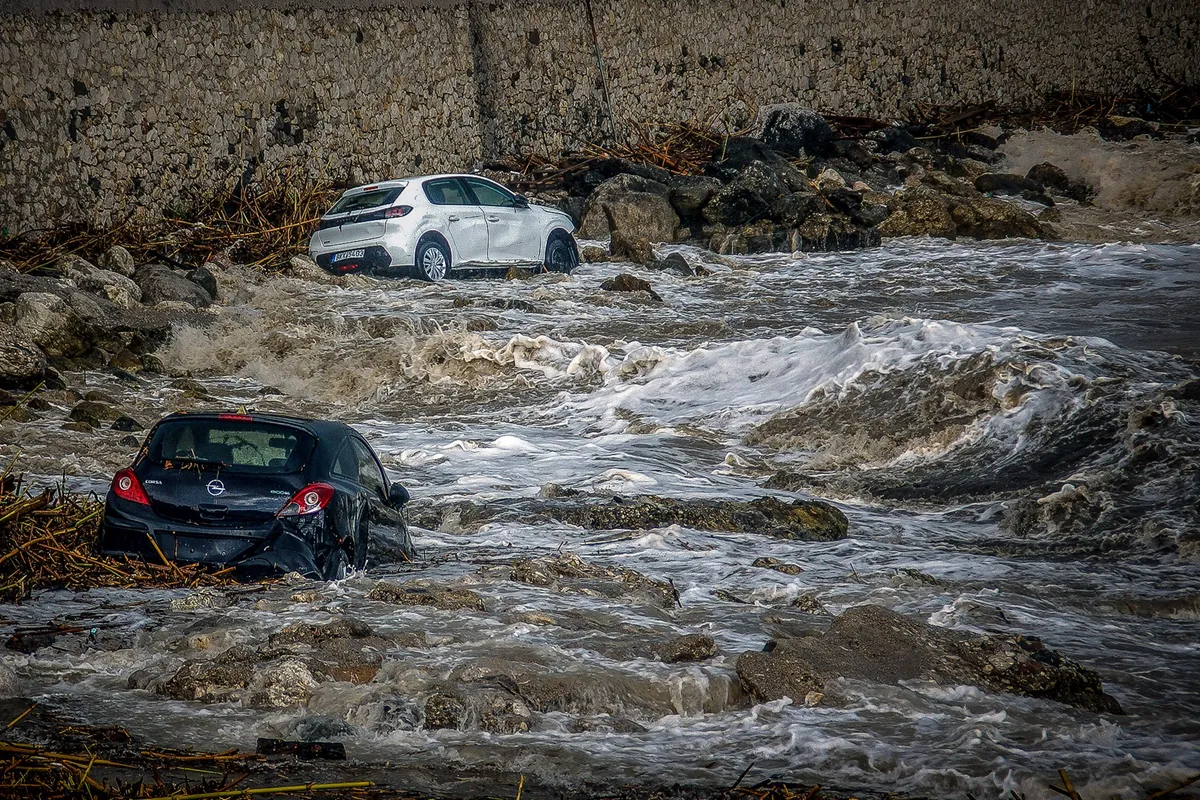
Deadly Storm Hits Rhodes, Evia, Sporades; One Killed
A 62-year-old hotel worker died after floodwaters swept his car into the sea on Rhodes, while heavy rain and gale-force winds caused widespread damage across central and eastern Greece.

B.C. leaders clash in sole televised election debate
Eby defends snap election call while Doerkson faces questions over campaign director's Islamophobic post.
- Turkey Urges Inclusion in EU Industrial Strategies at Trade Dialogue
- Severe storms flood Bolu, Sakarya; roads closed, homes damaged
- Ukrainian Drones Cripple Three Major Yandex Data Centers in Four Days
- B.C. Conservatives pledge bill to separate municipal, provincial elections
- B.C. Conservatives Lead NDP in Poll Before Oct. 24 Election
This page was compiled with AI assistance from the outlets named above and passed an automated language check before publication. Montegre has no reporters of its own; the byline names the outlets the story was compiled from. Method and editorial standards