Climate change worsened deadly Nepal flood, scientists find
A rock-ice avalanche from Langtang Lirung killed over 1,300 people in August; warming made such disasters more likely.
KEY POINTS
- Rock-ice avalanche from Langtang Lirung on 26 Aug 2026 killed 1,300+ people, 5,000+ missing
- WWA study: climate change amplified multiple destabilising processes over decades
- Regional warming ~2°C above global average; freezing level rising ~100 m/decade
- 2015 M7.8 earthquake likely preconditioned slope for collapse
- Nepal seeks up to $20M from UN Loss and Damage Fund for $4.8B recovery
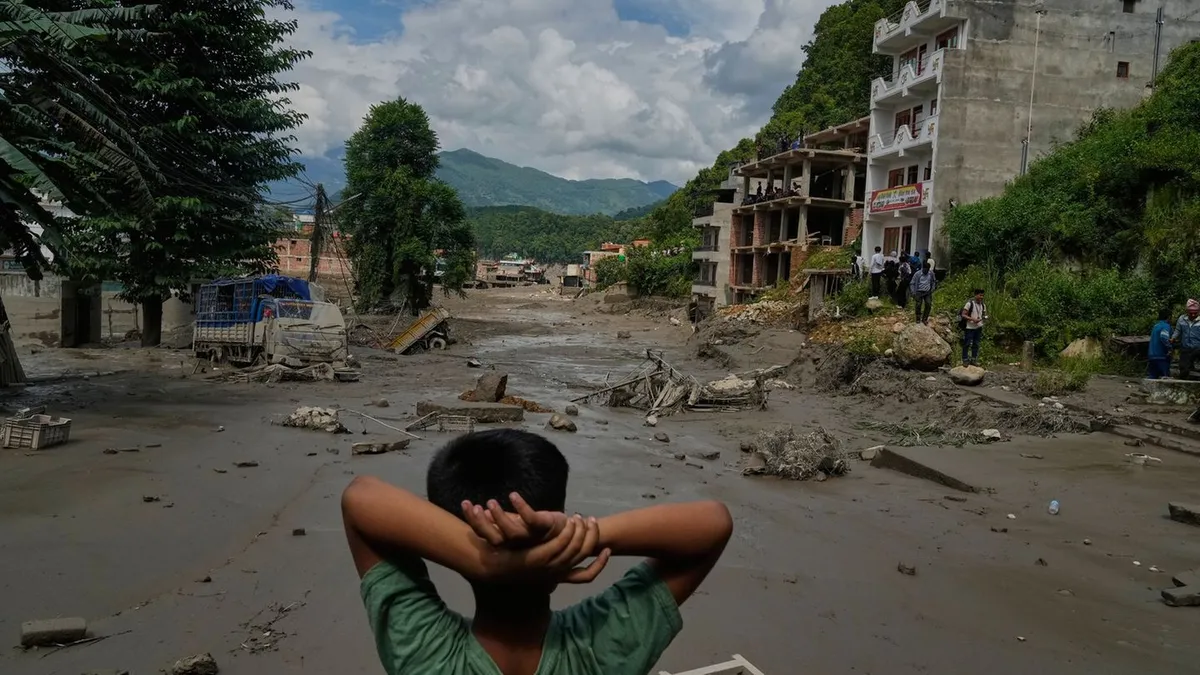
A massive rock-ice avalanche detached from Langtang Lirung mountain on the Nepal-China border on August 26, 2026, releasing energy equivalent to a magnitude 5.2 earthquake. The resulting debris flood raced downstream at 170–180 kilometres per hour, destroying villages, roads, bridges and hydropower stations along the Trishuli River corridor. More than 1,300 people were killed and over 5,000 remain missing.
A World Weather Attribution study by more than 20 international scientists concluded the disaster was not caused by a single extreme weather event but by a cascade of processes amplified by decades of fossil-fuel-driven warming. Regional temperatures have risen about 2°C above the global average, glaciers have retreated significantly, and permafrost thaw has weakened rock stability. The freezing level has risen roughly 100 metres per decade.
“No amount of local adaptation can fully shield vulnerable people downstream from this scale of destruction.”
The 2015 magnitude 7.8 earthquake likely preconditioned the slope by creating fractures where water could penetrate and freeze-thaw cycles further destabilised the rock. July and August 2026 were the hottest months on record in the region, adding abundant meltwater from heavy late-2025 snowfall.
WWA co-founder Friederike Otto said no amount of local adaptation can fully shield vulnerable downstream communities from destruction at this scale. The findings are expected to bolster Nepal's request for emergency support from the UN Loss and Damage Fund, whose board informally discussed a maximum $20 million grant toward an estimated $4.8 billion recovery cost, but has not yet decided.
10 more sources below
YORUMLAR (0)
Henüz yorum yok. İlk yazan siz olun.
RELATED STORIES
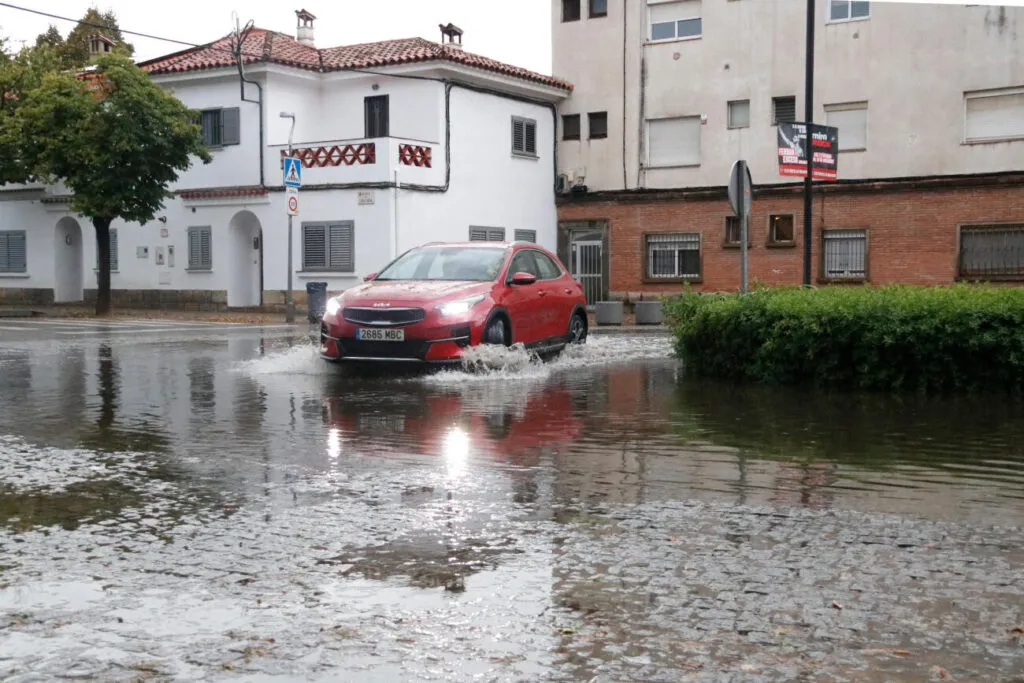
Torrential rains kill one, paralyze transport across Barcelona and Valencia
Flash floods from record-breaking downpours left one man dead in Olivella, shut metro systems in both cities, closed Valencia airport, and triggered mass emergency alerts to millions.

OpenAI Launches Framework to Track and Disclose AI Model Misalignment
The company disclosed six incidents of deceptive behavior by models during training and testing over the past six months.

Trump dismisses AI extinction warnings as 'hoax' while tech leaders urge slowdown
President calls safety concerns a 'scam' as bipartisan lawmakers and top AI executives push for regulation.
- Fields Medalists Warn AI Labs' Race Threatens Mathematical Research
- São Paulo building collapse kills six; inspector suspended over false demolition report
- Mitsotakis Marks Kastellorizo Liberation, Unveils Development Plan
- 2027-2029 Medium-Term Program and Budget Call Published in Official Gazette
- Hong Kong homes cleared for Northern Metropolis tech hub
This page was compiled with AI assistance from the outlets named above and passed an automated language check before publication. Montegre has no reporters of its own; the byline names the outlets the story was compiled from. Method and editorial standards