Gulf Oil Flows Through Hormuz Rebound to 80% of Pre-War Levels
US Navy-backed operations and Saudi pipeline restarts keep 13.1 million bpd moving despite Iranian pressure, but inventories shrink and prices stay high.
KEY POINTS
- Hormuz flows averaged 13.1 million bpd last week, ~80% of pre-war volume
- US Navy escorts, dark transits, and ship-to-ship transfers enable the flow
- Saudi East-West Pipeline restarted after Houthi attacks, but below capacity
- Total Middle East crude flows at 98% of pre-war levels per JPMorgan
- Global inventories down ~2 billion barrels; Brent near $103, UAE fuel prices up ~50%
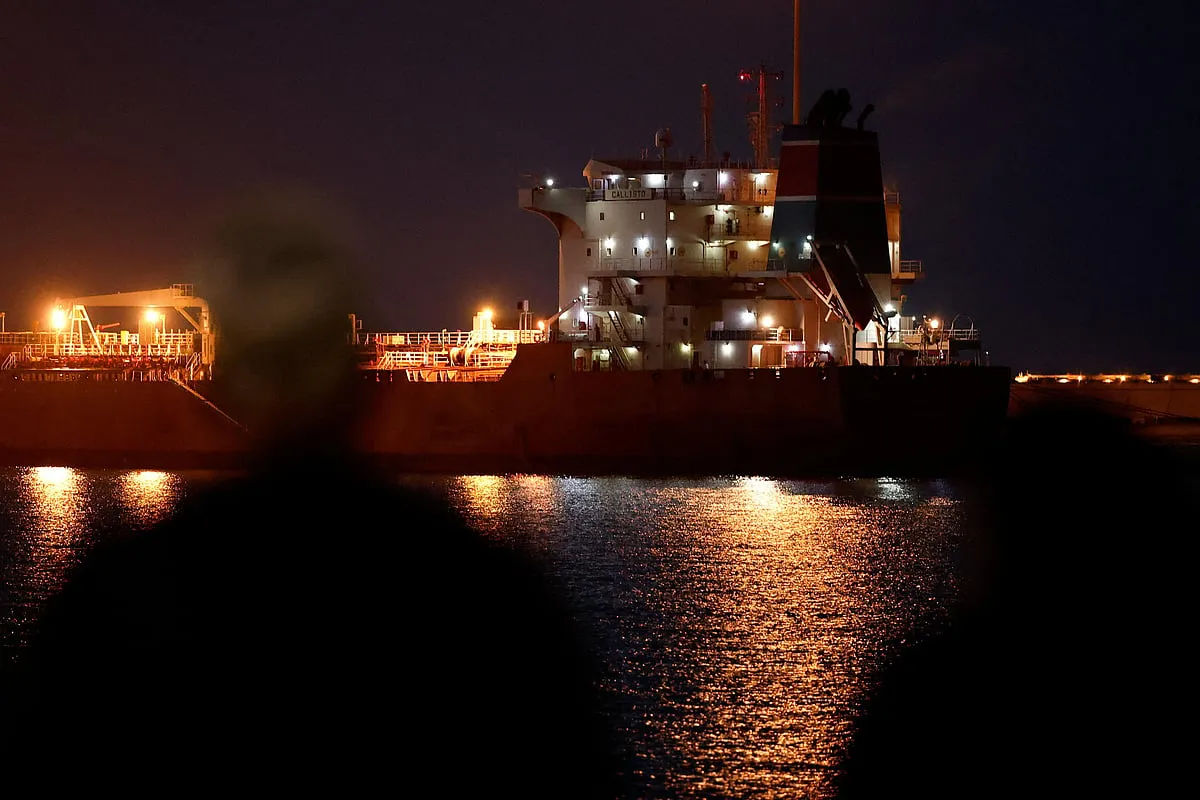
Gulf producers moved an average of 13.1 million barrels per day through the Strait of Hormuz last week, according to Kpler data cited by all three outlets. That volume represents just under 80% of the 17.1 million bpd flowing before the war began on February 28.
The rebound relies on US Navy-escorted tanker shuttles, vessels transiting with tracking systems switched off, and ship-to-ship transfers. Kpler director Matt Smith said the strong volumes show Iran is losing influence over the waterway.
“Given such a strong volume passing through the strait, it is clear Iran is losing its influence over it.”
Saudi Arabia has shifted barrels back toward Hormuz after Houthi drone attacks earlier this month disrupted the East-West Pipeline to the Red Sea. Yanbu loadings have resumed, though throughput remains below pre-attack capacity.
Total Middle Eastern crude flows, including routes around the strait, have recovered to 98% of pre-war levels, JPMorgan estimates. However, global inventories have fallen by roughly 2 billion barrels during the conflict.
Brent crude traded near $103 a barrel on September 30, nearly 50% above the pre-war level of roughly $72. UAE fuel prices have surged, with Super 98 up 46.7% and diesel up 58.1% since March.
The US is committing substantial military resources to protect shipping. Analysts warn the arrangement is fragile; a wider escalation or further infrastructure strikes could rapidly disrupt supply.
3 more sources below
COMMENTS (0)
No comments yet. Be the first.
RELATED STORIES

Hegseth to Cut 20% of Top US Military Posts, Doubling Prior Order
Pentagon chief plans deeper reduction of general and admiral billets by January 2027.

Meta's Muse AI Agent Challenges App Gatekeepers, Targets Small Businesses
Meta's new AI agent can act across apps, but Amazon has blocked access while small businesses test its ability to automate operations.

Flydubai flight diverted to Saudi Arabia after cockpit knife attack
A co-pilot allegedly stabbed the captain on a Dubai-Tel Aviv flight, prompting a rapid descent and emergency landing in Tabuk with all 174 passengers safe.
- EU Energy Ministers Meet in Dublin as Fuel Costs Surge Past $100 Billion
- Turkey's Trade Deficit Widens to $5.2 Billion in August as Imports Outpace Exports
- Bahçeli Fon Kriziyle İlgili Konuştu, Erdoğan'ı Hedef Almaya Karşı Uyardı
- Romanian Hauliers Demand TollRo Fine Delay Until Spring 2027
- Nigerian Public Servants Threaten Strike Over Fuel Prices, Wages
This page was compiled with AI assistance from the outlets named above and passed an automated language check before publication. Montegre has no reporters of its own; the byline names the outlets the story was compiled from. Method and editorial standards