Hong Kong Unveils First Five-Year Plan and Final Policy Address
Chief Executive John Lee presents a 2026-2030 blueprint with binding targets for housing, innovation, and carbon reduction alongside his administration's last annual address.
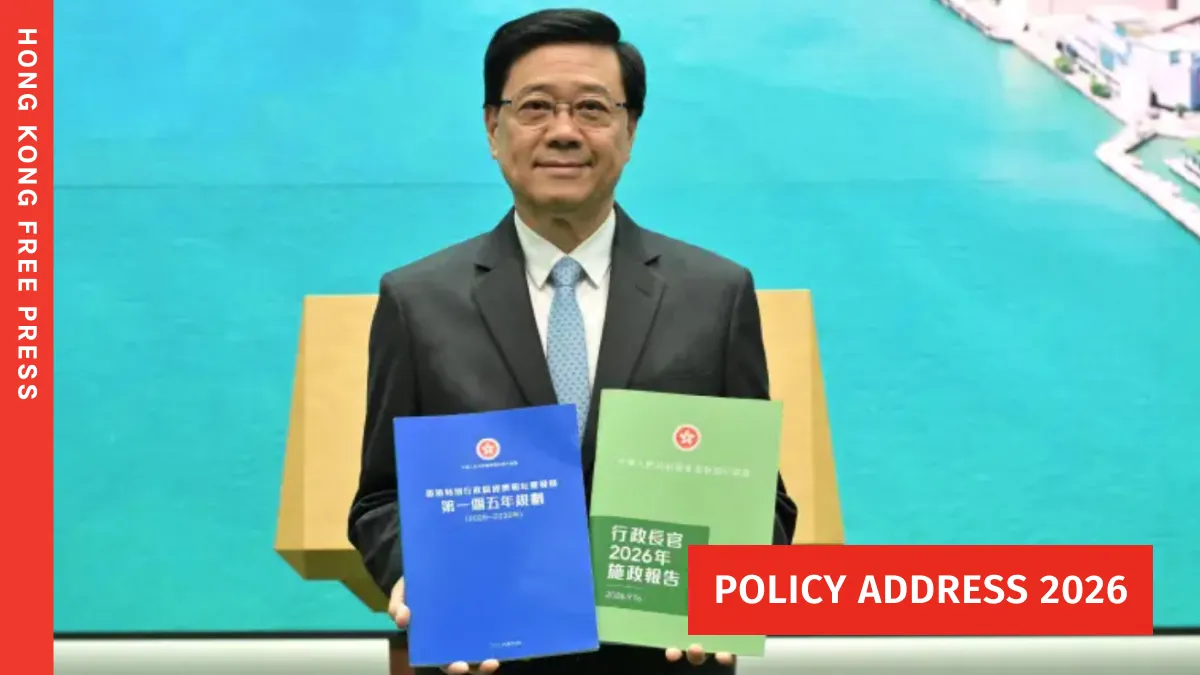
KEY POINTS
- First Five-Year Plan (2026-2030) unveiled alongside final Policy Address
- 105 indicators with 22 headline measures for economic and social development
- Northern Metropolis: 900 hectares spade-ready by 2030-31, ~70,000 homes targeted
- Innovation spending toward 3% of GDP; manufacturing value-added toward 5.5% of GDP
- Carbon intensity cut of 32.5% by 2030; gold clearing system launch Q1 2027
Hong Kong Chief Executive John Lee unveiled the city's first Five-Year Plan for Economic and Social Development (2026-2030) on September 16, pairing the medium-term blueprint with his fifth and final Policy Address. The plan contains over 100,000 words across both documents and establishes 105 indicators, including 22 headline measures, to guide development through 2030.
Lee emphasized the plan does not signal a shift toward a planned economy but rather sets strategic directions and priority areas for government-led coordination. The blueprint aligns with the national 15th Five-Year Plan and aims to consolidate Hong Kong's "four centres and one hub" status in finance, maritime, trade, aviation, and innovation.
“The Five-Year Plan is not a planned economy. It is a plan which tells us where the strategic directions are, where we are heading, and which are the priority areas.”
Key binding targets include preparing 900 hectares of Northern Metropolis land by 2030-31, up from 120 hectares previously, and completing approximately 70,000 domestic units in that period. Innovation spending is steered toward three percent of GDP after 2030, while manufacturing value-added targets 5.5 percent of GDP.
Environmental commitments include a 32.5 percent cut in carbon intensity against 2024 levels, a 30 percent zero-carbon electricity fuel mix, and PM2.5 levels below 14 micrograms per cubic metre. The plan also targets 100,000 non-local post-secondary students by 2029/30 and tourism value-added of HK$126 billion by 2030.
Financial initiatives include launching a central clearing and settlement system for gold in the first quarter of 2027, deepening offshore renminbi business, and expanding asset and wealth management. Secretary for Financial Services Christopher Hui described the plan as a mindset shift toward longer-term financial planning.
4 more sources below
YORUMLAR (0)
Henüz yorum yok. İlk yazan siz olun.
RELATED STORIES
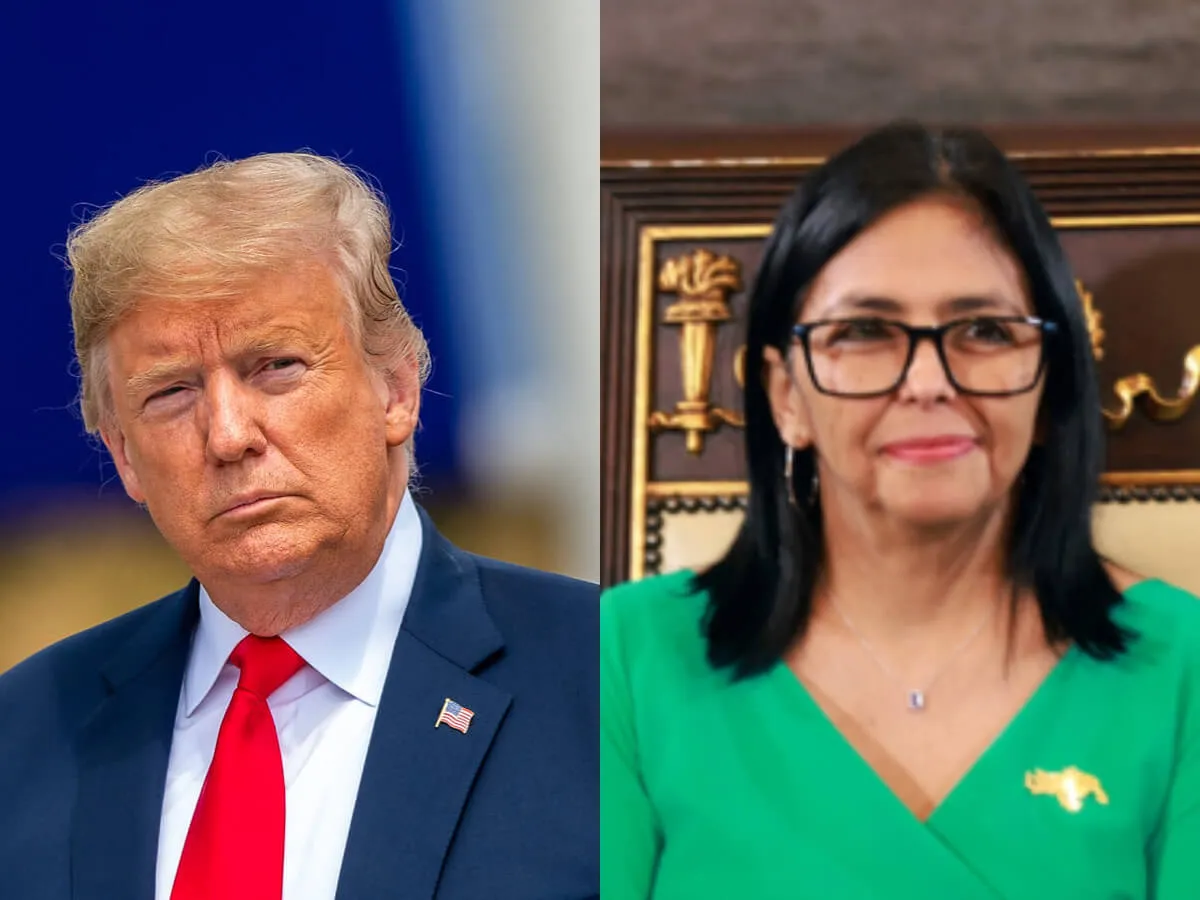
Trump to meet Venezuela's Delcy Rodriguez at UN General Assembly
U.S. President Donald Trump will hold an informal meeting with Venezuela's interim president Delcy Rodriguez on Tuesday in New York, marking the first direct contact between a U.S. president and a Venezuelan leader in over a decade.
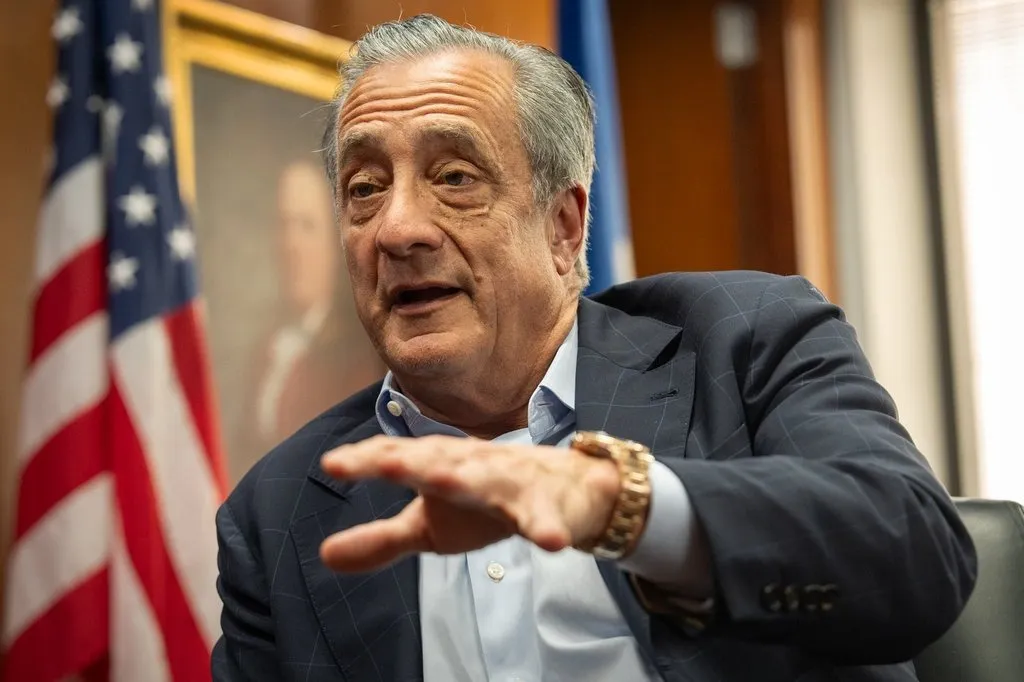
USPS Halts Trump-Backed Voting System After Court Ruling
Postmaster General David Steiner says an injunction forced the agency to stop work on a citizenship verification portal central to Trump's executive order.
Former Sao Paulo Council President Arrested in PCC Bus Probe
Milton Leite surrendered after 24 hours as a fugitive; investigation alleges crime faction controls 12 of 22 bus operators.
- Trabzonspor signs Thomas Reis on two-year deal
- Romanian prosecutors detain Georgescu in fraud probe
- Lula and Flavio Bolsonaro Tied in Polls Two Weeks Before Brazil Election
- Trump pushes $5,000 voter pledge as GOP candidates ignore midterm advice
- Wildfire Rages Near Villa de Leyva; Hotel Arcoíris Damaged, 2,000 Evacuated
This page was compiled with AI assistance from the outlets named above and passed an automated language check before publication. Montegre has no reporters of its own; the byline names the outlets the story was compiled from. Method and editorial standards