NASA Finds Largest Recent Moon Crater, Formed in 2024
A 222-meter crater from a spring 2024 impact went undetected until researchers spotted it in orbiter data months later.
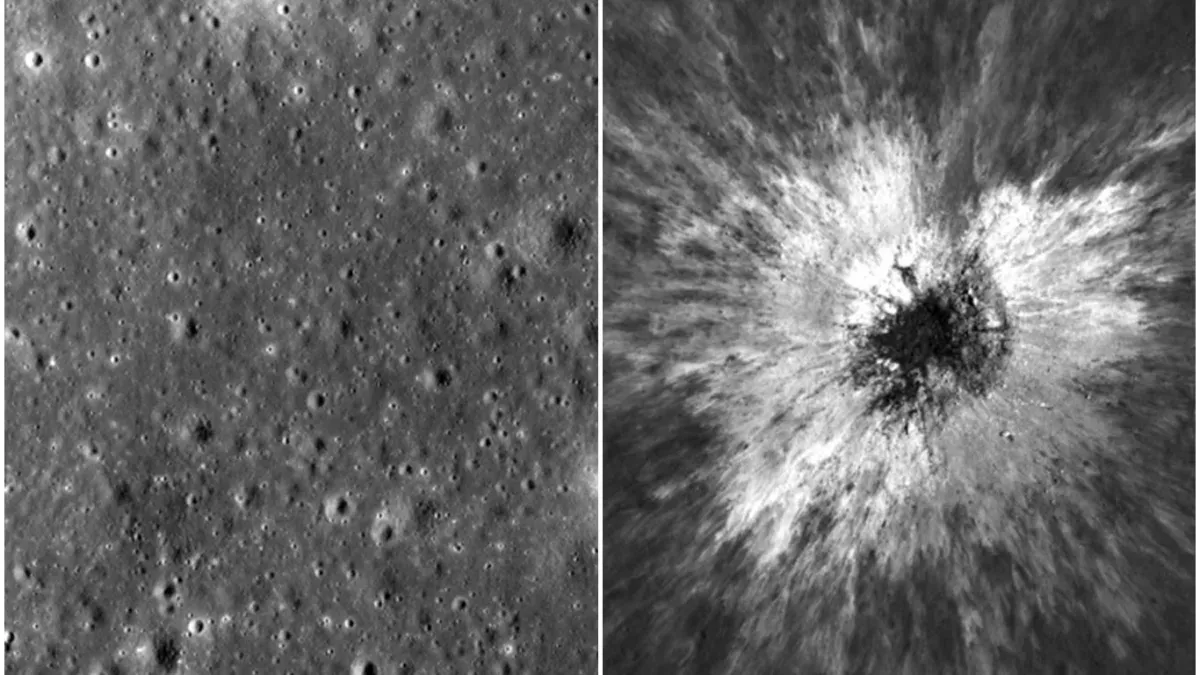
KEY POINTS
- Crater spans 222 meters wide and 43 meters deep on Moon's near side
- Impact occurred April–May 2024 from asteroid or comet fragment
- Largest fresh impact crater documented in solar system
- Discovered in October 2025 data, confirmed early 2026
- Event estimated to occur once every 100–132 years
NASA's Lunar Reconnaissance Orbiter has identified a massive new crater on the Moon's near side, formed by an asteroid or comet strike between April and May 2024. The impact created a steep-sided hole 222 meters wide and up to 43 meters deep, making it the largest fresh impact crater documented in the solar system.
The collision escaped real-time detection by telescopes on Earth and in space. Researcher Robert Wagner discovered the feature in October 2025 while processing wide-angle camera data, noticing a bright patch with a dark halo. High-resolution imaging confirmed the crater early this year.
“This event constitutes a statistically rare, effectively once-in-a-lifetime observation.”
Scientists estimate impacts of this magnitude occur only once every 100 to 132 years. The event churned lunar surface material across more than 100 kilometers, ejecting dust and rock at higher angles than expected. A separate study identified a 7-kilometer-wide cold spot around the crater, suggesting the impact loosened the topsoil.
Named for late lunar scientist Thomas McGetchin, the crater is three times larger than the previous LRO record-holder from a decade ago. Researchers say studying its formation in real time offers a rare window into lunar geology and will help prepare for crewed Artemis missions and planned bases by the U.S. and China.
5 more sources below
COMMENTS (0)
No comments yet. Be the first.
RELATED STORIES
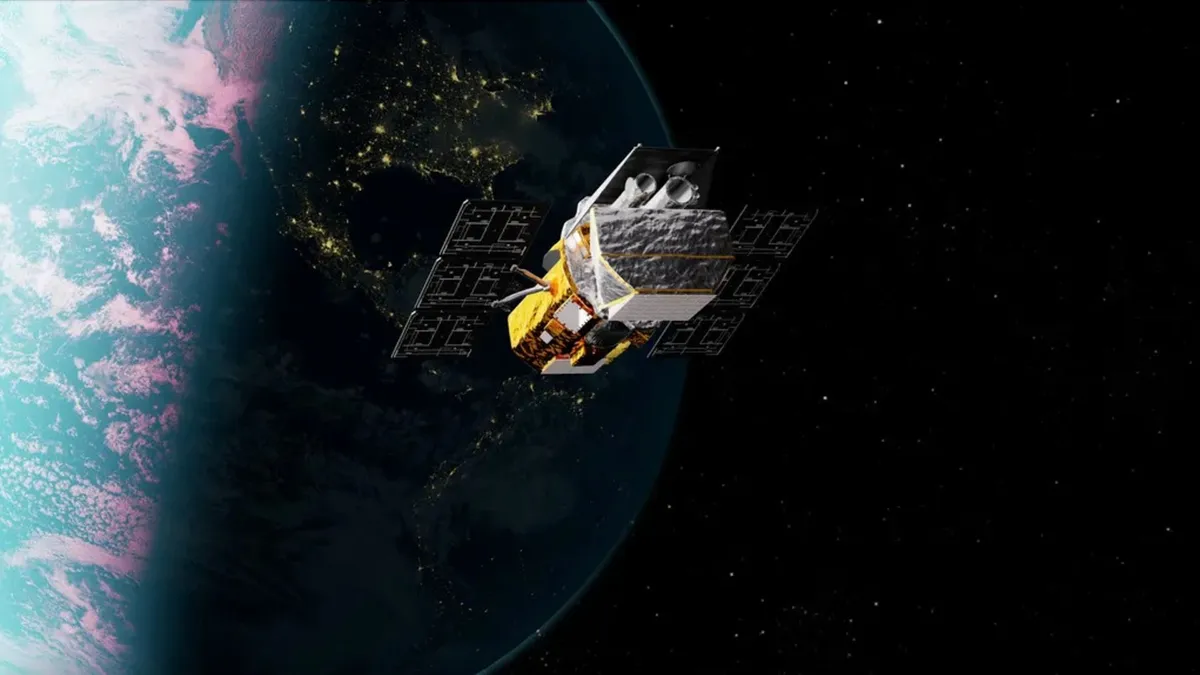
NASA's Swift Observatory to Reenter Earth's Atmosphere This Week
The 1,500-kilogram space telescope, launched in 2004, will make an uncontrolled reentry after a robotic rescue mission failed.
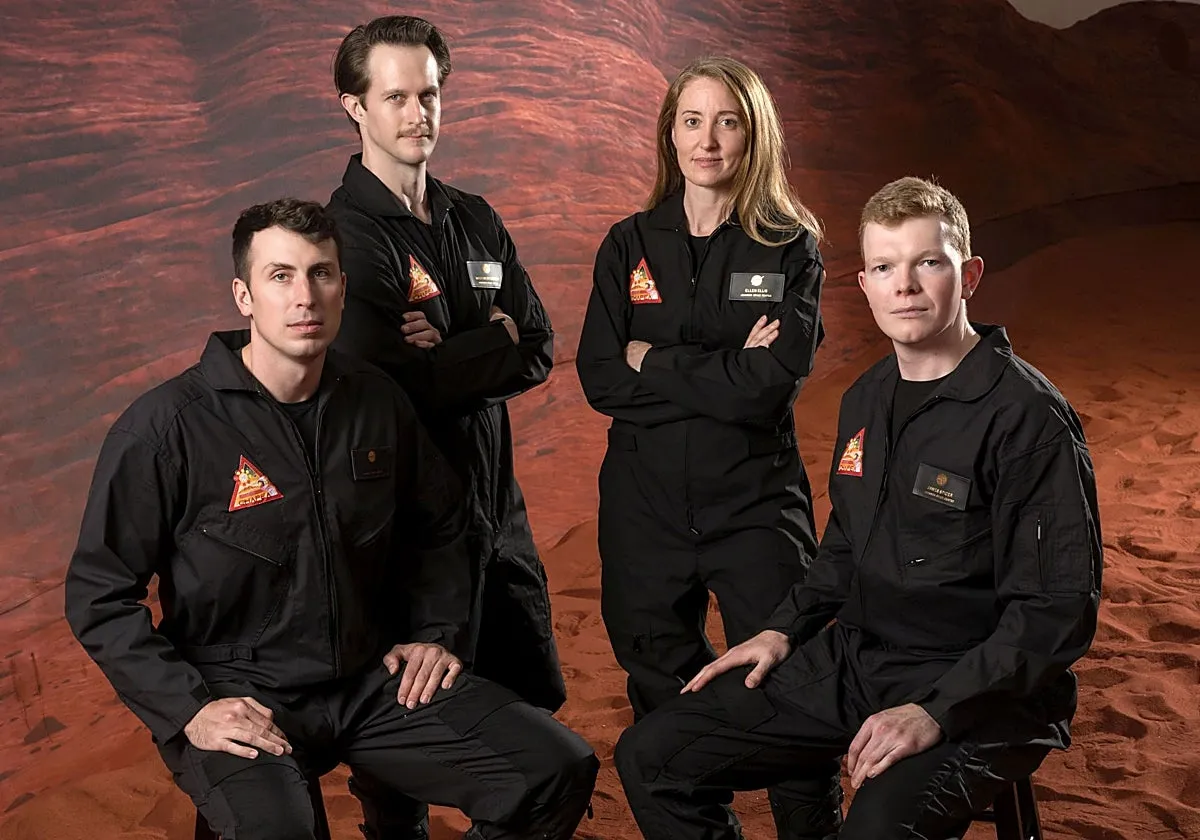
NASA CHAPEA crew exits Mars habitat after 378 days in Houston
Four volunteers complete a year-long Mars simulation at Johnson Space Center and step outside for the first time.

Elazığ students develop breath-analysis device for early cancer screening
Three Fırat University students created a portable biosensor to detect cancer markers in breath, supported by TÜBİTAK funding.
- Record High Tides Flood California Coast as El Niño Threatens Winter
- ISRO to launch NVS-03 navigation satellite on GSLV-F18 tonight
- COP17 nature talks in Yerevan end first week amid finance deadlock
- Turkey raises livestock support to 38.5 billion lira, plans 54.5 billion for 2027
- Moderna-Merck melanoma vaccine cuts recurrence risk by 42 percent in phase 3 trial
This page was compiled with AI assistance from the outlets named above and passed an automated language check before publication. Montegre has no reporters of its own; the byline names the outlets the story was compiled from. Method and editorial standards