New Wild Cat Species Identified in Bolivia After Century-Long Gap
Genetic analysis confirms Leopardus tilcayo as the first new living cat species described since 1923, discovered in the Yungas cloud forest.
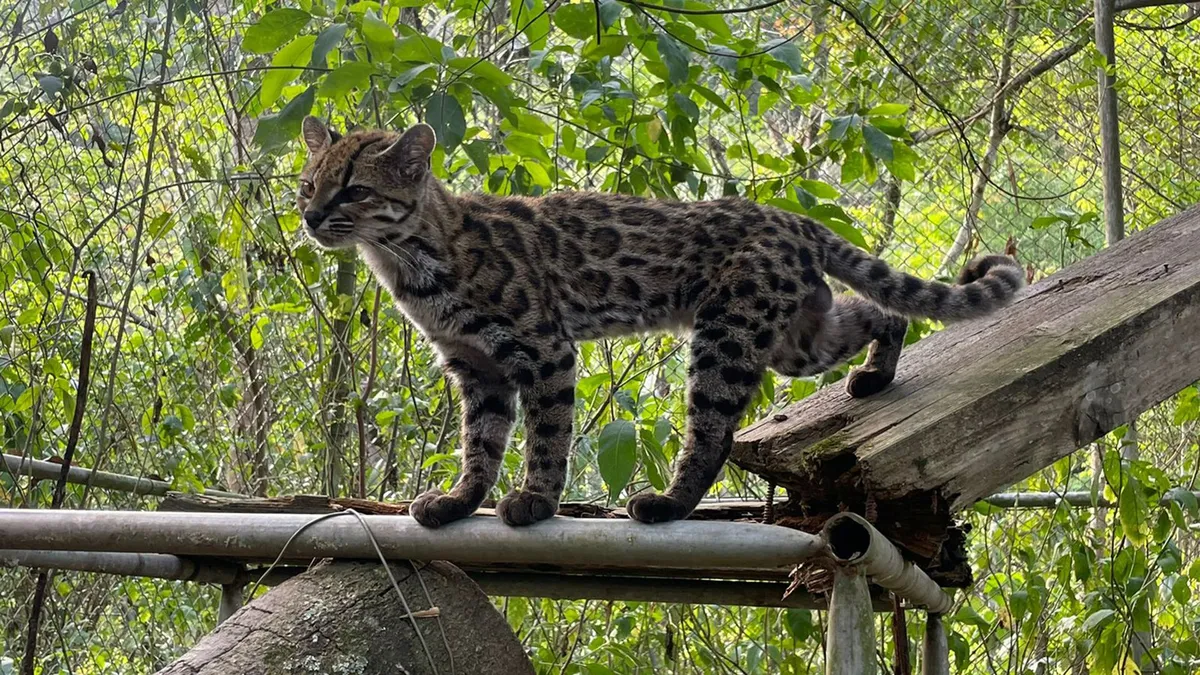
KEY POINTS
- Leopardus tilcayo confirmed as first new living cat species since 1923
- Species identified in Bolivia's Yungas cloud forest via genetic analysis
- Only two live specimens known: one wild, one captive (Tigrino, age 10)
- New subspecies Leopardus tigrinus antisuyo also identified in Peru
- Discovery resolves century-old taxonomic debate over tiger cat complex
Scientists have identified a new wild cat species, Leopardus tilcayo, in Bolivia's Yungas cloud forest, marking the first new living cat species described in over a century. Previously classified as a northern tiger cat, genetic analysis shows it diverged from other Leopardus species 1.4 million years ago. The discovery also revealed a new subspecies, Leopardus tigrinus antisuyo, in Peru.
The identification relied on just two live specimens in Bolivia: a wild-caught individual and a 10-year-old male named Tigrino living at the Senda Verde wildlife refuge. Tigrino was originally found by a local resident who mistook the kitten for a domestic cat and raised it for over a year before surrendering it to the sanctuary in 2017.
“It's incredible that there are still new species waiting to be discovered; you don't have to go to a volcano, an island, or the depths of the ocean to find them.”
Weighing only 1.4 to 2 kilograms and measuring up to 50 centimeters in body length, the Tilcayo is smaller than a typical house cat. Researchers note its distinct vocalizations and predatory behavior, such as stalking chickens, which differentiated it from domestic felines. Fecal samples suggest a diet of small rodents, and camera traps indicate nocturnal activity.
The study, led by Eduardo Eizirik, Jonas Lescroart, and National Geographic Explorer Paola Nogales-Ascarrunz, resolves a long-standing taxonomic debate over the tiger cat complex. Tiger cats are considered cryptic species, nearly indistinguishable by appearance alone, and have received far less conservation attention than large felines.
Scientists hope the discovery will spur conservation efforts for tiger cats across Central and South America. Current knowledge remains limited to the two examined individuals and a small number of camera trap records, highlighting how much remains unknown about South American mammals.
3 more sources below
YORUMLAR (0)
Henüz yorum yok. İlk yazan siz olun.
RELATED STORIES

NASA Finds Largest Recent Moon Crater, Formed in 2024
A 222-meter crater from a spring 2024 impact went undetected until researchers spotted it in orbiter data months later.

Turkey Launches 2030 National Smart Cities Strategy with AI Focus
Presidential decree published in the Official Gazette replaces the 2020-2023 plan and prioritizes AI-driven decision-making, data governance, and digital security across urban and rural areas.

Lula Signs Critical Minerals Law, Creates Council to Vet Strategic Deals
Brazil's new policy offers tax credits and a guarantee fund to boost domestic processing while giving the presidency power to block foreign acquisitions of sensitive mineral assets.
- Turkey's Minister Kurum Warns of Climate Crisis at WMO, Cites Nepal Disaster
- OpenAI Launches Framework to Track and Disclose AI Model Misalignment
- Climate change worsened deadly Nepal flood, scientists find
- Trump dismisses AI extinction warnings as 'hoax' while tech leaders urge slowdown
- Fields Medalists Warn AI Labs' Race Threatens Mathematical Research
This page was compiled with AI assistance from the outlets named above and passed an automated language check before publication. Montegre has no reporters of its own; the byline names the outlets the story was compiled from. Method and editorial standards