Spain's Supreme Court Bars 163,355 Grandchildren Law Voters from 29N Election
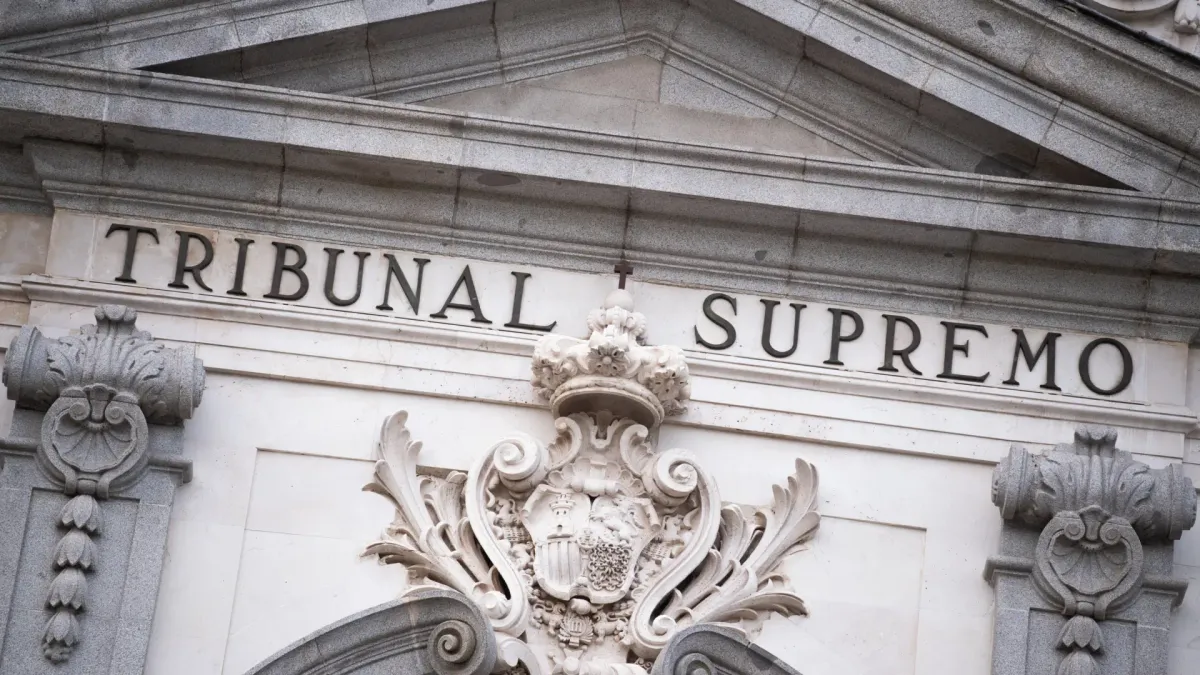
The Supreme Court has ordered election authorities to exclude 163,355 people affected by precautionary measures from the electoral roll for the November 29 vote.
KEY POINTS
- 163,355 people affected by precautionary measures are barred from voting
- 901 Franco-era exiles with consular certification may vote if they submit documents before election day
- The ruling covers both the foreign resident census and the Spain resident census
- Parties have until Monday to argue over MiDNI system security certificates
- The court cited earlier orders from September 10 and October 12 and 23
Spain's Supreme Court has ordered the Central Electoral Board and the Electoral Census Office to ensure that none of the 163,355 people affected by precautionary measures appear as voters in the November 29 election. The ruling applies to both residents abroad and residents in Spain who were naturalized under the grandchildren law. The decision comes from the Fourth Section of the Contentious-Administrative Chamber and was made public on Friday.
The court also decided that 901 people who presented consular certification proving their status as Franco-era exiles will be allowed to vote, provided they submit the documents before election day. This exception was included in the first of two rulings issued by the chamber.
“The court described compliance reports as difficult to understand.”
A second ruling addresses precautionary measures requested by Iustitia Europa concerning the Central Electoral Board's agreement on voter identification using the MiDNI application. The parties have been given until Monday to submit arguments on whether certificates from the director general of Interior Policy regarding the system's security are sufficient.
Magistrates reached their decision after reviewing arguments from the parties concerning a report by the National Statistics Institute. They require the electoral authorities to comply "in their own terms" with earlier orders from September 10 and October 12 and 23, guaranteeing that none of the 163,355 affected individuals can appear on the electoral roll.
The court described compliance reports sent by the State Attorney's Office on November 13 and by the Electoral Census Office on October 28 and November 5 and 11 as "difficult to understand," echoing the Public Prosecutor's Office. The prosecution had previously considered the situation consistent with the chamber's agreements, though with reservations.
Vox had requested that affected individuals be excluded from voter lists at consulates and barred from in-person voting at ballot boxes or scrutiny. The source text ends before stating the court's response to this specific request.
2 more sources below
COMMENTS (0)
No comments yet. Be the first.
RELATED STORIES

Texas execution lasted over an hour amid vein difficulties
Reinaldo Dennes was executed in Huntsville after staff struggled to insert intravenous needles for more than an hour.

UK and EU reach deal on youth mobility ahead of Brussels summit
Britain and the EU provisionally agreed to allow up to 100,000 young Europeans to move to Britain each year under a new mobility programme.
Abuja Court Rejects Atiku's Fresh Evidence in Tinubu Suit
Justice Inyang Ekwo refused new exhibits in the pre-election case challenging President Bola Tinubu's NYSC certificate, setting the main hearing for December 2.
- BDDK Sets Three-Tier Minimum Credit Card Payment Rates by Limit
- Democrats Warn Trump Administration Over Disappearing Records Before Congress Takes Control
- Estonia to close Russia border crossings from December 1 over sabotage
- UK tribunal orders disclosure of secret Apple data access demand
- Romania offers tax cuts and funds for voluntary municipal mergers
This page was compiled with AI assistance from the outlets named above and passed an automated language check before publication. Montegre has no reporters of its own; the byline names the outlets the story was compiled from. Method and editorial standards