UK and EU reach deal on youth mobility ahead of Brussels summit
Britain and the EU provisionally agreed to allow up to 100,000 young Europeans to move to Britain each year under a new mobility programme.
KEY POINTS
- UK and EU provisionally agreed on up to 100,000 young Europeans moving to Britain annually under a new mobility programme
- Maximum eligible age raised from 30 to 31; young Britons can also move to EU countries under the same scheme
- Exact participation conditions, duration of stay, and participant rights are not yet finalised
- UK government estimates the agreements will bring 8.9 billion pounds annually to the British economy
- Summit in Brussels on 20 November will feature talks between Keir Starmer, Antonio Costa, and Ursula von der Leyen
British and EU negotiators have provisionally agreed to allow up to 100,000 young European citizens to move to Britain each year under a new youth mobility programme, according to reporting by the Guardian cited by Enikos. The deal marks a significant development in London-Brussels relations after Brexit, though talks on the wider package of agreements remain difficult.
The provisional agreement raises the proposed annual number of participants from an earlier range of 50,000 to 80,000 up to 100,000. The maximum eligible age has also been increased from 30 to 31, broadening the pool of young Europeans who can benefit.
“The British government estimates the agreements being promoted will bring 8.9 billion pounds annually to the British economy.”
Young Britons will likewise be able to move to EU countries under the same programme. According to the Guardian, the number of British participants is expected to be comparable to the number of Europeans moving to Britain, though it could be higher. Some countries, including Germany, appear willing to accept an unlimited number of young Britons each year.
Exact participation conditions, length of stay, and specific rights for participants have not yet been finalised. Negotiations continue over European rules on food and agriculture and over tuition fees for European students at British universities.
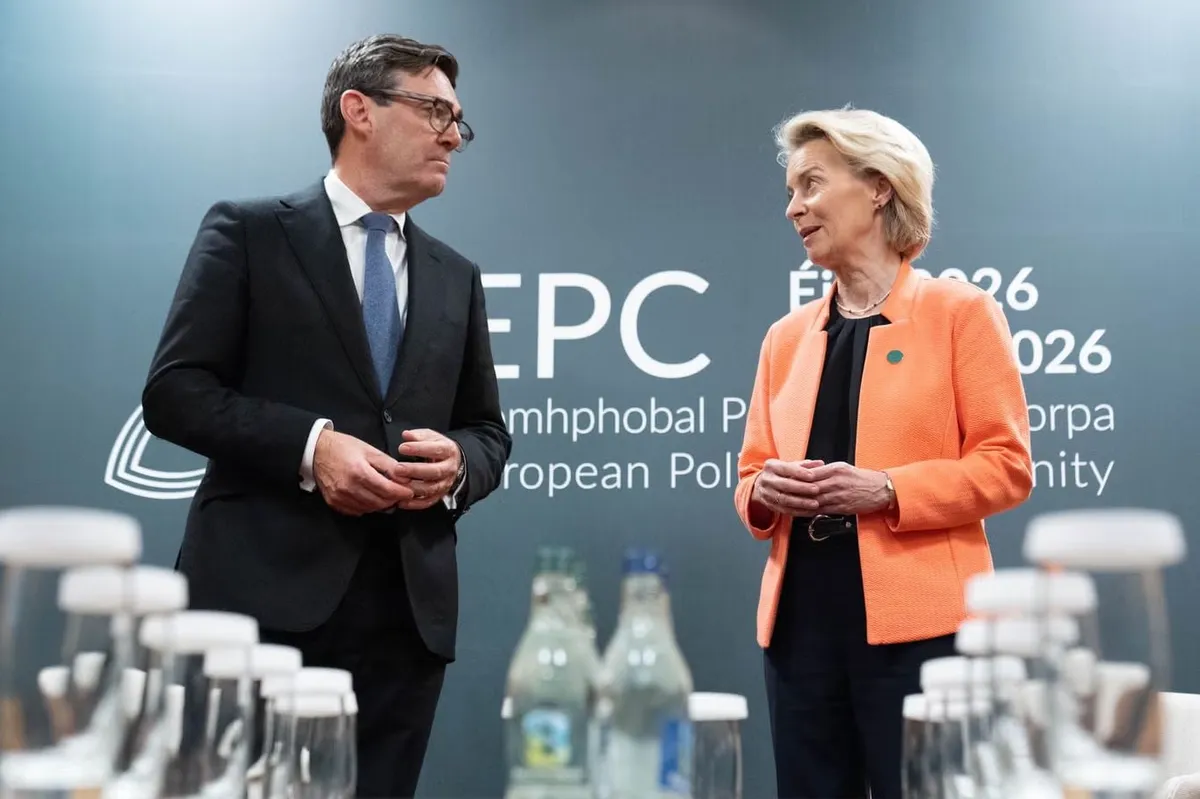
The developments came less than 24 hours before the scheduled summit in Brussels on Friday, 20 November, where British Prime Minister Keir Starmer will meet European Council President Antonio Costa and European Commission President Ursula von der Leyen. A joint press conference is expected around 13:25 Brussels time.
The British government estimates the agreements being promoted will bring 8.9 billion pounds annually to the British economy. One expected deal concerns reducing health checks on trade in food, drink, plant and animal products, aiming to cut post-Brexit bureaucracy that costs the British economy about 5.1 billion pounds a year. A second agreement concerns carbon emission costs, with EU environmental tariffs under the Carbon Border Adjustment Mechanism costing the British economy up to 3.8 billion pounds annually, mainly affecting steel and aluminium industries.
4 more sources below
COMMENTS (0)
No comments yet. Be the first.
RELATED STORIES
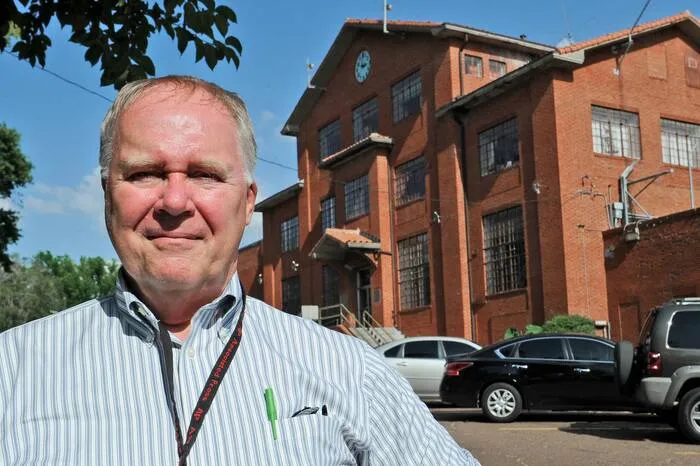
Texas execution lasted over an hour amid vein difficulties
Reinaldo Dennes was executed in Huntsville after staff struggled to insert intravenous needles for more than an hour.
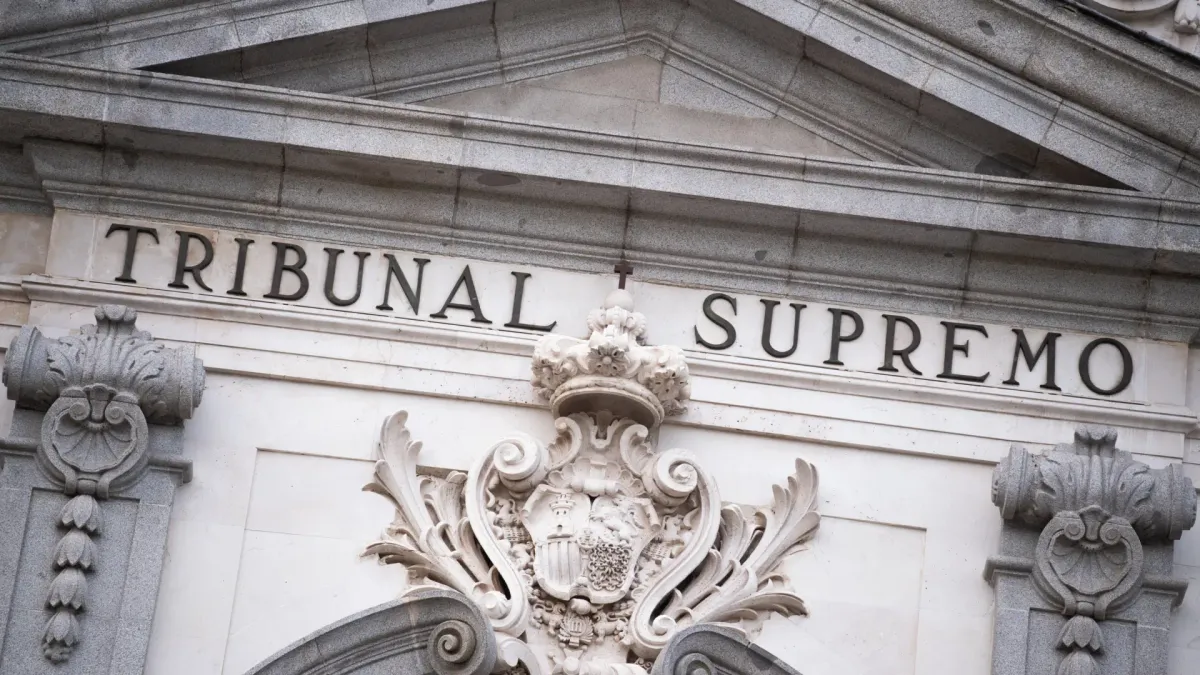
Spain's Supreme Court Bars 163,355 Grandchildren Law Voters from 29N Election
The Supreme Court has ordered election authorities to exclude 163,355 people affected by precautionary measures from the electoral roll for the November 29 vote.
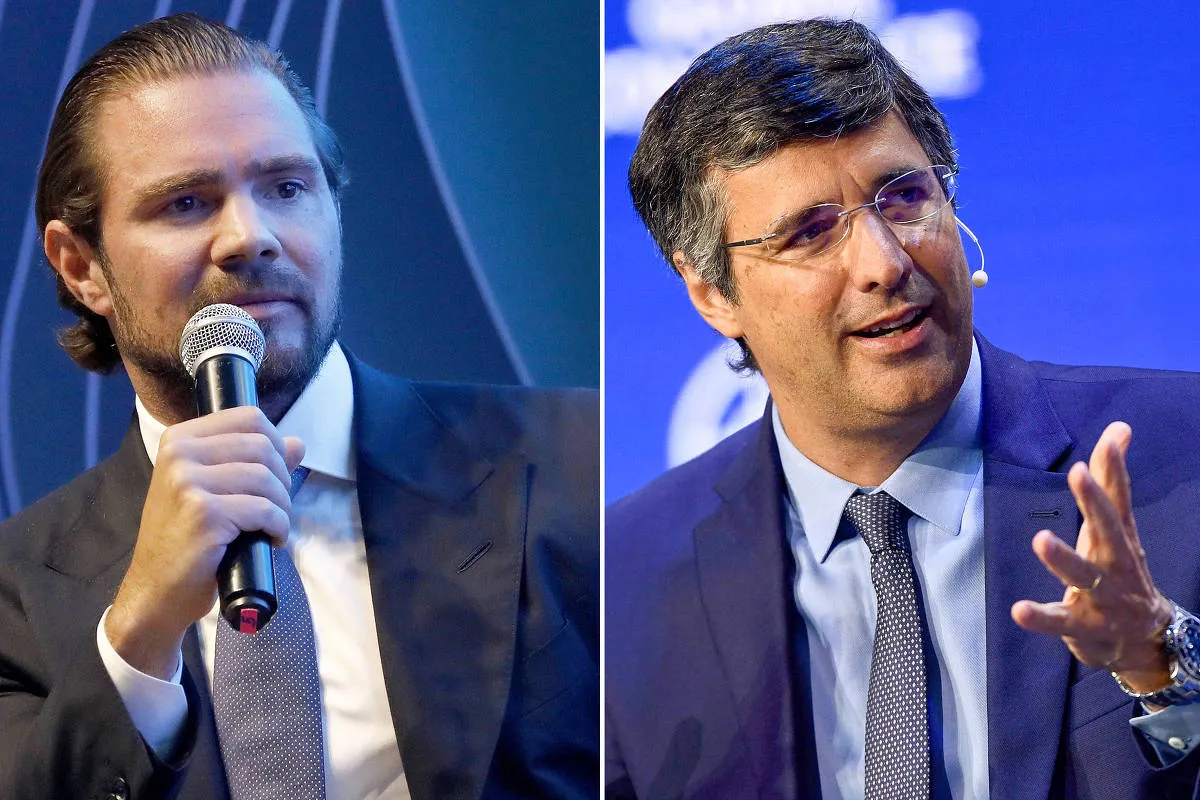
Central Bank Chief Denies Backing BRB Master Purchase, Cites Vorcaro Flight Risk
Gabriel Galípolo told federal police he never requested a confidence vote for BRB’s acquisition of Banco Master and warned that Daniel Vorcaro might try to flee Brazil.
- BDDK Sets Three-Tier Minimum Credit Card Payment Rates by Limit
- Democrats Warn Trump Administration Over Disappearing Records Before Congress Takes Control
- Estonia to close Russia border crossings from December 1 over sabotage
- UK tribunal orders disclosure of secret Apple data access demand
- Romania offers tax cuts and funds for voluntary municipal mergers
This page was compiled with AI assistance from the outlets named above and passed an automated language check before publication. Montegre has no reporters of its own; the byline names the outlets the story was compiled from. Method and editorial standards