Swiss Voters to Decide on Stricter Neutrality Rules
A referendum on Sunday could bar Switzerland from imposing non-UN sanctions, affecting its alignment with EU measures against Russia.
KEY POINTS
- Referendum on Sunday, September 27, proposes stricter constitutional neutrality rules.
- A 'yes' vote would block non-UN sanctions and limit NATO cooperation to self-defense scenarios.
- Government and parliament urge rejection to retain policy flexibility.
- Switzerland has mirrored EU sanctions on Russia since 2022, freezing over 15 billion francs in assets.
- Russia supports the initiative; other neutral nations are increasing defense ties with NATO.
Swiss voters head to the polls on Sunday, September 27, for a referendum on enshrining a stricter definition of neutrality into the constitution. The proposal, launched by the Pro Schweiz group, would prevent the government from imposing sanctions unless authorized by the UN Security Council, where Russia holds a veto. It would also restrict military cooperation with alliances like NATO unless Switzerland faces a direct threat.
The government and parliament oppose the measure, arguing it would remove necessary flexibility in security policy. Since 2022, Bern has largely mirrored EU sanctions against Moscow, freezing billions in Russian assets. Proponents of the initiative say this alignment abandoned traditional neutrality.
“Currently, the government has a bit of room to maneuver and uses it. The question of that referendum is whether people think that's good or whether there should be stricter boundaries toward neutrality.”
Russia has openly backed the initiative. Foreign Minister Sergey Lavrov previously told Swiss Councillor Ignazio Cassis that Moscow views non-UN sanctions as illegal economic warfare. The vote tests how neutral a country can remain amid the war in Ukraine and shifting European security dynamics.
Other neutral states like Austria and Ireland are moving toward closer NATO ties and higher defense spending. Under current law, Switzerland's permanent neutrality is recognized internationally, but the government retains discretion over sanctions and military cooperation. The referendum asks whether that discretion should be constitutionally limited.
2 more sources below
COMMENTS (0)
No comments yet. Be the first.
RELATED STORIES
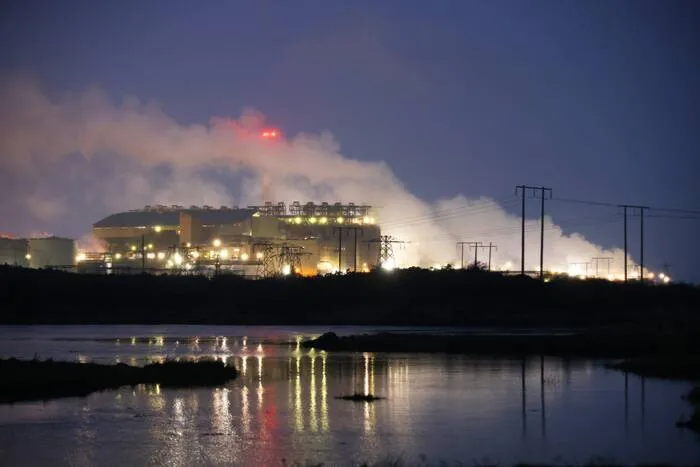
Ireland faces pressure over alumina shipments to Russia amid Ukraine war
European leaders meeting in Dublin urge Ireland to halt alumina exports that may support Russia's military production.
US Controlled Over $12 Billion of Venezuelan Revenue in Nine Months, Report Says
A secret KPMG report details how Washington managed Venezuelan oil and resource revenues between January and September 2026.
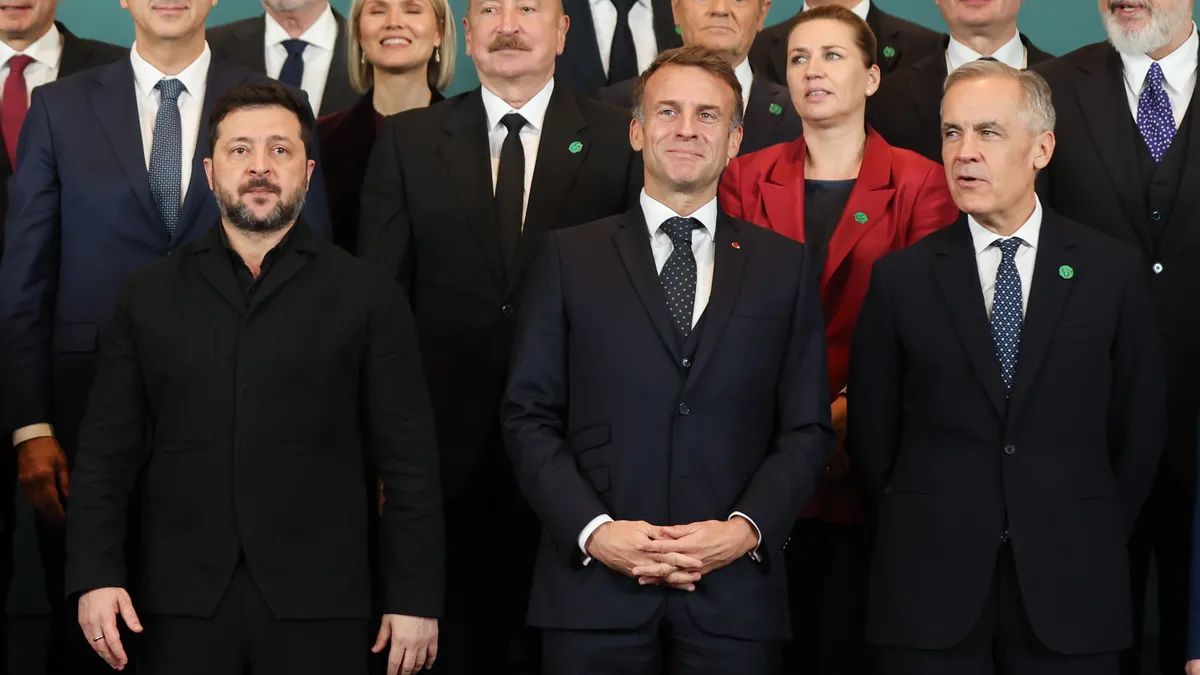
European leaders meet in Dublin to discuss Ukraine and continental security
More than 50 leaders gather for the European Political Community summit as peace negotiations and EU unity take centre stage.
- Romania Offers to Pay for US Troops Amid Black Sea Security Concerns
- Four soldiers killed in S-70 helicopter crash in Malatya
- US envoys arrive in Moscow for Putin talks on Ukraine war
- Turkey denies report of sending 15,000 troops to Somalia
- Colombia's 2016 Peace Deal Faces Implementation Delays Ten Years On
This page was compiled with AI assistance from the outlets named above and passed an automated language check before publication. Montegre has no reporters of its own; the byline names the outlets the story was compiled from. Method and editorial standards