U.S. Adds Torture Charges Against Maduro and Flores in Expanded Indictment
Federal prosecutors in New York allege the former Venezuelan president and his wife oversaw a repression system using electric shocks, asphyxiation, and threats against detainees' families.
KEY POINTS
- Superseding indictment adds conspiracy to commit torture to existing narcoterrorism and drug charges against Maduro and Flores.
- Prosecutors allege direct personal involvement by Maduro in authorizing and monitoring torture of detainees, including U.S. citizens.
- Indictment details methods: electric shocks, asphyxiation, beatings, sleep deprivation, sexual violence, and threats against family members.
- Three unnamed senior Venezuelan officials (CC-1, CC-2, CC-3) identified as co-conspirators; identities remain sealed.
- U.S. Attorney cites "generational harm"; judge denies Flores house arrest; both remain detained in New York.
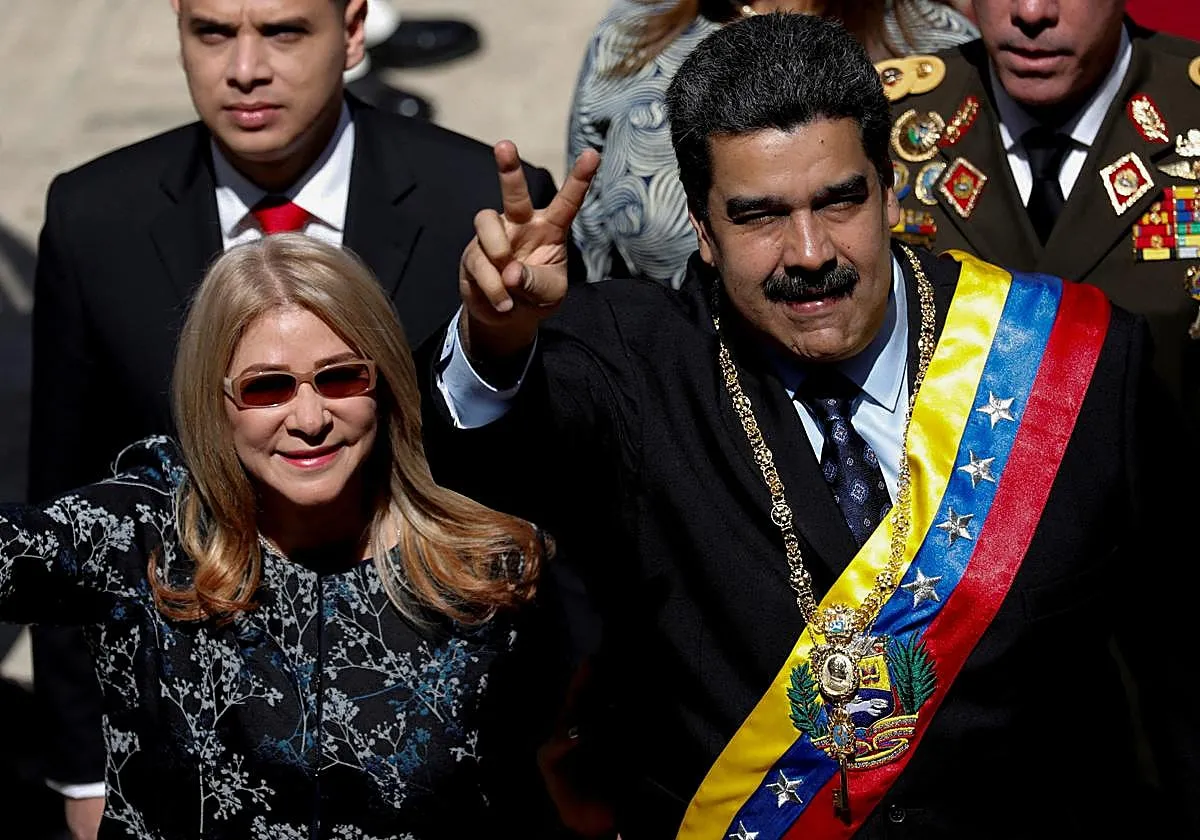
A federal grand jury in the Southern District of New York returned a superseding indictment on Thursday charging former Venezuelan President Nicolás Maduro and his wife, Cilia Flores, with five counts including narcoterrorism, conspiracy to commit torture, and weapons offenses. The 30-page document alleges they presided over a repressive apparatus for more than 25 years, utilizing state security forces, the judiciary, and criminal groups like the FARC and Tren de Aragua to traffic cocaine and crush dissent.
Prosecutors say Maduro personally authorized torture methods such as electric shocks, beatings, asphyxiation, sleep deprivation, and forced nudity. The indictment quotes Maduro allegedly directing interrogators with phrases like "tighten him more" and "don't let him sleep." It also alleges he threatened to kill a detainee's son as psychological torture. Flores is accused of helping develop the repressive system and ordering torture against specific individuals.
“What can we do to make them talk? Tighten him more. Don't let him sleep. Throw water on him.”
The indictment identifies at least three other high-ranking Venezuelan officials, referred to only as CC-1, CC-2, and CC-3, whose identities remain under seal. U.S. Attorney James M. McDonald stated the alleged crimes caused "generational harm" to Venezuelans and affected U.S. citizens. The new charges significantly expand the case initially brought after Maduro and Flores were detained by U.S. forces in Caracas on January 3.
Maduro's attorney, Barry Pollack, said his client denies the new conspiracy-to-torture charge and looks forward to his next court appearance. Maduro previously pleaded not guilty to narcoterrorism and drug trafficking charges. A judge denied Flores's request for house arrest, keeping both in federal custody pending trial.
7 more sources below
COMMENTS (0)
No comments yet. Be the first.
RELATED STORIES
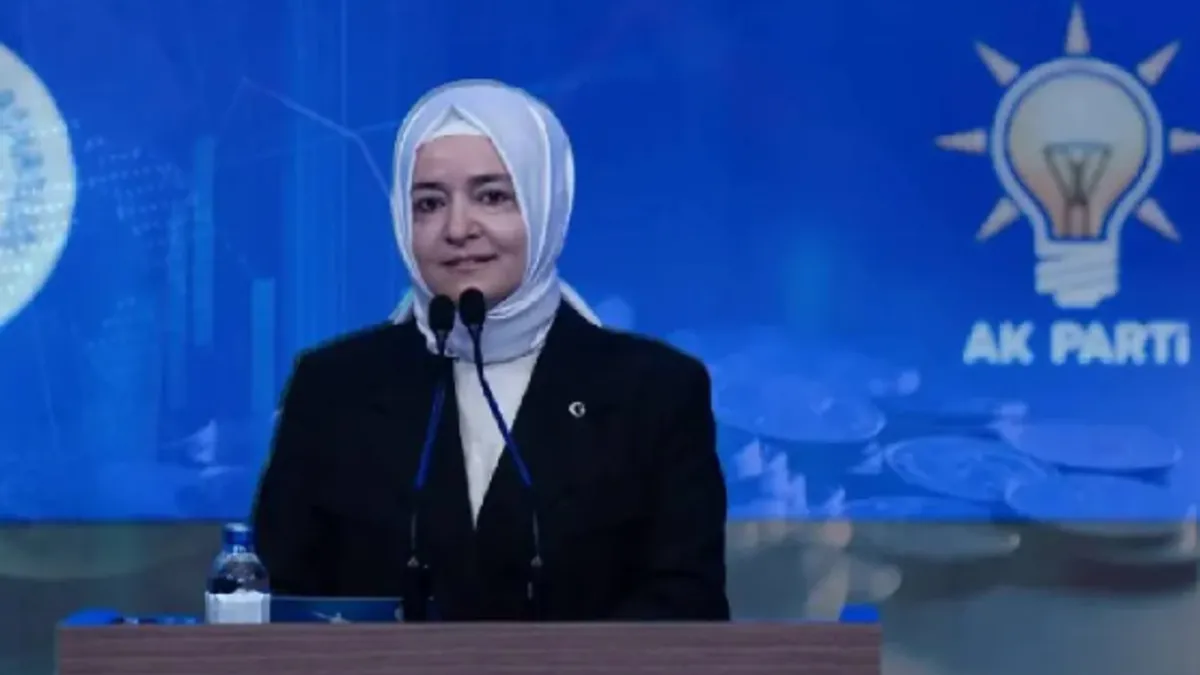
AK Party Expels Former Minister Fatma Betül Sayan Kaya Over Fund Probe
Party General Secretary Eyyüp Kadir İnan confirmed the expulsion following a financial investigation and President Erdoğan's directive.
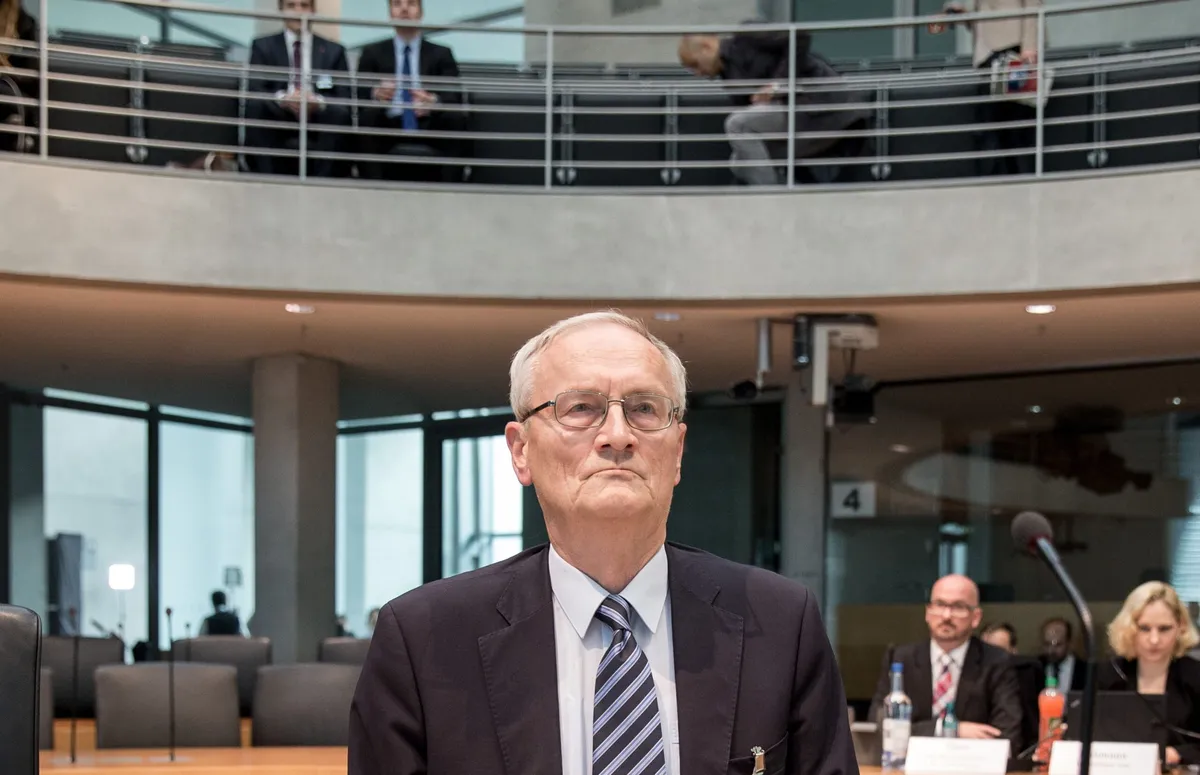
Former BND Chief Hanning Arrested Over Alleged Leak of 2,000 Classified Files
German prosecutors accuse ex-spy chief August Hanning of espionage and treason after he allegedly received thousands of secret documents from a longtime aide for private consulting work.
India Rejects Musk's Bias Claims as Starlink Awaits Security Clearance
Elon Musk accuses Indian oligarchs of blocking Starlink; the government says all three licensed operators face identical security checks before spectrum allocation.
- Labour holds Holborn seat as Green leader Polanski falls short
- Veja reports Vorcaro paid Lula Institute; PGR, PF deny testimony
- Trump-Putin diesel deal sparks Ukraine rift before US midterms
- Irish EU Presidency Proposes 8% Budget Cut, Protects Farm Funds
- EU Trade Chief in Beijing for Talks as China Rejects Hybrid Car Curbs
This page was compiled with AI assistance from the outlets named above and passed an automated language check before publication. Montegre has no reporters of its own; the byline names the outlets the story was compiled from. Method and editorial standards