Kenya confirms first Ebola death after traveler returns from Congo
A Kenyan man who fell ill in DR Congo died in Nairobi on October 6, triggering urgent contact tracing across three countries.
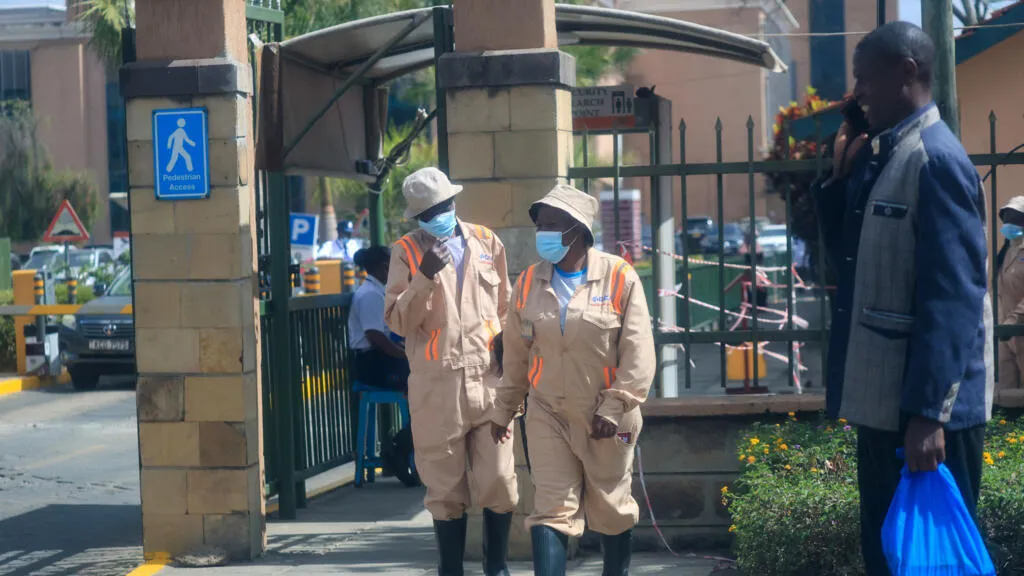
KEY POINTS
- Kenya confirms first Ebola case and death: a Kenyan man who traveled from DR Congo via Uganda
- Patient fell ill in DRC a month prior, passed screenings in Uganda and Kenya before dying in Nairobi Hospital
- 28 contacts identified: 10 family members quarantined, 21 health workers monitored, flight passengers traced
- Case involves Bundibugyo Ebola strain; DRC outbreak has 8,728 cases and 4,205 deaths since May
- Experts warn porous borders and high transmission in DRC make further regional spread likely
Kenya recorded its first-ever Ebola case and death on October 6 when a Kenyan citizen who had lived in the Democratic Republic of Congo for seven years died at Nairobi Hospital. The man fell ill about a month earlier in DRC, sought treatment at multiple facilities, then traveled by road to Uganda and flew to Nairobi via Entebbe on October 3, passing health screenings in both countries without detection.
Health Minister Aden Duale confirmed the patient tested positive for the Bundibugyo strain of Ebola, a rarer variant with no approved vaccine. The victim arrived at the hospital with fever, chills, severe fatigue, muscle pain, and bleeding beneath the skin, and died days later. He was buried on October 7 following safety protocols.
“Africa is an open field divided into countries by poorly manned porous borders. The Kenya case is a warning of more cases in the future.”
Authorities have identified 28 close contacts, including family members and 21 health workers who treated the patient at Nairobi Hospital. Ten relatives have been placed under quarantine, while officials are also tracing roughly 23 passengers and four crew members from the Entebbe-Nairobi flight. The Africa CDC and WHO are supporting the investigation.
The DRC outbreak, declared in mid-May, has recorded over 8,700 confirmed cases and 4,200 deaths across seven provinces, making it the largest in the country's history. Kenya is the fourth nation to confirm a case in this outbreak, following Uganda's 20 cases and one travel-related case in France. Uganda declared its outbreak over in late August.
Former WHO regional virologist Oyewale Tomori warned that porous borders and intense transmission in eastern DRC make further cross-border spread likely. Kenya had screened hundreds of thousands of travelers and trained nearly 5,000 health workers in preparation, but the case slipped through. Dr. Dennis Miskellah of Kenya's doctors' union said the case did not surprise most health workers.
WHO Representative Dr. Neema Rusibamayila Kimambo said the coming days are decisive in preventing community spread. The government has placed border points on high alert and heightened surveillance at airports. Health officials are also investigating whether the patient took medication that masked his symptoms during transit.
5 more sources below
COMMENTS (0)
No comments yet. Be the first.
RELATED STORIES
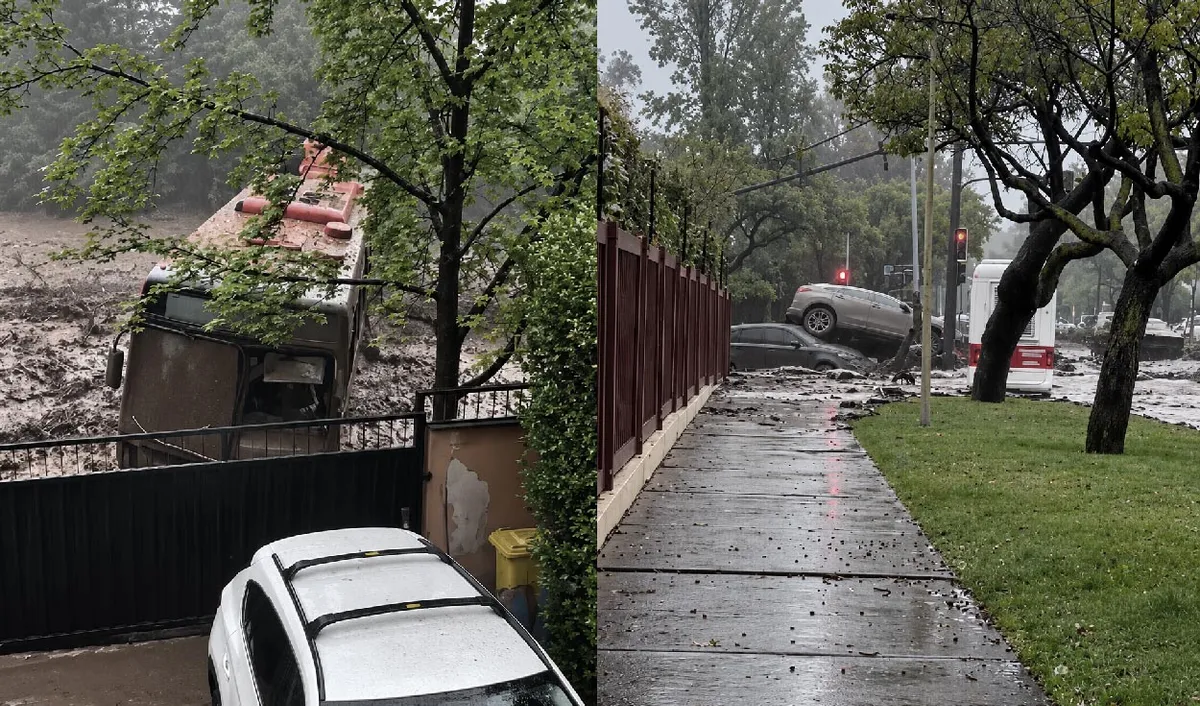
Deadly mudslide hits Santiago's Las Condes after heavy rain
At least six injured as torrential floods sweep vehicles and inundate clinics and universities in eastern Santiago.

Magnitude 7.6 Quake Hits Panama, Triggers Pacific Tsunami Alert for Nine Nations
USGS downgrades initial 8.0 estimate; shallow epicenter near La Pitaloza prompts evacuations but no confirmed casualties yet.
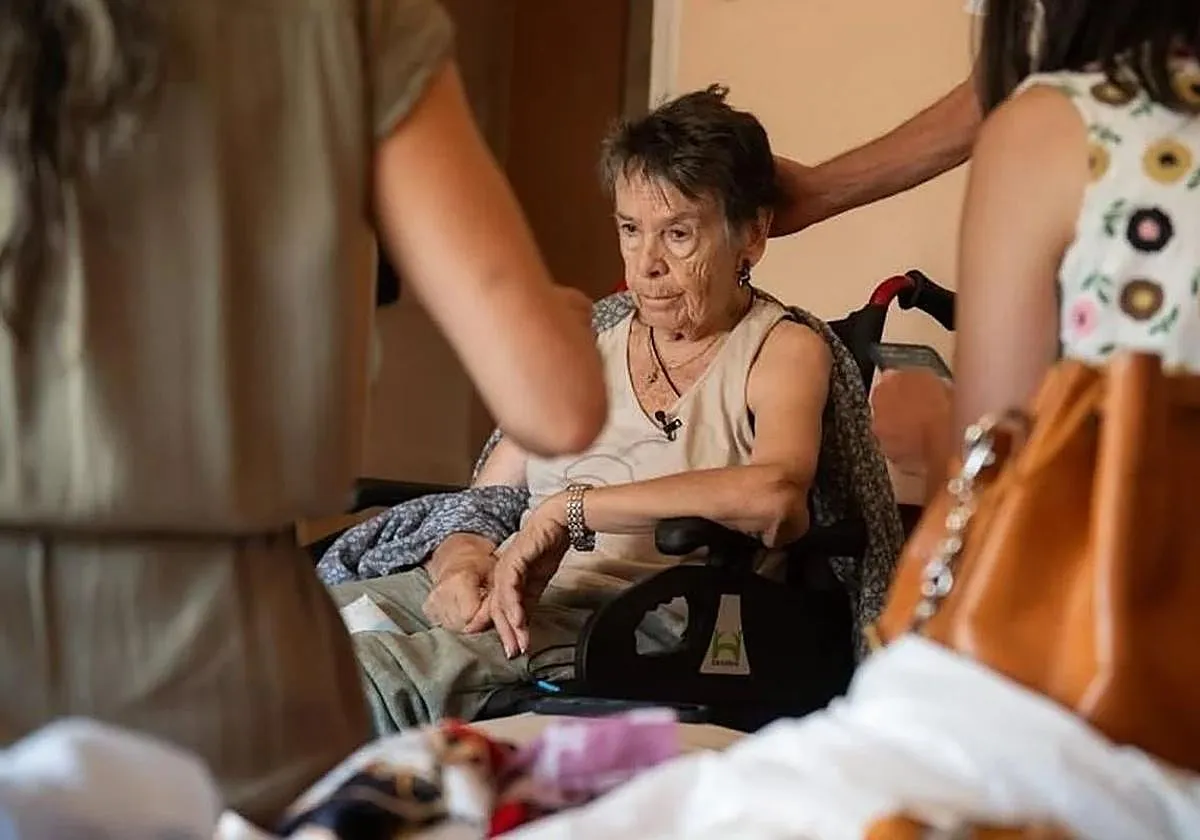
Evicted 87-year-old Maricarmen dies, sparking political clash in Madrid
The death of Maricarmen Abascal two weeks after her forced eviction ignites a row over housing policy and institutional tributes.
- Afyon Deputy Governor İhsan Ayrancı Dies by Suicide
- 2026 El Niño Set to Peak in December as Strongest Since 1950
- Hurricane Isaias Threatens US Gulf Coast as Season's First Hurricane
- Veteran Actor Nana Patekar Dies at 75 After Cardiac Arrest in Goa
- Student dies, seven wounded in Istanbul middle school knife attack
This page was compiled with AI assistance from the outlets named above and passed an automated language check before publication. Montegre has no reporters of its own; the byline names the outlets the story was compiled from. Method and editorial standards